Reviewed · GUIDED
Delft and Nainativu Island Tour with Local Guide ( Jaffna )
The islands reward early risers. This 8.5-hour trip from Jaffna combines Delft’s wild horses and colonial ruins with Nainativu’s powerful Hindu and multi-faith traditions. I like the local seafood lunch served in a village home, and I like having a guide who can explain Tamil culture, island ecology, and the area’s complicated past. The main catch is the boat travel: ferries can be crowded, hot, and rough on open water.
You should also keep your day flexible. Bad weather or a late Delft ferry can mean skipping Nainativu and visiting an ancient Kannaki temple on Punguditivu instead. That change may disappoint anyone set on seeing Nagapooshani Amman Kovil, but it is a sensible backup for a remote island day.
In This Review
- Key points to know before you go
- Why this island day is worth your time
- Leaving Jaffna before the heat builds
- The first ferry and the reality of island travel
- Delft Island: coral walls, wind, and colonial traces
- Looking for Delft’s wild horses
- Lunch with a Delft family
- The second ferry and the narrow timing window
- Nainativu’s temples and multi-faith meaning
- The guide can make or break the experience
- Who should book this Jaffna excursion?
- Should you book the Delft and Nainativu tour?
- FAQ
- How long does the Delft and Nainativu tour last?
- Is hotel pickup and drop-off included?
- How do I reach Delft Island?
- What transport is used on Delft Island?
- Is lunch included?
- Can I see wild horses on Delft Island?
- Will the tour always visit Nainativu Island?
- Which languages does the guide speak?
- Is the tour suitable for wheelchair users or people with mobility issues?
Key points to know before you go
- Wild horses on Delft: Horses roam freely across the island’s open plains, and finding them can take patience.
- Coral-built ruins: Delft’s old walls and colonial remains give the island a look unlike mainland Jaffna.
- Local family lunch: Fresh seafood and traditional refreshments are served in a village setting rather than a standard restaurant.
- Two very different islands: Delft feels open, dry, and historical, while Nainativu is compact, sacred, and focused on pilgrimage.
- Ferry timing matters: The Nainativu visit depends on weather and the final ferry connection.
- Early pickup: Your driver arrives around 6:30 AM, so this is a serious day out, not a lazy island excursion.
Why this island day is worth your time
Delft and Nainativu offer two sides of northern Sri Lanka that are easy to miss if you stay around Jaffna town. Delft gives you broad sea views, windblown scrub, coral walls, old colonial remains, and free-roaming horses. Nainativu brings you into a place of worship where Hindu tradition, older Naga connections, and Sri Lanka’s wider religious story meet.
I especially like the way the day links nature and culture. You are not simply taken to a viewpoint, given a quick explanation, and sent back. The guide can point out plants, birds, ruins, local customs, and the meaning of the temples. That turns a long ferry trip into a lesson in how people have lived with these islands over time.
The $118 price is fair if you value private organization and local guidance. It covers hotel pickup and drop-off, transport to the jetty, boat or ferry rides, transport around Delft and Nainativu, a seafood meal, drinks, and guiding. You are also paying for the coordination needed to connect several ferries and vehicles in one day.
Still, value depends on your travel style. If you dislike public boats, long crossings, heat, or basic island roads, the price will not remove those inconveniences. This is an authentic northern Sri Lankan outing, not a polished resort transfer.
A few more tours worth weighing up
- Kandy Private Guided City Tour by Tuk Tuk
★ 4.9 · 1,307 reviews - Udawalawe National Park: Elephant Safari with Expert Guide
★ 4.9 · 641 reviews - Colombo: Private Tuk-Tuk City Tour with Guide & All Tickets
★ 4.9 · 471 reviews
Leaving Jaffna before the heat builds
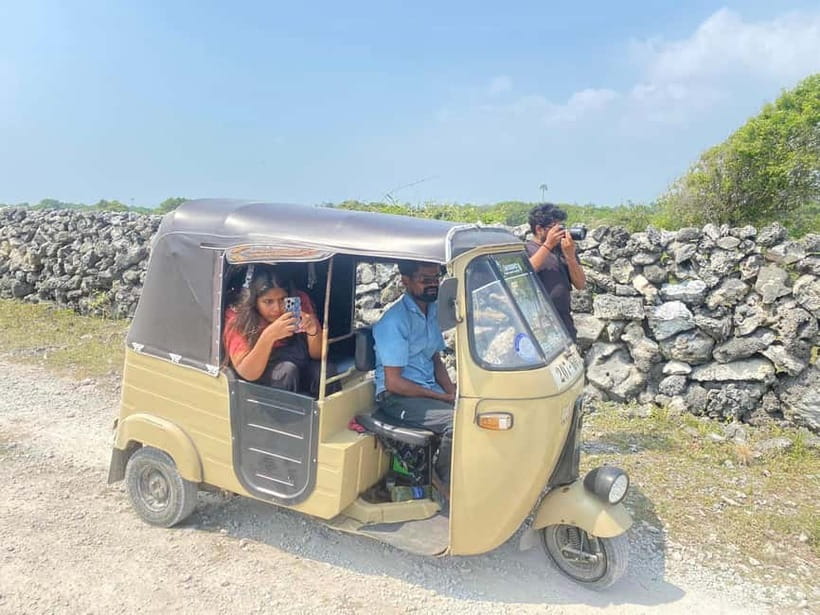
Pickup is scheduled for about 6:30 AM, with a request to be ready at least 10 minutes early. That early start is useful. It gives you the best chance of keeping the ferry connections and gets you onto the islands before the sun feels strongest.
Transport from Jaffna to the jetty may be by car, van, tuk-tuk, or motorcycle, depending on the number of people. Hotel pickup and return are included, which saves you the trouble of arranging separate transport at both ends of the day.
Your guide should contact you ahead of time with the pickup details. If you are staying at a hotel, wait in the lobby. If your meeting point is elsewhere, be exact about where you will stand. In a city where a small delay can affect a ferry connection, this simple step matters.
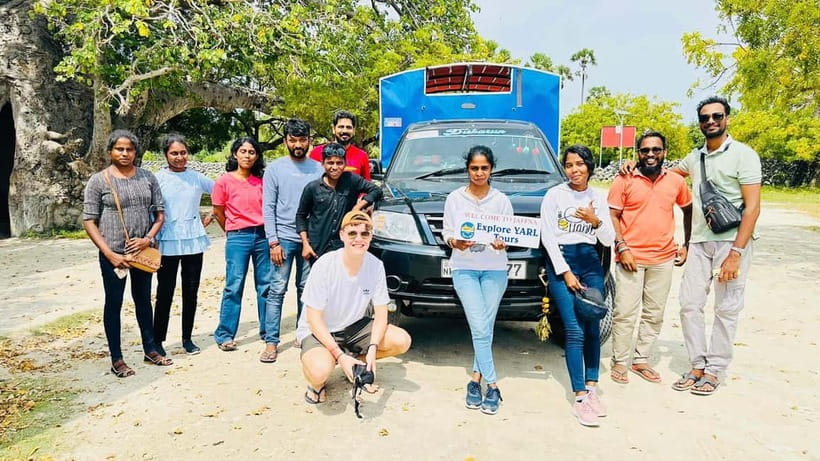
The ride toward the port is part of the orientation. You get scenic views and a sense of the coastal setting before the island crossings begin. Guides such as Arun have been praised for clear English, careful timing, and useful advice about the rest of a Jaffna visit. Gina has also been singled out for handling questions about religion, geography, and history with warmth and care.
The first ferry and the reality of island travel
The first crossing takes about 45 minutes. Depending on the day, the boat may be private or public, and a public ferry can be busy. That is not a flaw hidden by the tour. It is part of the local transport system.
Prepare for a basic ride. One account describes the first 15 minutes as hot and crowded inside the boat, followed by time on deck in direct sun and fresh air. If you feel uncomfortable in tight spaces, this is important to consider. If the sea is rough, the open-water crossing may feel challenging.
Wear light clothing, carry water, and bring a hat. Sunscreen is essential, especially if you spend part of the ride outdoors. Keep your camera protected from spray and handle it carefully when moving between the cabin and deck.
The boat ride has real value, too. It takes you away from the mainland at a pace that lets the sea, islands, and birdlife become part of the day. You may see marine life or coastal birds, though sightings are not guaranteed.
Delft Island: coral walls, wind, and colonial traces
Delft is the main event for many people. The island feels open and exposed, with little to block the wind or sun. Its dry plains and low vegetation create a stark setting for the old remains scattered across the island.
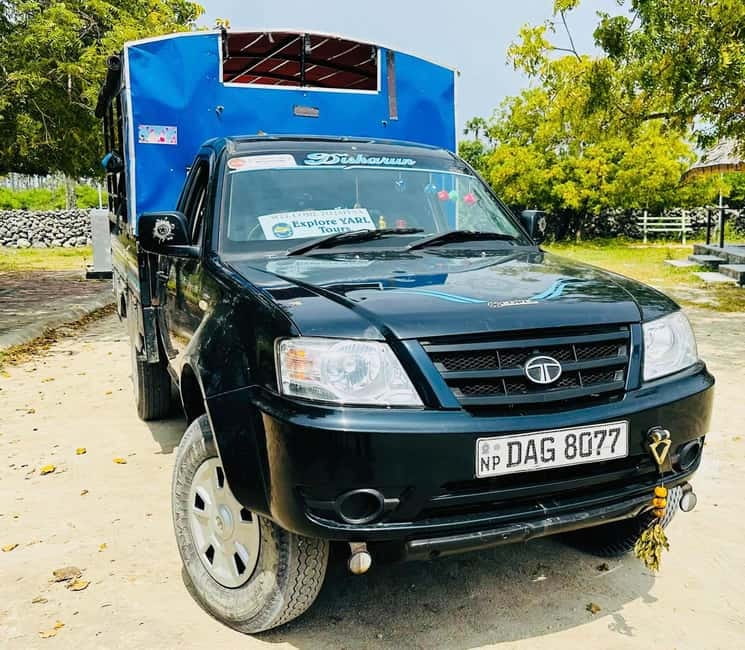
Private island transport is provided by safari jeep or tuk-tuk. This matters because walking between all the sites would make an already long day much harder. The vehicle also allows your guide to cover several parts of the island within the available time.
The ruins reflect different chapters of Delft’s past, including the period of Dutch rule. You may see the colonial pigeon tower and the so-called queen tower, along with old coral walls built centuries ago. These walls are among the island’s most unusual sights. Their pale, rough surfaces show how local coral was used as a practical building material.
Do not expect grand, restored monuments. Delft’s appeal lies in its weathered remains and quiet setting. You are seeing fragments rather than a neatly presented historical complex. That makes a good guide important. Without context, a low wall or tower can look like an isolated pile of old stone. With an explanation, the remains become part of the island’s long human story.
The guide can also explain how Delft’s position shaped its use over time. The experience is strongest when you slow down and look closely rather than rush from one photo stop to the next.
A completely different kind of day out from Sri Lanka:
- Colombo: Private Tuk-Tuk City Tour with All Entry Fees
★ 4.9 · 2,154 reviews - Udawalawe National Park | Private Safari Tour
★ 5.0 · 1,499 reviews - Whales and Dolphins Watching-Luxury Super Grade Cruiser(Hotel Pick up offered)
★ 5.0 · 1,268 reviews - Mirissa: Unforgettable Snorkeling Experience with Turtles
★ 4.9 · 1,064 reviews
Looking for Delft’s wild horses
Delft’s wild horses are its most memorable natural feature. They are believed to descend from horses left behind during the colonial period, and they now move freely across the island’s open ground.
Seeing them is not guaranteed. They are not presented in a fenced enclosure or brought to a viewing point. You may need to search, and your guide may spend extra time looking for a sighting. That uncertainty is part of the charm, though it can test your patience if you have a strict photography plan.
One visitor described spending time with the guide until a horse was found. That is a useful expectation to set: enjoy the search, not just the final image. Bring a camera with a zoom if you have one, but do not count on a close encounter.
The horses also help you read Delft differently. The island is not only a place of ruins. It is a living environment where animals move across the same open spaces that once carried people, goods, and colonial activity.
Birdlife is another reason to keep your eyes open. The tour includes wildlife viewing, and the island’s open coastal setting can be rewarding for anyone interested in birds and natural light. The guide may identify plants and birds along the route, adding detail to what might otherwise seem like empty scrub.
Lunch with a Delft family
Lunch is served with a local family in a village setting. Expect traditional seafood and local refreshments rather than a formal dining room. This is one of the strongest parts of the experience because it gives you time to sit, eat, and meet people away from the main sights.
The food has received especially high praise, with fresh seafood, tea or coffee, and traditional snacks included. Aloevera juice has also been served on some trips. Exact dishes can vary, so it is best to treat the meal as a local experience rather than expect a fixed restaurant menu.
The setting is as valuable as the food. A family meal gives you a brief look at daily island life and creates a natural chance to speak with local people. Your driver or guide may also be part of the family connection, which helps explain why the meal feels relaxed rather than staged.
If you have dietary restrictions, ask before departure. The supplied details confirm seafood, but they do not promise vegetarian, vegan, or allergy-specific menus.
The second ferry and the narrow timing window
After Delft, you return by boat to the jetty. The crossing is listed at about 45 minutes, followed by a shorter ferry ride of roughly 15 minutes toward Nainativu.
This is where the schedule becomes less predictable. Ferry services can be affected by wind and rain, and a late Delft ferry may leave too little time to catch the last boat from Nainativu. If that happens, the guide may replace Nainativu with a visit to an ancient Kannaki Goddess Temple on Punguditivu Island.
You should see this as a practical safety and timing decision, not a failure of the day. Still, if Nagapooshani Amman Kovil is your main reason for booking, ask about current ferry conditions before you pay. The Nainativu stop is described as a quick visit and depends on transport availability.
The connections also explain why this excursion can last longer than the advertised 8.5 hours. One account describes a 12-hour day. Ferry queues, weather, and loading times can all stretch the schedule. Avoid booking an evening activity in Jaffna that requires a precise arrival time.
Nainativu’s temples and multi-faith meaning
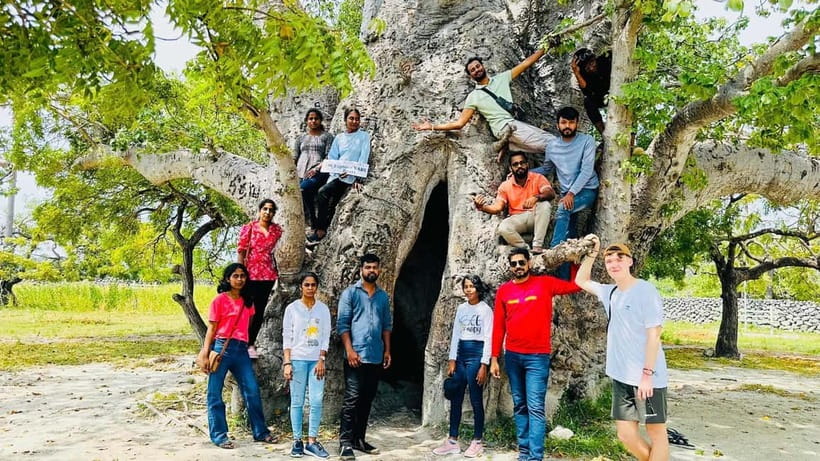
Nainativu is a sharp contrast to Delft. Instead of wide, empty plains and scattered ruins, you find a compact island with a strong religious focus.
The central visit is Nagapooshani Amman Kovil, associated with the snake goddess and historically linked with the Naga people, described as ancestors of Sri Lanka. The temple is an important pilgrimage site and offers a way to understand Tamil Hindu faith in its island setting.
The tour also presents Nainativu as part of Sri Lanka’s multi-faith heritage. Your guide can explain how religion, local identity, and older island traditions connect. This is not simply a stop for architectural photos. Dress and behave respectfully, follow local instructions, and remember that worshippers may be present.
The stop is short, so do not expect a long temple study. Its value comes from seeing the site in person and hearing the guide place it within the wider story of Jaffna and the northern islands. Tuk-tuk transport is included on Nainativu, helping you make the most of the limited time.
If weather prevents the visit, the Punguditivu Kannaki temple offers a different but related religious experience. Kannaki worship has an important place in Tamil tradition, and the substitute keeps the cultural focus of the day intact.
The guide can make or break the experience
This tour depends heavily on the guide. You are moving between boats, vehicles, ruins, wildlife areas, a family meal, and a temple. A guide who only handles transport would leave much of the value on the table.
Arun has been praised for excellent English, thoughtful explanations, patience, and advice for continuing a Sri Lankan trip. He has also adapted plans with extra stops, such as coconuts or Jaffna Fort, when time allowed. Gina has been described as organized, enthusiastic, and able to answer questions about history, religion, and geography.
Those details give you a practical standard to expect: clear communication before pickup, help with ferry connections, explanations that go beyond dates, and attention to your comfort. Solo women may also appreciate having a local guide who helps with transport and cultural decisions throughout a long day.
The tour offers English and Tamil guiding. If you want detailed interpretation, tell the provider what interests you most. You may prefer colonial history, birds, Tamil culture, temples, or present-day island life, and the best conversations are likely to follow your questions.
Who should book this Jaffna excursion?
I would recommend it to you if you want a day away from the usual Sri Lankan route and are comfortable with simple transport. It suits photographers, history fans, birdwatchers, culture-focused visitors, and anyone who wants to see a quieter side of northern Sri Lanka.
It is also a good choice for solo visitors who prefer local support. Hotel pickup, island vehicles, ferry coordination, and an English-speaking guide remove much of the difficulty of arranging the islands independently.
You should think twice if you have limited mobility, are pregnant, use a wheelchair, or find long walks and uneven island surfaces difficult. The activity is not suitable for pregnant women, people with mobility impairments, or wheelchair users.
You also need stamina. The day starts early, includes several boat rides, sun exposure, walking, and a long return journey. Comfortable shoes, water, a hat, sunscreen, and a camera are the right basic kit. Smoking is not allowed during the activity.
Free cancellation up to 24 hours before departure and reserve-now, pay-later terms make planning easier. Those policies are useful, but they do not change the need to check the weather and leave your evening open.
Should you book the Delft and Nainativu tour?
Book this tour if you want access to Delft without handling the complicated transport yourself, and if the thought of wild horses, coral ruins, local seafood, and a Hindu pilgrimage island sounds better than another standard sightseeing day.
The $118 fee offers good value because it combines transport, guiding, meals, drinks, and both island visits. The strongest parts are the local family lunch, the guide’s explanations, and Delft’s unusual mix of horses and colonial remains.
Skip it if you need a smooth, cool, tightly timed excursion. Ferries may be crowded or rough, Nainativu may be dropped because of weather, and the day can run well beyond eight and a half hours. For the right person, though, those rough edges are exactly what make northern Sri Lanka feel real.
FAQ
How long does the Delft and Nainativu tour last?
The scheduled duration is 8.5 hours, with pickup in Jaffna at about 6:30 AM. Ferry delays and weather can extend the day, and it has taken around 12 hours on some occasions.
Is hotel pickup and drop-off included?
Yes. Pickup and return transport in Jaffna are included. You will receive the exact meeting details in advance and should wait in your hotel lobby or agreed meeting point.
How do I reach Delft Island?
Transport from Jaffna to the jetty is included, followed by a boat or ferry crossing of about 45 minutes. The ferry may be private or public and can be busy.
What transport is used on Delft Island?
The tour provides private transport on Delft by safari jeep or tuk-tuk.
Is lunch included?
Yes. A traditional seafood lunch is served in a local village setting, along with tea or coffee and traditional refreshments. Personal expenses are not included.
Can I see wild horses on Delft Island?
The tour includes an opportunity to look for wild horses roaming freely in their natural surroundings. Sightings are not guaranteed because the horses are not kept in an enclosure.
Will the tour always visit Nainativu Island?
Not always. If bad weather delays the Delft ferry and there is not enough time for the last Nainativu ferry, the guide may replace the stop with an ancient Kannaki Goddess Temple on Punguditivu Island.
Which languages does the guide speak?
Guiding is available in English and Tamil.
Is the tour suitable for wheelchair users or people with mobility issues?
No. The activity is not suitable for wheelchair users, people with mobility impairments, or pregnant women.
Just added around Sri Lanka
- High-Grown Tea & Waterfall Wonders of Nuwara Eliya by tuktuk★ 5.0 · 3 reviews
- Nuwara Eliya: Tea Factory and Victoria Park Tour by Tuk Tuk★ 3.4 · 3 reviews
- Evening Tour at the Last Kingdom of Sri Lanka, Kandy★ 5.0 · 3 reviews
- Mirissa/Galle/Hikkaduwa: Transfer to Ella & Udawalawa Safari★ 5.0 · 3 reviews
- Tour to Dambulla Cave, Sigiriya and Pidurangala Rock from Kandy★ 5.0 · 3 reviews
- Day Tour Kandy to Sigiriya with Dambulla Cave Temple Excursion★ 5.0 · 3 reviews
- Private Day tour from Kandy to Sigiriya, Dambulla & Pidurangala★ 5.0 · 3 reviews
- Minneriya: Minneriya National Park Private Jeep Safari★ 4.4 · 3 reviews
Guided, compared.

Udawalawe National Park: Elephant Safari with Expert Guide
Read our review →
Private Tuk-Tuk City Tour with Guide & All Tickets
Read our review →
Kandy to Ambuluwawa & Kandy City Guided Tuk Tuk Day Tour
Read our review →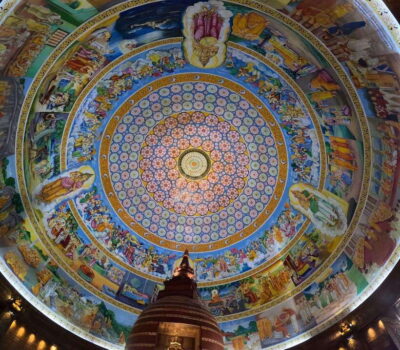
Negombo city tour by Tuk Tuk Hotel Pickup & Guide
Read our review →