
Reviewed · HISTORICAL TOURS
Explore & Ride the history of anuradhapura with Vogel Tours
Ancient stones tell lively stories here. Vogel Tours gives you a private way to see Anuradhapura’s major Buddhist sites in a few hours, with guide Ajee Vogel explaining the city’s architecture, religious traditions, and long past. The route covers sacred trees, giant stupas, monastery ruins, bathing ponds, carved stones, and a museum.
I especially like the private format, which lets you ask questions instead of following a fixed crowd. I also like the small practical touches, including local snacks and coffee or tea. The main consideration is cost: the tour is advertised at $40 per group of up to three, but the UNESCO-area entrance fee is an additional $30 per person.
Ajee Vogel receives strong praise for his clear English, friendly manner, and ability to explain Buddhism and Anuradhapura’s past. One point needs checking before you book: the tour information says groups can reach 10 people, while private transportation is supplied for up to three, so larger groups should confirm the vehicle arrangements.
In This Review
- Key points to know before you book
- Why a private tour helps in Anuradhapura
- Jaya Sri Maha Bodhi, the tour’s spiritual starting point
- Lovamahapaya and the space between sacred monuments
- Ruwanwelisaya, one of Anuradhapura’s great stupas
- Kuttam Pokuna and the engineering of ancient bathing pools
- Samadhi Statue and the quiet focus of meditation
- Abhayagiri Dagaba and a wider Buddhist past
- The Abhayagiri refectory and ancient daily life
- Moonstone carvings and the language of the staircase
- Eth Pokuna, the Elephant Pond
- Rathna Prasadaya and a finely carved guardstone
- Jetavanaramaya and its museum collection
- Snacks, transport, and the real cost
- Who should choose Vogel Tours?
- Should you book this Anuradhapura tour?
- FAQ
- How much does the Vogel Tours experience cost?
- How long does the tour last?
- Is transportation included?
- Can a group of more than three people join?
- Are snacks included?
- Is the UNESCO entrance ticket included?
- Which major temples are visited?
- Are museum visits part of the tour?
- Do I need to remove my shoes?
- Can I cancel for a full refund?
Key points to know before you book
- Jaya Sri Maha Bodhi begins the religious story: Visit one of Anuradhapura’s most sacred living sites, a sacred fig tree in Mahamewuna Garden.
- The route covers 12 important stops: You will see major stupas, monastery remains, ancient bathing pools, carved guardstones, and a museum.
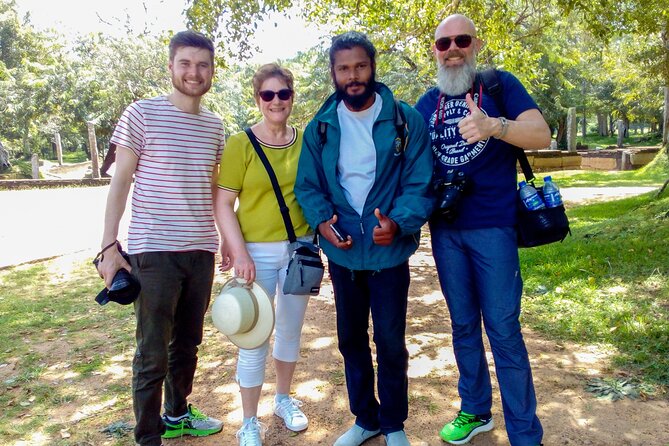
- Ajee Vogel is the guide to request: His strongest praise centers on his English, warmth, and ability to explain Buddhism and local history.
- The advertised price is per group: The $40 rate covers up to three people, but each person still pays the separate $30 UNESCO-area entrance charge.
- The schedule can be short or extended: The experience lasts about one to five hours, depending on the route, pace, and stops you choose.
- Bring footwear you can remove easily: Shoes must come off at sacred places, and respectful dress is important around temples.
Why a private tour helps in Anuradhapura
Anuradhapura is not a place you grasp from one famous monument. Its ancient city spreads across a large area, with sacred sites, monastic buildings, ponds, museums, and fragments of old architecture separated by roads and trees. If you explore alone, it can be hard to understand how the pieces fit together.
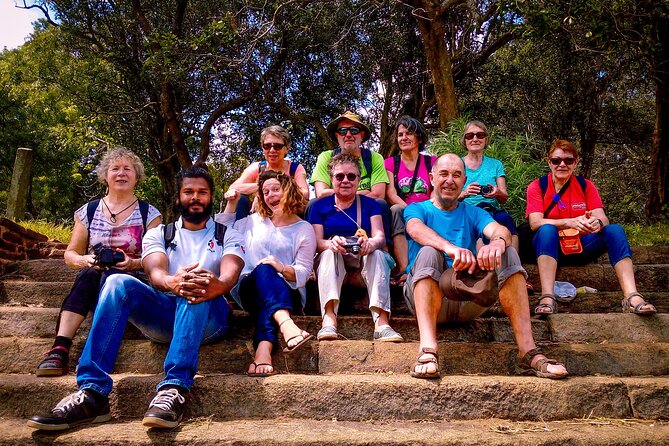
A private guide gives you a useful thread to follow. Instead of seeing a white stupa as simply a large religious monument, you can ask about its purpose, construction, relics, and place in Buddhist worship. You can also pause when a detail catches your eye, something that is harder to do with a large group.
The tour is especially useful if your time is limited. The listed stops add up to roughly three hours and 45 minutes before transport and walking time, though the advertised duration ranges from one to five hours. That means you should discuss your preferred length with Ajee Vogel before setting out.
The private setup also suits families, couples, and small groups who want a relaxed pace. The $40 group price can be good value for three people, but it is much less attractive for a solo visitor once the separate entrance fee is added.
More historical tours:
- Anuradhapura Heritage Mountain bike / bicycle Tour
★ 5.0 · 34 reviews - Visiting the Historical Polonnaruwa Ruins and Minneriya Safari
★ 5.0 · 16 reviews - Day tour to Sigiriya,Dambulla & Polannaruwa (3 word heritage places) from Kandy
★ 5.0 · 99 reviews
Jaya Sri Maha Bodhi, the tour’s spiritual starting point
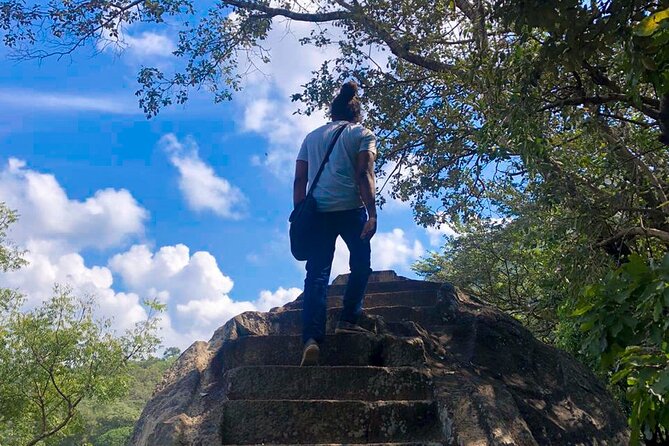
The first stop is Jaya Sri Maha Bodhi, a sacred bo tree in Mahamewuna Garden. It is identified as a Ficus religiosa, the type of tree closely linked with Buddhist tradition.
You get about 30 minutes here, enough time to take in the religious setting and hear why the tree matters. This is not simply a botanical stop. The value comes from understanding its role in Sri Lankan Buddhism and seeing how a living tree can carry centuries of devotion.
You should dress modestly and be ready to remove your shoes in sacred areas. Comfortable sandals or shoes with simple fastenings make the day easier, especially because footwear may need to come off more than once.
Lovamahapaya and the space between sacred monuments
Lovamahapaya lies between Ruwanweliseya and Sri Mahabodhiya. It is also called the Brazen Palace or Lohaprasadaya, and the site gives you a chance to consider the scale of ancient monastic life.
The planned stop is brief, about 15 minutes. That makes it more of a guided orientation point than a long visit. Ajee Vogel’s explanation matters here because the remains may not immediately tell you what the building once looked like.
Admission is not included at this stop. Since several sites on the route list separate admission arrangements, you should ask exactly which fees apply before the tour begins.
Ruwanwelisaya, one of Anuradhapura’s great stupas
Ruwanwelisaya, also known as Ruwanweli Maha Seya or Swarnamali Maha Seya, receives another 30-minute visit. It is a stupa, a rounded structure associated with Buddhist relics, and one of the city’s major religious landmarks.
This is a good place to slow down. The scale of a stupa can be difficult to appreciate in a quick photograph, while a guide can explain the religious meaning behind the form and the traditions connected with it.
The stop is listed with free admission, though you should still follow local temple rules. Keep your clothing respectful, avoid turning your back casually toward sacred objects for photographs, and remove your shoes where requested.
A few more tours worth weighing up
- Private City Day Tour in Anuradhapura
★ 5.0 · 383 reviews - Minneriya National Park Elephant Jeep Safari Private Tour
★ 5.0 · 68 reviews - Minneriya National Park | Private Safari
★ 5.0 · 59 reviews - Sigiriya Hike & Minneriya Safari Private Full Day Tour
★ 5.0 · 56 reviews
Kuttam Pokuna and the engineering of ancient bathing pools
The Twin Baths, or Kuttam Pokuna, offer a different view of Anuradhapura. These are well-preserved bathing tanks, and the planned visit lasts about 15 minutes.
After several religious monuments, this stop helps show the practical side of the ancient city. Water management and bathing facilities were important parts of monastic life, and the pools provide a clear example of careful construction rather than devotional art alone.
Admission is not included. The short timing means you will likely focus on the form and preservation of the pools rather than linger for a long study.
Samadhi Statue and the quiet focus of meditation
The Samadhi Buddha is a famous statue in Mahamevnawa Park. It depicts the Buddha in a seated meditation posture associated with his first enlightenment, and the statue is about 7 feet 3 inches high.
You have around 15 minutes here. That is enough to look closely at the posture and facial expression, then ask about the meaning of the image in Buddhist practice.
This is one of the stops where a guide can add real value. Without context, a seated Buddha may look familiar from other parts of Asia. With an explanation of posture and symbolism, you can better understand what makes this statue important in Anuradhapura.
Abhayagiri Dagaba and a wider Buddhist past
Abhayagiri Dagaba introduces one of the city’s major monastery complexes. Abhayagiri Vihara was associated with Theravada, Mahayana, and Vajrayana Buddhism, giving the site a broader religious story than a single shrine.
The planned visit is 15 minutes, so expect a focused look rather than a full exploration of the monastery grounds. This is a useful moment to ask Ajee Vogel about the different Buddhist traditions connected with the complex.
The site also shows why Anuradhapura is best understood as a city of institutions, not just isolated monuments. Monasteries needed living quarters, kitchens, bathing areas, refectories, libraries, and ceremonial spaces. Several later stops fill in those missing parts.
The Abhayagiri refectory and ancient daily life
The Main Refectory of Abhayagiri Monastery is a square building measuring about 42.7 meters on each side. It was an alms-giving place near Uttara Mula and went through four stages of construction.
The stop lasts only 10 minutes, but it is one of the most useful for imagining everyday monastic routines. Grand stupas attract attention, yet a refectory reveals how a large religious community was fed and organized.
Admission is not included. If you want more time at practical sites such as this, tell your guide. The route is private, so there is more room to adjust the emphasis than on a fixed group excursion.
Moonstone carvings and the language of the staircase
The Sandakada Pahana, or moonstone, is a carved semi-circular stone slab usually placed at the bottom of a staircase. It is a distinctive feature of ancient Sri Lankan architecture.
You get about 15 minutes to examine the carving. Look down rather than only ahead. The details are meant to be read as part of the entrance, and the stone gives Ajee Vogel a chance to explain how architecture, symbolism, and movement through a sacred space connect.
This is a small stop, but it can be one of the most rewarding if you enjoy details. It also proves why a guide helps: the meaning is in the carving, not in the size of the monument.
Eth Pokuna, the Elephant Pond
Eth Pokuna is a huge rectangular man-made pond near Lankaramaya. Its listed measurements are about 159 meters long, 52.7 meters wide, and 9.5 meters deep.
The visit lasts around 10 minutes. You may find the scale easier to understand from several angles, so use the stop to take in the full shape rather than rushing toward one viewpoint.
Like Kuttam Pokuna, Eth Pokuna adds practical depth to the tour. Anuradhapura’s ancient centers depended on organized water systems, and these ponds show the planning required to support large communities.
Rathna Prasadaya and a finely carved guardstone
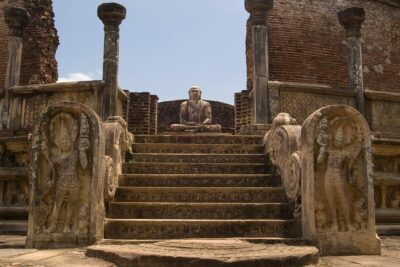
Rathna Prasadaya and its guardstone receive another 10-minute visit. The guardstone is described as one of Sri Lanka’s finest ancient examples.
This stop rewards close attention. Guardstones were placed near entrances, where their carved forms marked the transition into an important space. You will get more from the visit if you ask Ajee Vogel to point out the features that make this example special.
Admission is not included. As with other short stops, think of this as a concentrated explanation and photo opportunity rather than a long archaeological visit.
Jetavanaramaya and its museum collection
Jetavanaramaya is another major monastery complex, built by King Mahasena in the fourth century. The planned visit lasts 30 minutes, giving you more time than at several of the smaller remains.
The complex helps bring together the religious and institutional themes introduced earlier. You can compare it with Abhayagiri and consider how several major monastic centers shaped Anuradhapura.
The final stop is the Jetavanaramaya Museum, housed in a 1937 British colonial building. It contains treasures found at Jetavanarama and provides a useful change of pace after the open-air monuments.
The museum visit is also scheduled for 30 minutes and admission is free. If the heat or sun has begun to wear you down, an indoor collection can make a welcome ending.
Snacks, transport, and the real cost
The tour includes snacks and coffee or tea. That is a modest extra, but a useful one during a warm day among open ruins. Refreshments also give you a natural pause to ask questions or clarify the day’s route.
Private transportation is available for up to three people if requested. The advertised rate is $40 per group of up to three, not $40 per person. That makes the tour particularly appealing for a small party sharing the cost.
The important extra is the UNESCO-area entrance ticket, listed at $30 per person. For three people, the advertised tour fee and entrance charges together come to $130 before any other personal spending. Ask for confirmation of the current fee and which sites it covers, since individual stops also note that admission is not included.
Pickup is offered, and the experience is near public transportation. Confirmation is sent when you book, and most people can participate. The tour also requires good weather, with a different date or full refund offered if poor weather causes cancellation.
Who should choose Vogel Tours?
I would choose this experience if you want an efficient first look at Anuradhapura and prefer conversation over a large guided group. It suits anyone curious about Buddhism, temple design, ancient water systems, and the daily workings of monasteries.
It is also a good fit for a small family or group of friends. You can ask Ajee Vogel to spend more time at the sites that interest you, within the available schedule.
I would think twice if you want a slow archaeological study of every complex. Twelve stops in a few hours create a broad introduction, not a long research visit. You should also confirm the plan if your group has more than three people, because the guide capacity and private vehicle capacity are described differently.
The strongest reason to book is Ajee Vogel himself. His clear English, friendly approach, and ability to explain Buddhism are repeatedly praised, and those qualities matter greatly in a place where ruins alone cannot tell the whole story.
Should you book this Anuradhapura tour?
Book it if you have limited time, want the major sites organized for you, and value a guide who can explain both religious ideas and everyday ancient life. The $40 group price is reasonable for up to three people, though the $30-per-person entrance fee changes the final budget.
Before paying, confirm the pickup point, desired duration, group size, transport, and exact entrance charges. If those details suit your plans, Vogel Tours offers a friendly and focused way to get your bearings in Anuradhapura without spending the day guessing what each stone once meant.
FAQ
How much does the Vogel Tours experience cost?
The tour costs $40 per group of up to three people. The UNESCO-area entrance fee is separate and listed as $30 per person.
How long does the tour last?
The experience lasts approximately one to five hours. The listed route includes 12 stops, with planned visit times totaling about three hours and 45 minutes before transport and other timing.
Is transportation included?
Private transportation can be supplied for up to three people if requested. Pickup is offered.
Can a group of more than three people join?
The guide can accommodate a group of up to 10 people, but private transportation is specifically described as being available for up to three. Larger groups should confirm arrangements before booking.
Are snacks included?
Yes. Snacks, coffee, and or tea are included.
Is the UNESCO entrance ticket included?
No. Each person entering the UNESCO area must buy the separate government entrance ticket listed at $30.
Which major temples are visited?
The route includes Jaya Sri Maha Bodhi, Ruwanwelisaya, Abhayagiri Dagaba, and Jetavanaramaya.
Are museum visits part of the tour?
Yes. The route includes the Jetavanaramaya Museum, which is housed in a 1937 British colonial building. Admission is listed as free.
Do I need to remove my shoes?
Yes. You must remove your shoes when entering sacred places. Easy-to-remove footwear is practical.
Can I cancel for a full refund?
You can cancel at least 24 hours before the start time for a full refund. Changes or cancellations made less than 24 hours before the start time are not accepted for a refund. Poor weather may result in a different date or a full refund.
Just added around Anuradhapura
- Minneriya: Minneriya National Park Private Jeep Safari★ 4.4 · 3 reviews
- From Kandy: Anuradhapura Day Trip with Lunch★ 3.2 · 3 reviews
- From Dambulla: Minneriya National Park wild Jeep Safari★ 5.0 · 3 reviews
- From Colombo: Galle & Mirissa Private All Inclusive Day Tour★ 5.0 · 3 reviews
- Polonnaruwa Day Tour from Kandy (Private )★ 5.0 · 3 reviews
- Wild Elephant Safari in Minneriya National Park★ 3.5 · 3 reviews
- Minneriya National Park Safari | Jeep with Tickets★ 5.0 · 3 reviews
- Half Day – Minneriya National Park Safari Tour From Habarana/Sigiriya★ 3.5 · 3 reviews
Historical Tours, compared.
Day tour to Sigiriya,Dambulla & Polannaruwa (3 word heritage places) from Kandy
Read our review →
Explore Colombo Heritage and Cultural Temples Tour by Tuk Tuk
Read our review →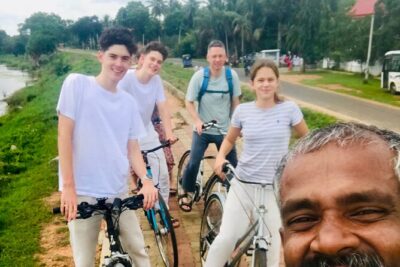
Anuradhapura Heritage Mountain bike / bicycle Tour
Read our review →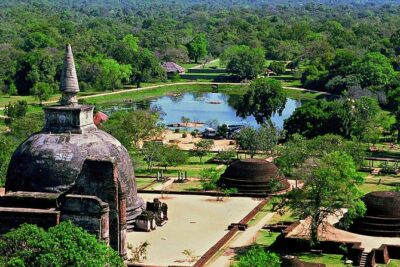
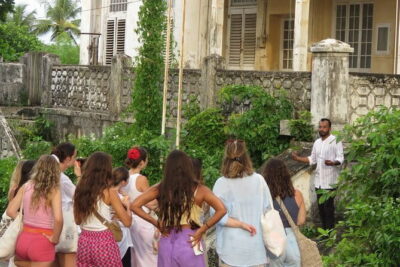
Galle Fort Heritage Walk by a Certified Heritage Interpreter
Read our review →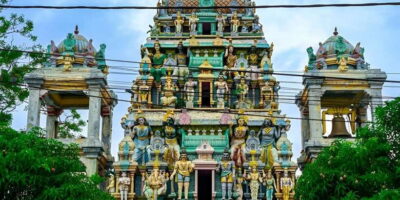
Browse the lists this tour appears in