Reviewed · FULL-DAY
Full Day Tour Delft and Nainativu Island Adventure from Jaffna
Island days reward early risers. This 10-hour private trip links Delft Island’s wild ponies and colonial ruins with Nainativu’s sacred Hindu and Buddhist temples, giving you a rare mix of nature, culture, and history beyond Jaffna town. I like the scenic ferry journey and the chance to see Delft’s unusual coral-built monuments. I also like that the trip is private, so your group is not tied to strangers or a fixed crowd. The main drawback is weather: rough seas can prevent the Delft crossing, and the day begins at 6:00 a.m.
This is not a quick island hop. You spend real time on Delft, including a beach stop, a planned seafood lunch, and visits to sites spread across the island. The long travel day makes the $130 price easier to understand, but you should be comfortable with an early start, boat travel, heat, and a schedule that depends on ferry conditions.
In This Review
- Key points to know before booking
- Leaving Jaffna at 6:00 a.m.
- Crossing to Delft Island, or adjusting when the sea turns rough
- Meeting Delft’s wild ponies
- Baobab, Banyan, and the Growing Stone
- Queen’s Tower and Delft’s coral-built past
- Delft Beach, a swim, and the midday meal
- Nainativu, where two faiths share one small island
- What the private format adds
- Is $130 a fair price?
- Who will enjoy this island day?
- Should you book the Delft and Nainativu tour?
- FAQ
- Where does the tour start?
- What time does the tour begin?
- How long does the experience last?
- Does the tour return to Jaffna?
- Is this a private tour?
- Can I visit both Delft Island and Nainativu Island?
- What happens if bad weather prevents the Delft crossing?
- Is swimming included in the itinerary?
- Can I cancel for a full refund?
Key points to know before booking
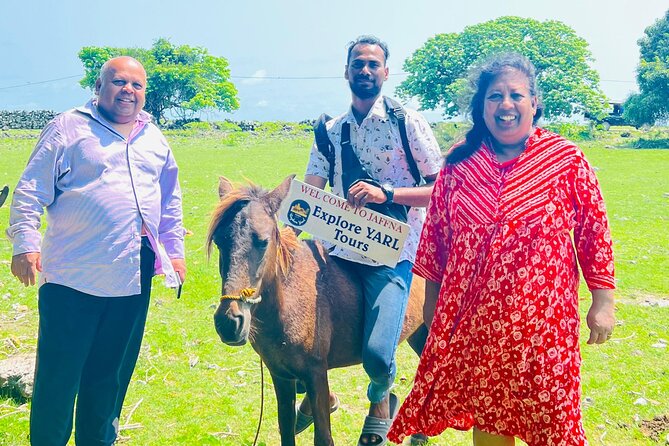
- Delft’s wild horses roam freely: The island’s ponies are descendants of horses brought by the Portuguese in the 16th century.
- A private 10-hour outing: Only your group participates, with pickup offered and transport adjusted to group size.
- Two major faith sites on Nainativu: Visit Nagapooshani Amman Temple and Nagadeepa Rajamaha Viharaya.
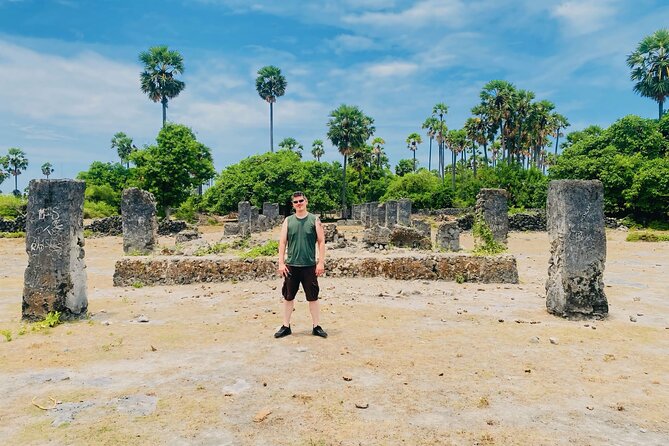
- Colonial ruins built from coral and limestone: The Old Dutch Hospital, courts, fort, Queen’s Tower, and Pigeon Nest reveal Delft’s unusual past.
- A beach and seafood break: Delft Beach offers calm, shallow water and time for a swim before returning to the jetty.
- Weather can change the plan: If poor conditions cancel the trip, you can take another date or receive a full refund.
Leaving Jaffna at 6:00 a.m.
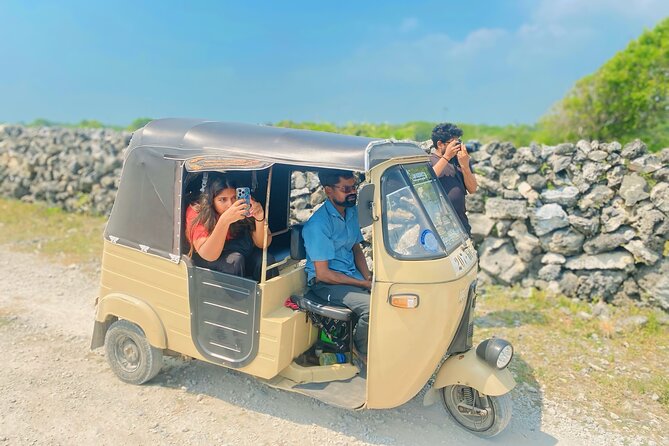
The meeting point is the Cargills Bank ATM in Jaffna, and the early departure matters. Delft and Nainativu are reached by boat, so you need enough daylight and ferry time to fit both islands into one day.
The first road section crosses the Pannai Causeway, a pleasant introduction to Jaffna’s island country. Look for calm lagoons, fishing boats, and birdlife as you leave the town behind. It is only a short stop, but it gives you a quick sense of how water shapes daily life in the north.
You pass the Kannakai Puram Welcome Curve on the way toward the ferry point. There is no major sightseeing stop here, so treat it as part of the road journey rather than a place that requires extra time.
The group then reaches Kurikadduwan Jetty, often shortened to KKD. This is the main departure point for ferries to Delft and Nainativu. Allow patience here. The jetty is a working transport point, not a polished tourist terminal, and ferry schedules and sea conditions shape the rest of your day.
A few more tours worth weighing up
- Yala National Park Safari Tours: Morning/Evening/Full Day
★ 4.8 · 818 reviews - Full day Safari – Yala National Park – 04.30 am to 06.00 pm with – Janaka safari
★ 5.0 · 603 reviews - Yala National Park: Half, 7-Hour, or Full-Day Safari & Meals
★ 4.8 · 489 reviews
Crossing to Delft Island, or adjusting when the sea turns rough
Delft Island, also called Neduntheevu, lies about 35 kilometres from Jaffna in the Palk Strait. The crossing is one of the tour’s central experiences, since the boat ride connects the mainland to a much more remote setting.
You should know that this is not a guaranteed crossing in every season or on every morning. One outing had to abandon Delft because the sea was too rough. The guide, Arun, created a replacement day with bird watching, temples, and cultural sites, which shows the value of having a private guide who can adapt when conditions change.
The weather policy is fair: if poor weather cancels the experience, you can choose a different date or receive a full refund. Still, do not book this tour if missing Delft would ruin your entire holiday. Keep some flexibility in your Jaffna plans.
Meeting Delft’s wild ponies

The Delft Wild Horse Sanctuary is one of the clearest reasons to make the trip. These are not animals in a formal enclosure. The ponies roam across the open island, often giving the visit a sense of chance and space.
Their story adds interest. Portuguese forces brought horses to the island in the 16th century, and later generations survived in the wild. You may find them grazing or moving across the dry plains, though wildlife never follows a script.
The planned stop lasts about 45 minutes, giving you time to look for the horses without rushing straight back to the vehicle. Do not expect a zoo-style encounter or a guaranteed close-up. The reward is seeing animals linked to the island’s past living in their own surroundings.
Baobab, Banyan, and the Growing Stone
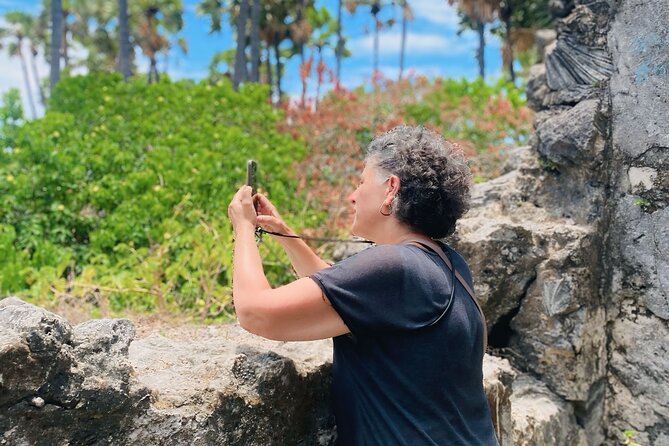
Delft’s natural sights are odd, memorable, and easy to appreciate even if you are not a serious history fan. The Perukamaram Baobab Tree is believed to be more than 400 years old. Arab traders are said to have introduced baobabs to the island centuries ago, and this enormous tree is now one of Delft’s best-known sights.
The visit lasts around 20 minutes. That is enough for photographs and a close look, but not an extended nature walk.
The Growing Stone takes about 10 minutes. It is a coral rock that local belief says slowly increases in size. You can regard it as a natural curiosity, a local story, or both. The tour gives you a chance to hear the belief without requiring you to accept it as scientific fact.
The Large Banyan Tree, locally called Aalamavanam, receives about 15 minutes. Its spreading branches create a small world of their own. Like the baobab, it shows how striking a single tree can be on a low-lying island with broad open spaces.
These stops are short, which helps the packed schedule. They also mean you will not have much time for wandering on your own. If you prefer a slow walk and long pauses, this day may feel tightly arranged.
A completely different kind of day out from Sri Lanka:
- Colombo: Private Tuk-Tuk City Tour with All Entry Fees
★ 4.9 · 2,154 reviews - Udawalawe National Park | Private Safari Tour
★ 5.0 · 1,499 reviews - Kandy Private Guided City Tour by Tuk Tuk
★ 4.9 · 1,307 reviews - Whales and Dolphins Watching-Luxury Super Grade Cruiser(Hotel Pick up offered)
★ 5.0 · 1,268 reviews
Queen’s Tower and Delft’s coral-built past
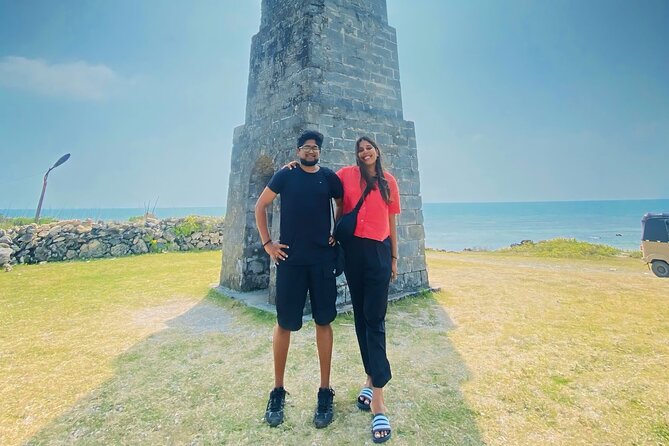
The Queen’s Tower, also known as Quindah Tower, sits on Delft’s southeastern coast. Built during the colonial era, it served as a beacon or lookout structure. The planned visit lasts about 30 minutes, making it one of the longer heritage stops on the island.
Delft’s old buildings are especially interesting because coral and limestone appear again and again in their construction. The material gives the ruins a distinctive connection to the island itself. You are not looking at grand restored monuments. You are seeing modest structures weathered by time and the sea.
The Pigeon Nest is a small Dutch colonial stone tower that once housed messenger pigeons. The stop takes about 10 minutes. Its purpose may sound simple, but it helps explain how messages moved before modern communications.
The Old Dutch Hospital receives only about five minutes. It was built as a small medical facility from coral stone and limestone. Much of its appeal comes from imagining the practical life once carried on inside a structure that now feels quiet and remote.
The Old Dutch Courts are similarly modest remains of colonial administration. Legal matters were handled here, again in a building made from local coral and limestone. You will not spend long at the site, but it adds another piece to the island’s civic past.
The Dutch Fort is also largely in ruins. Built to protect the island, it now works best as a brief historical stop rather than a complete fortress visit. If you expect restored walls, galleries, or a large museum, adjust your expectations. Delft offers fragments and atmosphere, not a polished colonial complex.
Delft Beach, a swim, and the midday meal
The Delft Beach stop lasts about an hour and combines swimming, food, and a pause from sightseeing. The water is described as shallow and calm, with a soft sandy bottom, making this one of the more relaxing parts of the day.
A swim here is optional, of course, but it gives the tour a useful change of pace after several short heritage stops. You may prefer to sit by the shore, cool off, or take photographs instead.
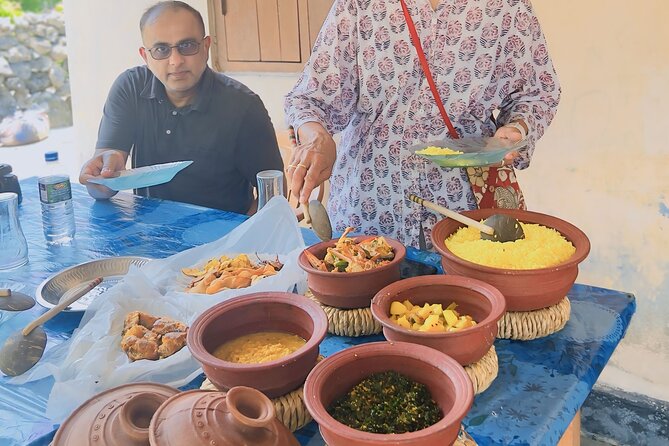
The plan also includes a traditional Delft-style seafood lunch. This is an important part of the experience because it connects the visit to island food rather than treating Delft as a collection of ruins. The supplied details do not specify the exact menu or whether dietary alternatives are available, so ask about meal arrangements before departure if you have food restrictions.
Do not expect a long restaurant lunch followed by a lazy afternoon. The beach stop is one hour, and the ferry schedule still controls the day. Bring a practical change of clothes if you plan to swim, and carry what you need for sun and heat. The tour details do not specify equipment or changing facilities, so it is sensible to keep your beach needs simple.
Nainativu, where two faiths share one small island
Nainativu, also called Nagadeepa, brings a very different mood. The island is spiritually important and contains both a major Hindu temple and an important Buddhist shrine.
At the Nagapooshani Amman Temple, you visit a site dedicated to Goddess Parvati, known here as Nagapooshani. The temple stop lasts about 20 minutes. It is a place for respectful observation, not a quick photo opportunity. Dress and behavior should suit a religious site, and you should follow any instructions given at the entrance.
The second stop is Nagadeepa Rajamaha Viharaya, one of Sri Lanka’s sixteen holiest Buddhist sites. Tradition holds that the Buddha visited the island. The 20-minute visit gives you time to see the shrine and understand why Nainativu has such importance within Sri Lankan Buddhist practice.
Having both temples in one island visit is one of the tour’s strongest features. You are not simply ticking off two buildings. You are seeing how different religious traditions shape the same small island and the wider Jaffna region.
The short timing at each temple keeps the full route possible, though visitors who want extended prayer, quiet reflection, or detailed architectural study may want more time than the schedule provides.
What the private format adds
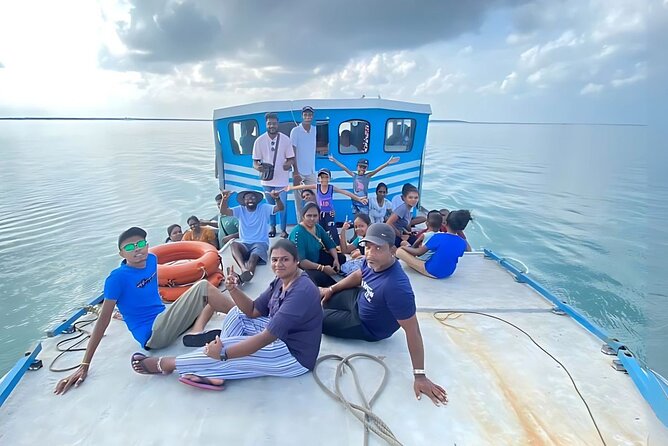
This is a private tour, so only your group participates. That matters on a long day with boats, several short stops, and a weather-sensitive route. You can ask questions as you go, and the guide can adjust the rhythm more easily than a large coach group.
Transportation is tailored to group size, and pickup is offered. The published meeting point is the Cargills Bank ATM in Jaffna, with the activity ending back there. Since the information does not state the exact vehicle type or hotel pickup area, confirm those details when booking.
Arun is the guide name associated with the experience. When the sea prevented the Delft crossing, he put together an alternative route featuring bird watching, temples, and cultural sites. That kind of flexibility is useful in northern Sri Lanka, where the boat is not a minor detail but the key link in the itinerary.
The tour has a 4.8 rating from 19 reviews and a 100 percent recommendation rate. Those figures suggest strong satisfaction, especially with the guide’s thoughtfulness and ability to make a changed plan worthwhile. The sample account specifically praises Arun as thoughtful and well informed. I would give that quality real weight, since a guide can make the difference between a string of ruins and a day that makes sense.
Is $130 a fair price?
At $130 per person, this is not the cheapest way to visit an island near Jaffna. It is also not a simple ferry ticket. The price covers a full 10-hour private outing, road transport, island transport, ferry travel, guiding, multiple heritage stops, beach time, and a planned seafood lunch.
The value improves for couples, families, or small groups who want a private arrangement. You are paying for coordination as much as sightseeing. The route would be difficult to reproduce smoothly if you had to arrange the early departure, ferry connections, Delft transport, food, and Nainativu visits yourself.
The value is weaker if you want a slow, independent day with long stops. Much of the schedule uses short visits of 5, 10, 15, or 20 minutes, because the tour is trying to cover two islands in one day. You are getting breadth, not long museum-style study.
The cost also buys some protection against a wasted weather day. It cannot guarantee the Delft crossing, but the guide may reshape the day if conditions make the original plan unsafe. That is more useful than a rigid program that simply collapses.
Who will enjoy this island day?
I would recommend it to you if you want to see more than Jaffna town and have only one full day available. It suits people interested in colonial remains, unusual trees, religious sites, local food, and open coastal scenery.
It is also a good match for anyone who prefers a guide rather than working out an unfamiliar island route alone. The private format helps families and small groups who want their own pace and direct explanations.
You may want to skip it if you dislike early mornings, ferry rides, heat, or changing plans. It is not ideal for someone who needs a guaranteed Delft visit, since sea conditions can stop the crossing.
The schedule also calls for reasonable mobility. The details say most people can participate, but they do not promise full accessibility information. Ask directly about walking surfaces, boarding arrangements, and vehicle access if those points matter to you.
Should you book the Delft and Nainativu tour?
Book it if the idea of wild ponies, coral ruins, a beach swim, seafood, and two sacred temples sounds better than spending another day in town. The tour packs a lot into 10 hours, and its greatest strength is the combination of places that feel genuinely different from one another.
I would book with two conditions in mind: accept that rough seas may change the route, and be ready to start at 6:00 a.m. If you can handle both, the private format, flexible guiding, and broad mix of sights make $130 a reasonable price for a rare northern Sri Lankan outing.
Free cancellation is available up to 24 hours before the start time. Changes or cancellations inside that window are not accepted, so keep your plans firm once the final day approaches.
FAQ
Where does the tour start?
The meeting point is the Cargills Bank ATM, M287+6G2, in Jaffna, Sri Lanka.
What time does the tour begin?
The tour starts at 6:00 a.m.
How long does the experience last?
The full experience lasts approximately 10 hours. The remaining time noted in the tour details is used for travel between stops.
Does the tour return to Jaffna?
Yes. The activity ends back at the original meeting point.
Is this a private tour?
Yes. Only your group participates in the activity.
Can I visit both Delft Island and Nainativu Island?
The planned route includes both Delft Island and Nainativu Island. Access to Delft can depend on sea and weather conditions.
What happens if bad weather prevents the Delft crossing?
If poor weather cancels the experience, you can choose another date or receive a full refund.
Is swimming included in the itinerary?
Yes. The Delft Beach stop includes time for a swim, along with a planned seafood lunch and the return to the jetty.
Can I cancel for a full refund?
Yes. You must cancel at least 24 hours before the experience start time to receive a full refund.
Just added around Sri Lanka
- High-Grown Tea & Waterfall Wonders of Nuwara Eliya by tuktuk★ 5.0 · 3 reviews
- Nuwara Eliya: Tea Factory and Victoria Park Tour by Tuk Tuk★ 3.4 · 3 reviews
- Evening Tour at the Last Kingdom of Sri Lanka, Kandy★ 5.0 · 3 reviews
- Mirissa/Galle/Hikkaduwa: Transfer to Ella & Udawalawa Safari★ 5.0 · 3 reviews
- Tour to Dambulla Cave, Sigiriya and Pidurangala Rock from Kandy★ 5.0 · 3 reviews
- Minneriya: Minneriya National Park Private Jeep Safari★ 4.4 · 3 reviews
- Day Tour Kandy to Sigiriya with Dambulla Cave Temple Excursion★ 5.0 · 3 reviews
- Private Day tour from Kandy to Sigiriya, Dambulla & Pidurangala★ 5.0 · 3 reviews
Full-Day, compared.

Yala National Park Safari Tours: Morning/Evening/Full Day
Read our review →
Full day Safari – Yala National Park – 04.30 am to 06.00 pm with – Janaka safari
Read our review →
Yala National Park: Half, 7-Hour, or Full-Day Safari & Meals
Read our review →
Full day / Half Day WildlifeAdventure in Yala-National-Park
Read our review →

Yala National Park Safari Tours : Half Day & Full Day
Read our review →