
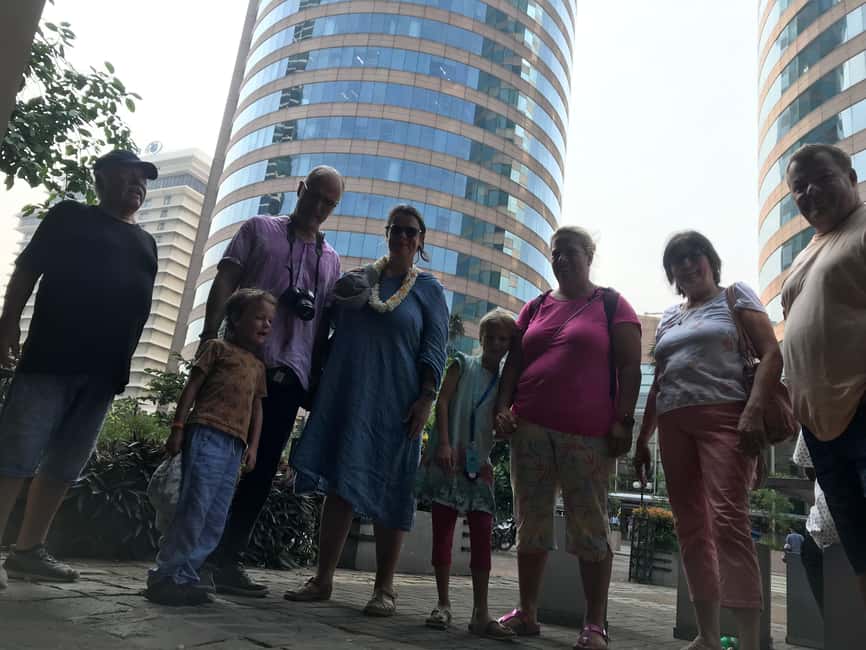
Reviewed · FOOD & DRINK
Hambantota city Tour with Local Food Tasting
Hambantota rewards curious eaters. I like the mix of Martello Tower and Fisheries Harbor, which gives you both coastal history and a close look at working Sri Lankan life. I also like the local food stops, from roadside fruit to a family catch-and-cook meal. The main drawback is that Hambantota itself has limited sightseeing, so the experience depends heavily on your guide and your interest in food, people, and wildlife.
This three to three-and-a-half-hour outing costs $29 per person, a fair price if you want transport, guiding, several city stops, and lunch or tastings in one short visit. Guide Pradeep earned especially warm praise for his stories, food suggestions, and ability to add wildlife sightings, though you should expect spicy dishes and some climbing in and out of a safari-style vehicle.
In This Review
- Key points to know before you go
- What this Hambantota tour is really about
- Starting with the port and Hambantota’s changing face
- The Heritage Museum and Hambantota’s past
- Martello Tower and the coast
- Watching work at the Fisheries Harbor
- Markets, bananas, and food worth making room for
- The catch-and-cook meal with a local family
- Wildlife: a welcome bonus, not a promise
- Timing, transport, and physical comfort
- Is $29 a fair price?
- Who should book this experience?
- My verdict on the Hambantota city and food tour
- FAQ
- How long does the Hambantota city tour last?
- Where can pickup and drop-off take place?
- What food is included?
- Which languages can the guide speak?
- Is the tour wheelchair accessible?
- Can I cancel or pay later?
Key points to know before you go
- Food is central to the experience: Try local fruit, different types of bananas and mangoes, buffalo milk, street food, and a local restaurant meal.
- Pradeep has made a strong impression: His guiding combines history, Buddhism, daily life, and practical help at food stops.
- The harbor feels more genuine than polished: You see fishermen working rather than a staged cultural display.
- Wildlife may add a surprise element: One outing included elephants and crocodiles in the wild, but sightings are not guaranteed by the stated tour plan.
- The vehicle may require a small climb: A safari-style truck has a ladder, which can be awkward for older people or anyone with limited mobility.
- This is best for a short port visit: Pickup is available at Hambantota Port, Mattala Rajapaksa International Airport, or Shangri-La Hambantota.
What this Hambantota tour is really about
Hambantota is not a city where every corner offers a major monument. Its appeal comes from seeing how a working coastal town fits together: the port, the fishing trade, colonial defenses, markets, food, and the effects of modern development.
You begin with a ride that gives you a broad view of Hambantota and its modern port. Your guide uses this time to explain the city’s past as a trade hub and its recovery after the 2004 tsunami. That context matters because Hambantota can look quite new in places. Without a guide, you might see roads, port facilities, and scattered buildings without understanding how old trade routes and recent rebuilding shaped the city.
After the vehicle portion, you walk through several locations. The walking is not described as strenuous, but comfortable shoes are a sensible choice. You will be moving between cultural sites, the harbor, and market areas, so this feels more like a compact introduction than a single attraction visit.
The tour is particularly useful if you are stopping in Hambantota from a cruise ship or staying near the port. It gives you a local orientation in half a day, without asking you to commit to a full-day excursion.
More food tours:
- Colombo Tuk Tuk City Tour -Sightseeing Entry Fees & Food Included
★ 5.0 · 678 reviews - Colombo Local Food Tour by Tuk Tuk – All Inclusive
★ 4.9 · 261 reviews - Nuwara Eliya Tuk-Tuk Tour Tea Picking,Tasting &Ramboda Falls
★ 4.9 · 207 reviews
Starting with the port and Hambantota’s changing face
The opening ride is more useful than it may sound. From the vehicle, you get a panoramic view of the modern port and see how large-scale development sits beside older parts of town.
Your guide also explains Hambantota’s role as a strategic trading point and discusses the city’s resilience after the 2004 tsunami. I like this part because it gives the rest of the visit a frame. The harbor is not just a photo stop, and the old tower is not simply a colonial curiosity. Both connect to the city’s position on the coast.
This ride also helps save time. Rather than spending the whole tour walking from one stop to another, you cover ground in comfort before exploring on foot. If you are arriving at Hambantota Port, this arrangement makes practical sense. Pickup and drop-off can also be arranged at Mattala Rajapaksa International Airport or Shangri-La Hambantota.
Confirm the exact pickup details through WhatsApp before the day of the tour. The available information says pickup is optional and that the provider can share more information this way. That small check is worthwhile if you are working around a ship departure or an airport transfer.
The Heritage Museum and Hambantota’s past
The Hambantota Heritage Museum is likely to be the most rewarding stop for anyone who wants substance beyond scenery. It offers a way to connect the city’s older roots with its colonial period and wider role in regional trade.
One participant found the museum especially interesting, while finding little else in town that felt essential. That is useful advice, not a criticism to dismiss. The museum may be the one stop that gives Hambantota a clear historical focus, so allow yourself time to listen rather than treating it as a quick box to tick.
The exact museum display and visiting rhythm can depend on the guide and the day. What you gain here is interpretation. A guide can explain what you are seeing and link it to the port, the coast, and Hambantota’s past. Without that explanation, a small local museum can be easy to skim through.
I would put the museum high on your personal list if you enjoy history, local institutions, and places that serve the surrounding community. If your main goal is grand architecture, it may feel modest.
Martello Tower and the coast
The Martello Tower is the clearest architectural landmark on the route. Built by the British as a coastal defense structure, it gives the tour a direct link to the colonial period.
Its position also helps you understand why Hambantota mattered. From the tower, you can take in the ocean and coastal setting while hearing how the British used such structures to protect important shorelines. The view is a worthwhile part of the visit, but the tower is not a large fortress complex. Think of it as a compact defensive building with a good setting, not a full afternoon attraction.
This stop suits photographers and history fans. It also provides a change of pace after the museum. You move from indoor history to open air and coastal views, then continue toward the working harbor.
If stairs or uneven walking are difficult for you, ask the provider what access will be like before booking. The tour is described as wheelchair accessible, but the wider experience includes walking and, for some transport arrangements, a safari-style truck with a small ladder. Accessibility can depend on the particular vehicle and stop, so direct confirmation is sensible.
A completely different kind of day out from Hambantota:
- Yala National Park Safari Tours : Half Day & Full Day
★ 4.9 · 161 reviews - Yala National Park Safari Tour From Hambantota port
★ 4.5 · 102 reviews - Udawalawe Safari Adventure
★ 5.0 · 76 reviews - Yala Safari Tour from Hambantota Port by Ajith Safaris
★ 5.0 · 67 reviews
Watching work at the Fisheries Harbor
The Fisheries Harbor is where the tour becomes most grounded in daily life. You are not visiting a decorative waterfront. You are seeing the place where local fishermen carry out their routine and where the city’s connection to the sea remains practical and immediate.
Expect activity, strong smells, boats, and working conditions rather than a polished visitor center. That is part of the value. A harbor visit shows how food reaches local tables and gives you a better feel for the coastal economy than a general city drive can provide.
Your guide’s role matters here. A good guide can point out what is happening, explain the fishing trade, and help you observe without getting in the way. The guide included in the experience can speak English, French, or German, which is useful when the surroundings are busy and a little explanation goes a long way.
For me, this is one of the strongest stops because it keeps the tour tied to real life. You are not only looking at old buildings. You are seeing people at work in the same coastal setting that shaped Hambantota’s past.
Markets, bananas, and food worth making room for
The market visit adds color and taste to the historical stops. Vendors sell fresh produce and handcrafted goods, and you get a chance to see what local shopping looks like beyond hotel dining rooms and cruise terminals.
The food element is not a token snack. It can include fresh roadside fruit, street food, local dishes, a restaurant meal, and a catch-and-cook experience with a local family. One memorable food-filled outing included several varieties of bananas and mangoes, buffalo milk, local beer, and a busy local restaurant before returning to the ship.
That range is one reason the $29 price feels reasonable. You are paying for more than a vehicle and a guide. The price covers the city walk, museum, tower, harbor, market, and culinary activities within a short time window. Personal expenses are not included, so you should keep some money available for anything you choose to buy.
The local restaurant meal may be spicy. You can ask your guide to explain the dishes and request adjustments where possible, but do not expect every local preparation to be mild. Tell the guide about dietary restrictions before the food stops begin. That is especially important for a family meal or catch-and-cook arrangement, where the menu may be based on what is available locally.
The market is also where you can slow down. Notice the fruit varieties, ask about unfamiliar ingredients, and watch how much of the food culture is built around fresh produce and seafood. I would not rush this part just to spend more time taking photographs at the tower.
The catch-and-cook meal with a local family
The catch-and-cook element gives the food portion a personal setting. Instead of tasting only prepared samples, you may see how a local family turns available ingredients into a meal.
The supplied information does not promise a specific catch, menu, or cooking method, so keep your expectations open. The point is the connection between the harbor, local food, and home cooking. It is also the part of the tour most likely to feel different from a standard city sightseeing route.
Food is a direct way to learn about place. You can ask about spice, ingredients, meal customs, and the role of fish and fruit in the local diet. Buffalo milk and unusual banana varieties may be as memorable as the main dish.
Older diners and anyone with dietary restrictions should communicate clearly with the guide. One meal was described as very spicy, and the experience may not be ideal if you need a tightly controlled menu. For everyone else, this is likely to be the tour’s most personal stop.
Wildlife: a welcome bonus, not a promise
The experience includes a wildlife element in its description, and one outing added sightings of elephants and crocodiles in the wild. That can turn a city tour into a much broader look at the Hambantota area.
You should treat wildlife sightings as a bonus rather than the main reason to book. The core route is built around the museum, tower, harbor, market, and food. Animals may not appear, and the tour details do not promise a separate wildlife park visit.
One participant extended the day at a nearby wildlife park called Bundawala after the guide suggested it. That was described as a worthwhile addition despite rough, potholed tracks and no elephant sightings during that visit. The extra park outing is not part of the stated three-hour route, so ask about time, transport, and cost before agreeing to an extension.
The wildlife possibility works best for visitors who are flexible. If you are hoping specifically to see elephants, choose a dedicated wildlife excursion instead. If you want a chance to see local nature alongside history and food, this tour can provide a pleasant surprise.
Timing, transport, and physical comfort
The advertised duration is three to three-and-a-half hours, with roughly three hours of guided sightseeing and walking. That makes it manageable for a port day, especially if you want to return to the ship with time to spare.
The route combines a bus ride with guided walks. The vehicle gives you a broad view of the port and city, while walking lets you experience the museum, tower, market, and harbor more closely. This mix is more comfortable than a full walking tour in hot weather.
There is one practical warning. The safari-style vehicle used on at least one outing required climbing in and out by a small ladder. One older participant found this daunting at first. If you have limited mobility, ask which vehicle will be used, even though the activity is described as wheelchair accessible.
Comfortable shoes are recommended. Bring an appetite, water, and a willingness to encounter strong spice. The tour can be led in English, French, or German, and pickup or drop-off can be arranged at the port, airport, or Shangri-La Hambantota.
The free cancellation policy allows cancellation up to 24 hours before the experience for a full refund. You can also reserve now and pay later, which is helpful when ship schedules or airport plans may change.
Is $29 a fair price?
At $29 per person, I see good value if you want variety in a short period. The tour includes transport, a guide, the Heritage Museum, Martello Tower, Fisheries Harbor, local markets, food tasting, and the family catch-and-cook activity.
The value drops if you want major monuments or a polished urban sightseeing route. Hambantota is a working coastal city, not a place packed with headline attractions. One participant felt the town offered little beyond the museum, while others found the food, local culture, and guiding made the outing highly worthwhile.
Your guide can make a large difference. Pradeep received particularly strong praise for his history and culture explanations, fruit stops, local food choices, and wildlife additions. Another participant simply described Parakeet as excellent, though the available details do not clarify whether that was a guide’s name or a reference to something seen during the trip.
The best way to judge the price is to ask what kind of day you want. For a compact introduction with genuine local contact, it is sensible. For a guaranteed wildlife safari or a long list of grand sights, choose a different excursion.
Who should book this experience?
I would recommend it to cruise passengers with a few free hours, first-time visitors staying near Hambantota, food-focused explorers, and anyone who prefers local markets and working harbors to staged attractions.
It also suits you if you enjoy listening to a guide explain how a place changed over time. The port, tsunami recovery, colonial tower, fishing trade, and family meal give you several ways into the city.
I would be cautious if you dislike spicy food, have difficulty climbing into vehicles, or want a packed program of major monuments. The walking and ladder access deserve attention, and the wildlife sightings are not guaranteed.
My verdict on the Hambantota city and food tour
Book this tour if you want to understand Hambantota through ordinary life, coastal work, local history, and food. The museum and Martello Tower provide structure, while the harbor, market, and family meal make the visit feel less formal.
Do not book it expecting Hambantota to resemble Colombo or a major heritage city. Its appeal is quieter and more practical. With a good guide such as Pradeep, the experience can become a rewarding half-day, especially if you value buffalo milk, roadside fruit, spicy lunch, fishing boats, and the chance of spotting wildlife more than a long list of famous sights.
FAQ
How long does the Hambantota city tour last?
The tour lasts approximately three to three-and-a-half hours, with about three hours of guided sightseeing and walking.
Where can pickup and drop-off take place?
Pickup and drop-off options include Hambantota Port, Mattala Rajapaksa International Airport, and Shangri-La Hambantota. Pickup is optional, so contact the provider through WhatsApp for details.
What food is included?
The experience includes authentic local dishes, food tasting, and a catch-and-cook experience with a local family. Food may include fresh fruit, street food, and a local restaurant meal. Inform the guide about dietary restrictions.
Which languages can the guide speak?
Live guiding is available in English, French, and German.
Is the tour wheelchair accessible?
The activity is described as wheelchair accessible. It also includes walking, and one vehicle used during an outing had a small ladder, so ask about the transport arrangement if you have limited mobility.
Can I cancel or pay later?
You can cancel up to 24 hours in advance for a full refund. Reserve-now, pay-later booking is also available.
Just added around Hambantota
- Yala National Park: Half Day or Full Day Leopard Safari Tour★ 3.8 · 3 reviews
- Yala National Park : Half Day or Full Day Safari Tours★ 3.4 · 3 reviews
- Yala: All Inclusive Overnight Glamping and Safari★ 4.5 · 3 reviews
- From: Ahungalla/Ambalangoda/Kosgoda/Balapitiya – YALA Safari★ 4.7 · 3 reviews
- Yala National Park: Leopard Safari Half/Full-Day Safari★ 5.0 · 3 reviews
- Lunugamvehera National Park Safari ( Yala Block V / VI )★ 4.4 · 3 reviews
- Bundala National Park : Safari Tour with Entrance tickets & Jeep★ 5.0 · 3 reviews
- From Hambantota Port: Yala National Park Private Safari★ 5.0 · 3 reviews
Food & Drink, compared.
Colombo Tuk Tuk City Tour -Sightseeing Entry Fees & Food Included
Read our review →
Colombo Local Food Tour by Tuk Tuk – All Inclusive
Read our review →
Nuwara Eliya Tuk-Tuk Tour Tea Picking,Tasting &Ramboda Falls
Read our review →
Private City Tour with Local Food Tour by Tuk-Tuk
Read our review →
The 10 Tastings of Kandy With Locals: Private Street Food Tour
Read our review →
The 10 Tastings of Colombo With Locals: Private Street Food Tour
Read our review →
Colombo tuk tuk city tour -Entry Fees, and food Included
Read our review →Browse the lists this tour appears in