
Reviewed · JEEP SAFARIS
Jeep Safari at Kumana National Park
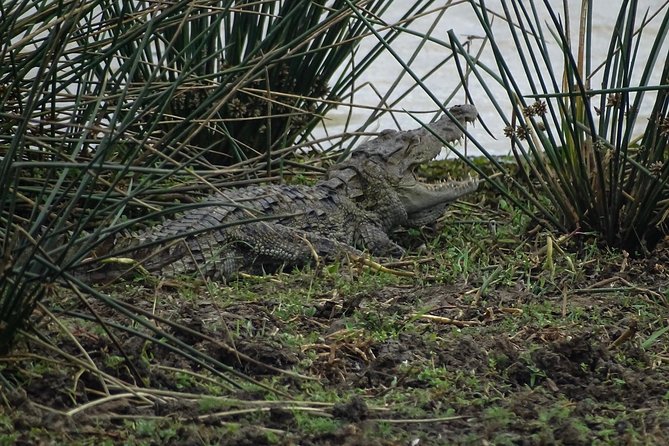
Birds are only the beginning. Kumana National Park gives you a six-hour private jeep safari through one of Sri Lanka’s best birding areas, with a chance to see elephants, leopards, jackals, crocodiles, wild pigs, and the rare wetland fishing cat. I like the private group format and the fact that pickup comes to your door, though you should remember that park admission is not included in the $100 price.
I also like the strong wildlife focus: a guide helps search for animals while the jeep covers far more ground than a walking outing. The main consideration is that wildlife is never guaranteed, and the park’s appeal leans heavily toward birdwatching, so anyone expecting constant large-animal sightings should keep expectations sensible.
In This Review
- Key points to know before you book
- Why Kumana is worth a safari
- A private jeep changes the feel of the outing
- What the six-hour safari is likely to include
- Kumana Villu and the best reason to bring binoculars
- Wildlife possibilities beyond birds
- The guide and driver are central to the experience
- Price, park admission, and overall value
- Who should book this Kumana safari?
- Practical advice for a better outing
- Should you book the Jeep Safari at Kumana National Park?
- FAQ
- How long does the Kumana National Park safari last?
- How many people can join the private tour?
- Is pickup included?
- Is bottled water provided?
- Are national park entrance fees included in the $100 price?
- Can I cancel for a full refund?
Key points to know before you book
- Private safari for up to six people: The $100 price covers your group, not each person, making the outing better value when shared.
- About six hours in Kumana National Park: That gives you useful time to search for birds and mammals across a very large protected area.
- Kumana Villu is the birding centerpiece: This 200-hectare mangrove swamp attracts nesting water birds, especially in May and June.
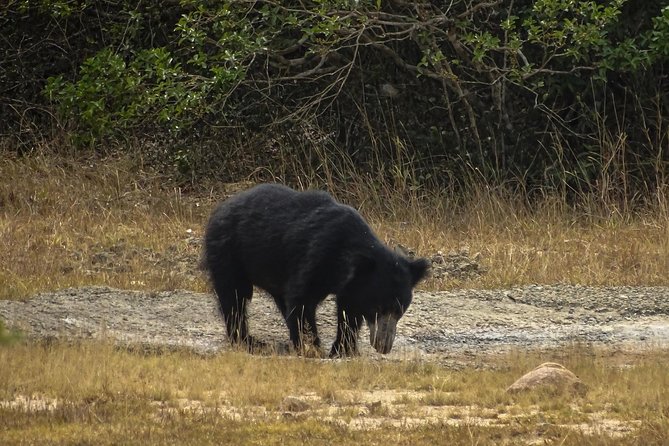
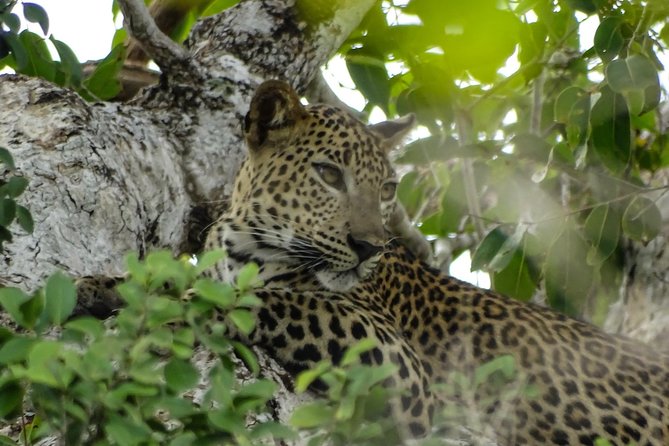
- A guide and driver improve your odds: Past outings have included two leopards, a sloth bear, crocodiles, wild pigs, and many bird species.
- Pickup and bottled water are included: Private transport makes the start simple, while water matters in Sri Lanka’s heat.
- Park entry costs extra: Add the national park admission fee to the advertised $100 before comparing prices.
Why Kumana is worth a safari
Kumana National Park covers about 35,664 hectares, so this is not a small reserve where you can expect to see everything in one quick loop. The park runs beside the Kumubukkan Oya River in the west and reaches toward the southeastern coast near Panama. That broad setting gives the jeep room to search for different habitats and animals.
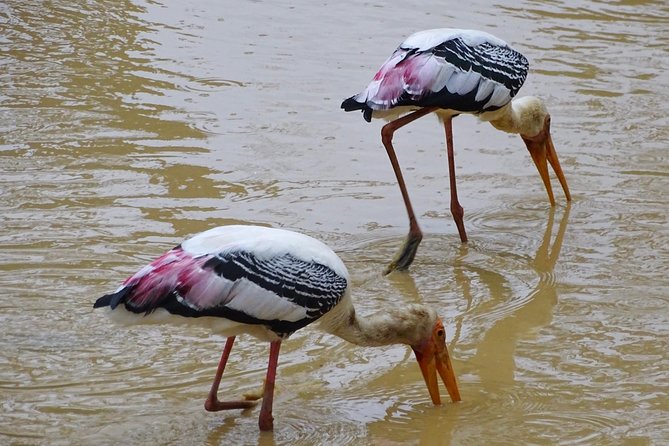
Kumana is especially important for birds. Sri Lanka records more than 430 bird species, including endemic, resident, and migrant birds, and more than 200 species can be seen fairly easily by birdwatchers. That number does not mean you will spot 200 species during one six-hour drive, but it explains why the park has such a strong reputation among bird fans.
The park’s best-known bird area is Kumana Villu, a 200-hectare mangrove swamp that can be flooded by seawater. Water birds nest there mainly in May and June. If your visit falls in those months, this part of the park may be the main reason to bring binoculars and spend time watching quietly.
Birds are not the whole story. Kumana also supports mammals and reptiles, including elephants, jackals, leopards, crocodiles, wild pigs, and the endangered wetland fishing cat. A sloth bear has also been seen during this safari experience. You may see none of these larger animals, but the mix gives the outing more range than a bird-only excursion.
More jeep safaris:
- From Sigiriya: Minneriya National Park Private Jeep Safari
★ 4.9 · 415 reviews - Private Jeep Safari at Minneriya National Park to Visit Elephants
★ 5.0 · 338 reviews - Udawalawe National Park — 4-Hour Private Jeep Safari (Pickup)
★ 5.0 · 161 reviews
A private jeep changes the feel of the outing
This is a private tour for your group of up to six people. That matters more than it may sound. You are not sharing the vehicle with strangers, and your group can enjoy a quieter, more focused outing without a larger party setting the mood.
For a group of six, $100 works out to about $16.67 per person before park admission. For two people, it becomes $50 each, so the value depends heavily on your group size. Solo visitors and couples may find the total less attractive, while families or friends sharing the jeep get a much better deal.
Private transport also removes one common hassle. Pickup is offered from your door, so you do not need to arrange your own way to the park meeting point. The exact pickup area is not stated, so confirm that detail when booking, especially if you are staying outside the main area served by the operator.
Bottled water is included. That is a modest extra, but a useful one during six hours outdoors. You should still treat the water as a starting supply, not a reason to skip your own sun protection and personal drinks.
What the six-hour safari is likely to include
The listed stop is Kumana National Park, and the experience lasts about six hours. That time is spent riding through the park by jeep while the guide and driver look for wildlife and suitable viewing areas.
A jeep lets you cover more ground than you could on foot. In a park of this size, that is a real advantage. You can move between habitats instead of spending the entire outing in one small area, though a vehicle also means you will be viewing the park from the road rather than walking quietly through it.
The guide’s role is important. Finding a leopard or fishing cat takes sharp eyes and local awareness. The guide can help identify birds and mammals, point out movement in the scrub, and improve your chances of stopping in the right place. One particularly strong outing included two leopards, and another included a sloth bear, crocodiles, wild pigs, and many birds.
Those sightings should be treated as fortunate possibilities, not promises. Wildlife decides the schedule. You may spend long stretches seeing birds and smaller creatures before anything large appears. That is normal for a national park safari and especially relevant in Kumana, where birdlife is a central attraction.
Kumana Villu and the best reason to bring binoculars
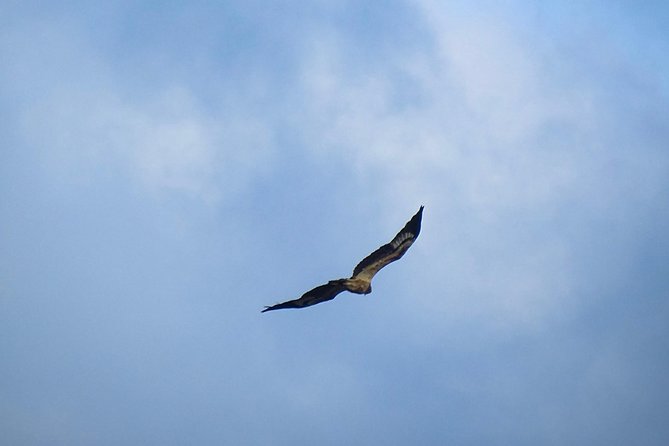
Kumana Villu is a mangrove swamp within the park, covering about 200 hectares. It is sometimes inundated by seawater, creating a wetland environment that supports nesting water birds.
The nesting period is mainly May and June. If you care about bird photography or species spotting, the timing of your visit matters. Outside those months, the swamp can still be a useful birding area, but you should not expect the same nesting activity.
Sri Lanka’s bird count includes endemic species found nowhere else, resident birds, and migrants. That variety gives Kumana a wider appeal than a simple animal-spotting drive. You might spend part of the safari watching birds around wet areas, then shift attention to mammal tracks, river edges, or open spaces where larger animals may appear.
I would choose this safari with a flexible attitude. The best part may be a leopard, but it could also be a sequence of unusual water birds or a brief view of an animal you did not expect. If you need a guaranteed headline sighting, no wildlife tour can honestly provide that.
A few more tours worth weighing up
- Udawalawe National Park | Private Safari Tour
★ 5.0 · 1,499 reviews - Yala National Park Safari Tours: Morning/Evening/Full Day
★ 4.8 · 818 reviews - Udawalawe National Park: Elephant Safari with Expert Guide
★ 4.9 · 641 reviews - Full day Safari – Yala National Park – 04.30 am to 06.00 pm with – Janaka safari
★ 5.0 · 603 reviews
Wildlife possibilities beyond birds
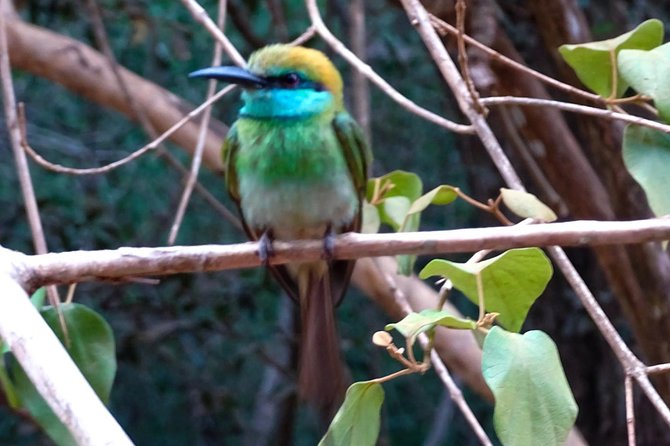
Leopards are the most tempting possibility for many people. One outing produced two leopard sightings, which is an exceptional result and a good reminder of what the park can offer. Still, you should not book on the assumption that leopards will appear.
Elephants are also among the animals you may search for. Jackals add another mammal possibility, while wild pigs have been seen during the safari. The endangered wetland fishing cat is a more unusual prospect and likely to be much harder to spot than common bird species.
Crocodiles and sloth bears widen the range again. A sloth bear sighting is particularly memorable, but it remains an unpredictable event. The guide and driver can help with detection and positioning, yet neither can control animal movement, weather, or visibility.
That uncertainty is part of the bargain. A six-hour outing gives you time and coverage, but it does not turn the park into a wildlife display. I would value the guide’s skill in finding what is present rather than judge the safari only by the largest animal seen.
The guide and driver are central to the experience
The most praised part of this experience is the human side. The guide has been described as friendly and well-informed, while the driver was praised for taking the group to good viewing areas. Those details matter because a safari jeep is only as useful as the people operating it.
A driver who knows where to go can save time and help the group cover better sections of the park. A strong guide can notice movement, explain what you are seeing, and keep the experience engaging during quieter stretches.
The feedback includes a guide who spotted many animals, including two leopards. That is a useful sign, though it is not a promise that every guide will produce the same result on every date. Confirm the pickup details and any questions about the guide when you book, but understand that animal sightings still depend on conditions.
Because the tour is private, you can also ask questions without worrying about holding up a large vehicle. That suits anyone who wants help identifying birds or learning more about Kumana’s wetland habitats.
Price, park admission, and overall value
The tour costs $100 per group of up to six people. That is a simple price structure and can be good value for a full private vehicle, particularly if you are traveling with friends or family.
The important catch is that national park entrance fees are extra. Since the amount is not provided here, you should ask for the current admission cost before booking and add it to your budget. The advertised rate is not the complete cost of the day.
For six people, the basic tour price is modest per person. For three people, it is about $33.33 each before entry. For one or two people, the private format gives you comfort and control, but the cost per person rises quickly.
I see the value in the private pickup, bottled water, six-hour duration, and local wildlife support. You are paying for transport, a dedicated group experience, and help searching a very large park. The deal makes the most sense if you want a private outing and can fill most of the vehicle.
The 4.9 rating from 13 reviews, with 100 percent recommending the experience, is encouraging but based on a small sample. I would read it as a strong signal about the operator’s service, not as proof of guaranteed wildlife sightings.
Who should book this Kumana safari?
Birdwatchers are the clearest match. Kumana’s wetlands, mangroves, resident species, migrant birds, and nesting water birds give the park a serious reason to visit even if no leopard appears.
This also suits families and groups staying around Arugam Bay who want to see a less familiar part of Sri Lanka by private vehicle. The pickup option and six-person capacity are helpful when several people are sharing plans and costs.
Wildlife photographers may enjoy the chance to search for leopards, elephants, crocodiles, and other animals, but the tour details do not promise special photography equipment or exclusive photo positions. Bring your own camera gear if you have it, and set expectations around changing light and unpredictable sightings.
I would be less keen to recommend it to someone who dislikes sitting in a vehicle for several hours or who wants a walking nature experience. This is a jeep safari, chosen for coverage and access, not a hike.
The experience requires good weather. If poor weather causes cancellation, you will be offered another date or a full refund. You can cancel for a full refund up to 24 hours before the start time, but changes or cancellations within 24 hours are not accepted.
Practical advice for a better outing
Bring binoculars if you own them. Kumana’s birdlife is a major draw, and a pair will help you make more of distant birds and wetland activity.
Wear clothing suited to heat and outdoor viewing. Bottled water is included, but six hours is a long time in the open, so sensible sun protection is useful. The provided details do not specify meals, snacks, or additional drinks, so plan around the listed inclusions rather than assuming food is supplied.
Keep your schedule flexible. Wildlife sightings can take time, and the best moment may come after a quiet period. A private tour gives you your own group, but it cannot make nature follow a timetable.
If you are booking for six people, the price is especially attractive. If you are a couple, compare the total with other private safari choices in the Arugam Bay area, while remembering that this option includes pickup and a dedicated vehicle.
Should you book the Jeep Safari at Kumana National Park?
Book it if you want a private, guide-supported look at one of Sri Lanka’s major bird parks, especially if you can share the $100 cost with a larger group. The chance to see leopards, elephants, crocodiles, sloth bears, and the endangered wetland fishing cat adds real excitement, while Kumana Villu gives birdwatchers a strong reason to go even on a quieter mammal day.
Skip it if you need guaranteed big-animal sightings, dislike long vehicle outings, or are not prepared to pay the separate park entrance fee. For most people staying near Arugam Bay, though, this is a well-priced way to reach a part of Sri Lanka that is easy to miss when driving yourself.
FAQ
How long does the Kumana National Park safari last?
The safari lasts approximately six hours.
How many people can join the private tour?
The private tour accepts up to six people in your group.
Is pickup included?
Yes. Pickup is offered, and the tour begins from your door.
Is bottled water provided?
Yes. Bottled water is included.
Are national park entrance fees included in the $100 price?
No. Entrance fees to Kumana National Park are not included.
Can I cancel for a full refund?
Yes. You can cancel at least 24 hours before the start time for a full refund. If poor weather causes the operator to cancel, you will be offered a different date or a full refund.
More Safari
- From Colombo: Sigiriya and Dambulla Day Trip with Safari
★ 4.7 · 842 reviews - Yala National Park: Half, 7-Hour, or Full-Day Safari & Meals
★ 4.8 · 489 reviews - From Sigiriya: Minneriya National Park Elephant Safari
★ 4.8 · 365 reviews - Yala National Park Wildlife Safari/ Game Drive – by Ajith Safari
★ 4.5 · 351 reviews
Just added around Sri Lanka
- High-Grown Tea & Waterfall Wonders of Nuwara Eliya by tuktuk★ 5.0 · 3 reviews
- Nuwara Eliya: Tea Factory and Victoria Park Tour by Tuk Tuk★ 3.4 · 3 reviews
- Evening Tour at the Last Kingdom of Sri Lanka, Kandy★ 5.0 · 3 reviews
- Mirissa/Galle/Hikkaduwa: Transfer to Ella & Udawalawa Safari★ 5.0 · 3 reviews
- Tour to Dambulla Cave, Sigiriya and Pidurangala Rock from Kandy★ 5.0 · 3 reviews
- Minneriya: Minneriya National Park Private Jeep Safari★ 4.4 · 3 reviews
- Day Tour Kandy to Sigiriya with Dambulla Cave Temple Excursion★ 5.0 · 3 reviews
- Private Day tour from Kandy to Sigiriya, Dambulla & Pidurangala★ 5.0 · 3 reviews
Jeep Safaris, compared.
Private Jeep Safari at Minneriya National Park to Visit Elephants
Read our review →Udawalawe National Park — 4-Hour Private Jeep Safari (Pickup)
Read our review →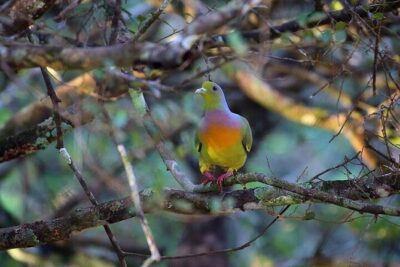
Wilpattu National Park Jeep Safari from Negombo / Waikkal (All Inclusive)
Read our review →Udawalawe National Park Half Day Jeep Safari (Private Tour)
Read our review →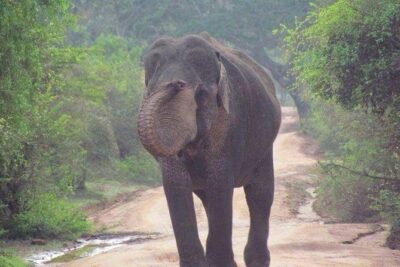
Kaudulla National Park Half Day Sri Lanka Jeep Safari
Read our review →
Minneriya National Park Elephant Jeep Safari Private Tour
Read our review →Browse the lists this tour appears in