
Reviewed · CITY TOURS
Small Group Hambantota City Tour
Salt, ships, and wartime towers tell Hambantota’s story. This three-hour outing gives you a useful look at a Sri Lankan port city often passed by on the way to national parks or the south coast. I like the mix of local industry and coastal history, and I like that an air-conditioned vehicle, bottled water, WiFi, parking, and a licensed guide are included.
The strongest part is the variety. You move from salt pans to fishing boats, then from a 2004 tsunami site to a British coastal fort. The main consideration is pace: six stops in about three hours means each visit lasts roughly 30 minutes. The Heritage Museum is also closed on Sundays, so your day of travel matters.
In This Review
- Key points to know before booking
- Why Hambantota makes a good short city tour
- Starting at Hambantota City
- Seeing how the Hambantota Salt Factory works
- Remembering the 2004 tsunami
- Climbing into Hambantota’s Martello Tower
- Finding local stories at the Heritage Museum
- Watching the fishing trade at the harbor
- What the $55 price covers
- How the guides shape the experience
- Timing, meeting point, and practical planning
- Who should book the Hambantota city tour?
- Should you book it?
- FAQ
- How long does the Hambantota City Tour last?
- How much does the tour cost?
- Where does the tour begin?
- Where does the tour end?
- Is transportation included?
- Is a guide included?
- Are bottled water and WiFi included?
- Is the Hambantota Heritage Museum open every day?
- What is the maximum group size?
- Can I cancel for a full refund?
Key points to know before booking
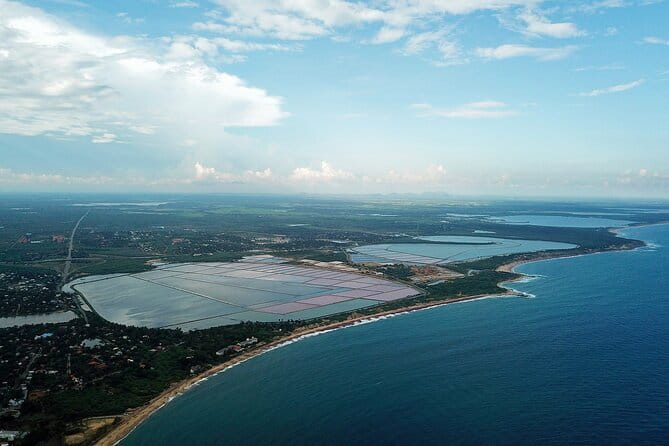
- Salt production is the tour’s most unusual stop: See the large salt pans and learn how an important local industry works.
- The tsunami area adds serious historical weight: This is not a light sightseeing stop, but a chance to consider loss, recovery, and community strength.
- Martello Tower brings coastal military history into view: The old British defense post also offers views toward the coast.
- The fisheries harbor keeps the tour grounded in daily life: You may see fishing activity, the daily catch, and local working boats.
- The tour begins and ends at Hambantota Port: The meeting point is listed at 43FW+HX, Hambantota, Sri Lanka.
- Three hours is efficient but brisk: Each stop is planned for about 30 minutes, with travel time between locations included in the overall outing.
Why Hambantota makes a good short city tour
Hambantota is a useful place to see how coastal Sri Lanka works beyond its temples and beaches. The city is tied to salt production, fishing, shipping, trade, colonial defense, and the painful memory of the 2004 tsunami.
That mix gives the tour purpose. You are not simply ticking off monuments. You are seeing several forces that shaped the area: the sea as a source of food, a route for trade, a threat during disaster, and a line to defend.
I also like the practical size of this experience. It is listed as a small group tour, although the maximum group size is 33 people. That is smaller than a large coach outing, but it may not feel intimate if the booking reaches its limit. The air-conditioned vehicle matters in Hambantota’s warm coastal climate, especially when you are moving between outdoor stops.
The tour has an overall rating of 3.2 from five published ratings, so I would book with sensible expectations. The strongest praise focuses on friendly guiding, comfortable transport, and useful explanations about daily life in Hambantota. That is exactly where this outing should earn its $55 price.
A few more tours worth weighing up
- Yala National Park Safari Tours : Half Day & Full Day
★ 4.9 · 161 reviews - Yala National Park Safari Tour From Hambantota port
★ 4.5 · 102 reviews - Udawalawe Safari Adventure
★ 5.0 · 76 reviews
Starting at Hambantota City
The first half-hour is an introduction to the city itself. You get an overview of Hambantota, its main attractions, local markets, and ordinary street life.
This opening stop is valuable because it gives the rest of the tour a setting. The salt factory means more when you understand that it is part of a working coastal economy. The harbor makes more sense after you have seen the city that supports it.
Do not expect a long guided walk through every street. With only 30 minutes scheduled, this is better understood as a city orientation. You may have time to observe market activity and hear about local life, but the exact amount of walking or shopping is not specified.
I would use this first stop to ask questions. A good guide can connect Hambantota’s port, fishing, salt, and modern development in a way that a quick drive through town cannot. Two visitors gave the guide and driver high praise for explaining Sri Lanka and Hambantota in a clear, personal way. That kind of local context is likely to be the main benefit here.
Seeing how the Hambantota Salt Factory works
The salt factory is the most distinctive part of the route. Hambantota is home to one of Sri Lanka’s largest salt producers, and the broad salt pans give you something very different from the usual southern Sri Lankan sightseeing circuit.
You are scheduled to spend about 30 minutes learning about salt production. The visit covers traditional and modern methods, the history of the industry, and its role in the local economy. You should also expect expansive salt pans stretching across the area.
This stop works well because the subject is both simple and important. Salt is an everyday product, but its production depends on sun, seawater, evaporation, labor, and careful timing. Seeing the production area helps you understand how a basic household item becomes a major local business.
The factory visit is also a good test of the guide’s value. The physical site may be broad and straightforward, but the explanation can turn it into a useful lesson in work and trade. Ask how the methods differ and how the industry supports Hambantota.
Admission is included, with no separate ticket charge listed. Since the tour uses an air-conditioned vehicle, you can also step back into comfort after time outside. Wear practical clothing and bring the bottled water provided, since the salt pans are an exposed setting. The exact walking conditions are not supplied, so I would avoid assuming that every part is shaded or paved.
Remembering the 2004 tsunami

The tsunami-affected area is the most solemn stop. In 2004, the Indian Ocean tsunami caused widespread destruction across coastal communities, including Hambantota. This part of the outing focuses on the impact, survival stories, rebuilding, and memorial sites.
You receive about 30 minutes here. That is enough for an introduction and reflection, but not enough for a long study of the disaster. The value comes from the guide’s historical explanation and the chance to connect a major world event with one local community.
I appreciate that this stop is included, but you should be ready for a change in mood. The salt factory is about work and production. The tsunami area asks you to slow down and think about loss, memory, and recovery.
Treat the site respectfully. The information provided does not specify a particular memorial name, detailed walking route, or formal ceremony. You should therefore view this as a guided visit to affected areas and memorial places rather than a museum-style presentation.
For many people, this will be the most meaningful section of the tour. It shows that Hambantota is not only a port or a collection of coastal attractions. It is also a community that had to rebuild after a disaster that changed the region forever.
A completely different kind of day out from Hambantota:
- Yala Safari Tour from Hambantota Port by Ajith Safaris
★ 5.0 · 67 reviews - Udawalawa Safari & Elephants Orphanage Tour from Hambantota port
★ 5.0 · 63 reviews - Yala National Park Safari |From Hambantota Port (Shore Excursion)
★ 4.5 · 61 reviews - Yala National Park: 7 hour & 12 hour Leopard Safari Tours
★ 4.6 · 46 reviews
Climbing into Hambantota’s Martello Tower
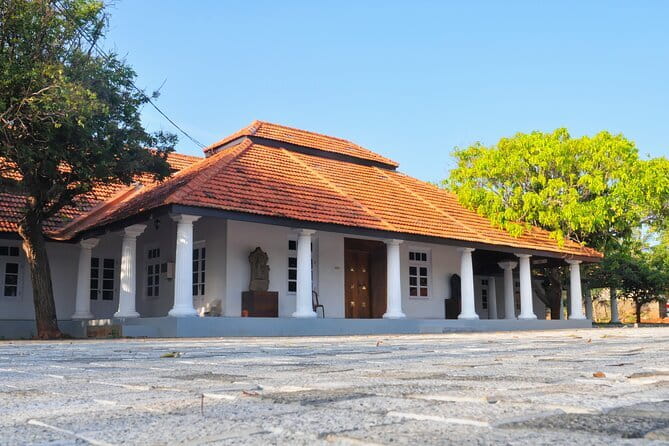
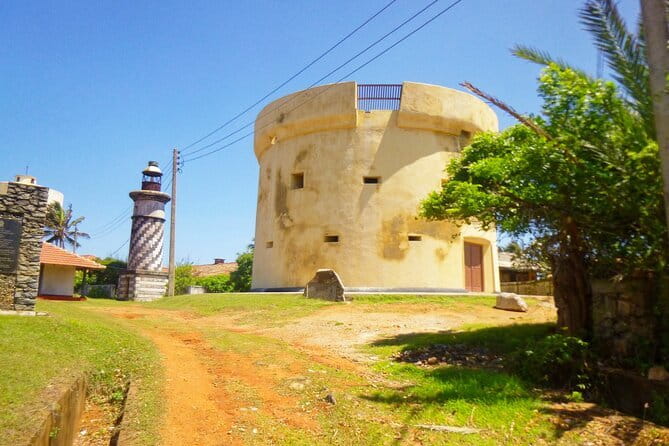
The Martello Tower adds a compact piece of British military history. Built in the early 19th century, this coastal defense structure was designed to protect the shoreline and watch for threats from the sea.
The tour allows around 30 minutes for the tower. You can learn about its strategic purpose, see historical displays, and take in coastal views from the site.
Martello towers are usually appealing because they make military history physical. Instead of reading only about colonial defenses, you see the shape of the structure and its relationship to the coast. The tower’s location helps explain why it mattered.
The stop may be brief, and the supplied details do not state whether every interior level is open or how many stairs you must climb. If you have mobility concerns, ask the operator before booking. Most people can participate, according to the activity information, but that does not provide a detailed accessibility description.
I would especially value this stop if you enjoy forts, old buildings, or coastal viewpoints. If your main interest is modern local life, the tower may feel more like a short historical pause than a major attraction.
Finding local stories at the Heritage Museum
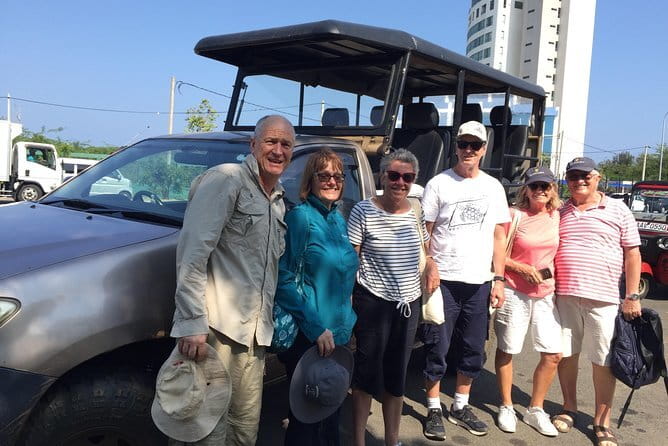
The Hambantota Heritage Museum presents artifacts, traditional crafts, and displays about the area’s past. It is a useful counterpoint to the salt factory and fisheries harbor because it focuses on culture rather than current work.
You have about 30 minutes to see the exhibits and educational material. The museum may help you place the city’s present-day economy within a longer local story. The collection is described as including interactive displays and traditional objects, though no detailed list of individual artifacts is provided.
This is another stop where the guide can make a difference. A museum visit can be quick and hard to read if labels are limited or your time is short. Ask the guide to point out the objects that best explain Hambantota’s customs and local development.
The key practical warning is simple: the museum is closed on Sundays. If your tour falls on that day, confirm how the stop will be handled before you set out. The supplied information does not state a replacement attraction, so do not assume one will be provided.
The museum is likely to suit you if you want more than scenery. It offers a chance to connect objects, crafts, and local traditions with the working city you see outside.
Watching the fishing trade at the harbor

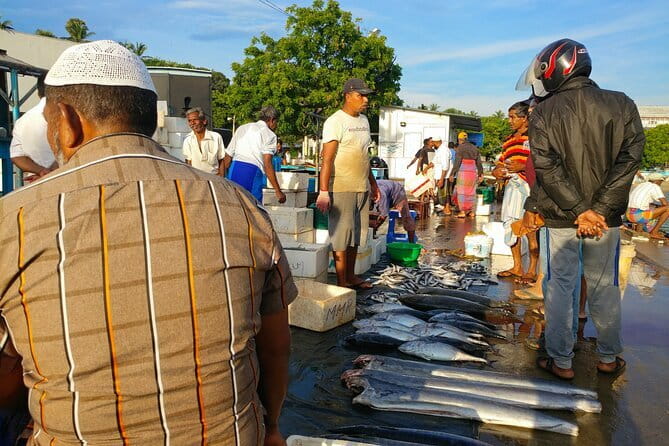
The final stop is Hambantota Fisheries Harbour, where the tour shifts back to present-day life. You can observe fishing activity, learn about local fishing practices, see the daily catch, and possibly speak with fishermen.
The harbor is scheduled for 30 minutes. That is enough for a quick look at the working waterfront, but the amount of activity will depend on the time of day and the fishing schedule. The tour details do not promise a particular boat arrival or specific catch.
Still, this may be the most direct encounter with the city’s daily economy. A museum can explain history, while a harbor shows people earning a living now. The sea breeze and working boats also provide a natural finish after the more reflective tsunami stop.
Keep your expectations practical. This is not described as a seafood meal, boat ride, or fish market tour. It is a guided harbor visit. You are there to observe, listen, and gain a better sense of the fishing industry.
I like ending here because it leaves you with movement and work rather than only monuments. Hambantota becomes a lived-in port, not just a stop on a sightseeing map.
What the $55 price covers

At $55 per person, the value depends on how much context you want. You are paying for about three hours, a licensed guide, an air-conditioned vehicle, bottled water, onboard WiFi, parking fees, and admission at the listed stops.
There are no separate admission charges shown for the city, salt factory, tsunami area, tower, museum, or harbor. That makes the price easier to judge because you are not constantly adding small entrance fees.
The best value comes from transportation and interpretation. Hambantota’s attractions are spread across different parts of the city and coast. A private taxi could move you around, but it would not automatically provide explanations about salt production, the tsunami, colonial defense, local heritage, and fishing.
The main limit is the schedule. Six stops at about 30 minutes each leaves little time for lingering. If you like to photograph every view, read every museum panel, or spend a long time at the harbor, you may feel rushed.
The group cap is 33 people. That is described as a maximum, not the guaranteed size for your departure. If a personal guide experience matters to you, ask how many people are booked before you go.
How the guides shape the experience
The guide is central to this tour. The most positive comments praise friendly service, clear historical perspective, and explanations about life in Hambantota. The driver also received strong praise, which matters when your day depends on moving between six stops on time.
The guide’s role is not just to point out buildings. At the salt factory, you need help understanding production. At the tsunami site, you need sensitive historical context. At the tower, you need the military background. At the harbor, you need an explanation of local fishing.
I would begin with a few questions:
- How does salt production affect the local economy?
- What changed in Hambantota after the tsunami?
- What was the Martello Tower built to protect?
- How does the fisheries harbor support local families?
The available information does not provide guide names, so I cannot recommend a particular individual. It does indicate that the guiding can be a major strength, especially when you want more than a ride past the sights.
Timing, meeting point, and practical planning
The experience starts at Hambantota Port, listed at 43FW+HX, Hambantota, Sri Lanka. It ends back at the same meeting point, which is helpful if you are visiting from a ship or need to return to your starting location.
The duration is approximately three hours. The six listed stops are each planned for about 30 minutes, though driving time and the exact flow of the day can affect how long you spend at each place.
Confirmation is provided when you book. Most people can participate, but detailed accessibility information is not supplied. If you need step-free access, help with stairs, or a particular vehicle arrangement, contact SAMTOURS before booking.
The tour offers free cancellation up to 24 hours before the start time. Cancellation within 24 hours is not refunded, and changes made during that period are not accepted. Cutoff times use local time.
The museum closure on Sundays is the one date-specific issue to check. I would also confirm the pickup details directly if you are arriving at Hambantota Port on a ship, since port access procedures can vary.
Who should book the Hambantota city tour?
I would recommend this tour to first-time visitors who want a broad introduction to Hambantota in one morning or afternoon. It suits you if you enjoy local industry, coastal history, museums, and honest accounts of community life.
It is also a sensible choice for cruise passengers or anyone with limited time. The return to the port and the included vehicle remove much of the effort of arranging transport between scattered stops.
Families with older children may like the variety. Salt pans, a fort, fishing boats, and tsunami history offer more range than a standard city drive. The serious subject matter may require a thoughtful approach with younger children.
I would hesitate if you want a slow, unstructured day. The schedule is tight, and the maximum group size of 33 is not especially small. You may also want another option if your visit is on Sunday and the museum is important to you.
Should you book it?
Book this Hambantota tour if you want to understand how the city works, not just photograph it. The salt factory and fisheries harbor give you direct contact with local industries, while the tsunami area, Martello Tower, and Heritage Museum add historical depth.
At $55, the outing offers fair value for transport, a licensed guide, water, WiFi, parking, and several included stops. Its weakness is the brisk timing, not a lack of variety.
My advice is to confirm the museum schedule, ask about the expected group size, and treat the tsunami visit with respect. If you do that, this is a useful and unusual way to spend three hours in Hambantota.
FAQ
How long does the Hambantota City Tour last?
The tour lasts approximately three hours.
How much does the tour cost?
The price is $55 per person.
Where does the tour begin?
It begins at Hambantota Port, listed at 43FW+HX, Hambantota, Sri Lanka.
Where does the tour end?
The activity ends back at the meeting point.
Is transportation included?
Yes. An air-conditioned vehicle is included.
Is a guide included?
Yes. The tour includes a licensed tour guide.
Are bottled water and WiFi included?
Yes. Bottled water and WiFi onboard are included.
Is the Hambantota Heritage Museum open every day?
No. The museum is closed on Sundays.
What is the maximum group size?
The activity can have a maximum of 33 travelers.
Can I cancel for a full refund?
Yes, if you cancel at least 24 hours before the experience start time. Cancellations within 24 hours are not refunded.
Just added around Hambantota
- Yala National Park: Half Day or Full Day Leopard Safari Tour★ 3.8 · 3 reviews
- Yala National Park : Half Day or Full Day Safari Tours★ 3.4 · 3 reviews
- Yala: All Inclusive Overnight Glamping and Safari★ 4.5 · 3 reviews
- From: Ahungalla/Ambalangoda/Kosgoda/Balapitiya – YALA Safari★ 4.7 · 3 reviews
- Yala National Park: Leopard Safari Half/Full-Day Safari★ 5.0 · 3 reviews
- Lunugamvehera National Park Safari ( Yala Block V / VI )★ 4.4 · 3 reviews
- Bundala National Park : Safari Tour with Entrance tickets & Jeep★ 5.0 · 3 reviews
- From Hambantota Port: Yala National Park Private Safari★ 5.0 · 3 reviews
City Tours, compared.
Private Tuk-Tuk City Tour with All Entry Fees
Read our review →
Colombo Tuk Tuk City Tour -Sightseeing Entry Fees & Food Included
Read our review →
Colombo Private Tuk-Tuk City Tour with All Entry Fees Included
Read our review →
Private Tuk-Tuk City Tour with Guide & All Tickets
Read our review →

Kandy to Ambuluwawa & Kandy City Guided Tuk Tuk Day Tour
Read our review →
Tuk Trip is Very Cheap in Colombo (All-inclusive ) city tour
Read our review →Browse the lists this tour appears in