
Reviewed · SPICE GARDEN TOURS
Sri Lanka: Ceylon Cinnamon Experience & Spice Garden Tour
Cinnamon is only the beginning. At Warala Watta Farm, you walk through a working spice garden, see bark turned into cinnamon quills, taste fresh produce, and learn how Sri Lankan spices move from plant to finished product. I like the hands-on cinnamon making and the friendly, small-group format, which keeps the tour personal rather than rushed. The main consideration is access: you arrange your own transport, and the garden is not suitable for wheelchair users or people with mobility impairments.
I also like the tasting sessions, especially the chance to try tropical fruit and tea with Sri Lankan spice blends. English is the tour language, and the group is limited to 10 people, so you have a fair chance to ask questions. Bring good walking shoes, water, sun protection, and insect repellent. This is a farm visit, not a polished indoor museum.
In This Review
- Key points at a glance
- Why this spice tour is worth three hours
- Walking into the Warala Watta spice garden
- The cinnamon process, from bark to quill
- Tasting spices, fruit, and tea
- Organic farming and seasonal harvesting
- Inside the spice processing factory
- Group size, guides, and the pace of the visit
- Getting there and preparing well
- Who will enjoy this experience most
- Is the $20 price good value?
- Should you book the Warala Watta cinnamon experience?
- FAQ
- Where is the Ceylon Cinnamon Experience held?
- How long does the tour last?
- What is included in the price?
- Is transportation included?
- What language is the tour offered in?
- How many people are in each group?
- Is the tour suitable for wheelchair users?
- What should I bring?
Key points at a glance
- Make a cinnamon quill yourself: See the bark peeled, rolled, and prepared, then try the traditional method under guidance.
- Walk through a working spice garden: Learn to identify cinnamon, black pepper, cloves, cardamom, and other plants where they grow.
- Taste spices with tropical fruit: Fresh fruit, tea, and garden spices show how Sri Lankan flavor combinations work.
- Visit the processing factory: Follow the spice journey beyond the garden and learn how quality is checked.
- Keep the group small: With no more than 10 participants, the tour should feel more like a guided farm visit than a large commercial stop.
- Plan your own arrival: Transport is not included, so allow time to arrange a car, tuk-tuk, or other ride to Warala Watta Farm.
Why this spice tour is worth three hours
Sri Lankan food can seem easy to summarize: cinnamon, pepper, cloves, cardamom, chili. The trouble is that most of us meet these spices only after they have been dried, ground, packaged, and placed on a shelf. This tour corrects that gap.
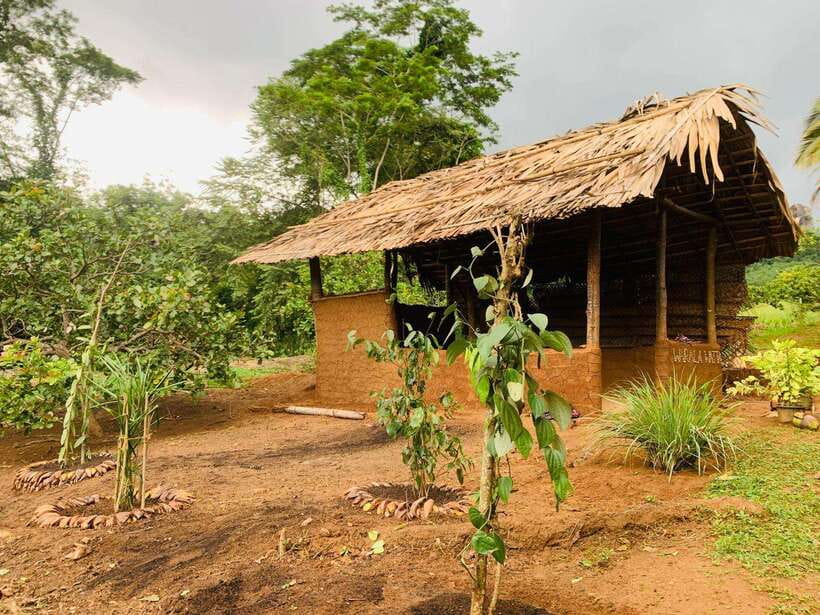
At Warala Watta Farm, you see the plants and processing methods behind familiar flavors. That matters because cinnamon is not simply scraped from a tree and sold as a stick. The bark must be selected, peeled, cleaned, rolled, dried, and prepared into quills. The cinnamon session gives you a clear look at this work and lets you take part.
For $20 per person, the price is strong if you value explanation and participation. You are paying for a three-hour guided visit that includes the garden walk, cinnamon activity, tastings, and factory visit. It is not just a short stop at a spice shop. The value is best for anyone who wants to understand ingredients through their source rather than collect another packaged souvenir.
The tradeoff is that this is not a full meal or a sightseeing tour with transportation. You will need to get there independently, and the tastings do not replace lunch. Think of it as a focused half-day outing.
More spice garden visits:
- Ella : Cooking class with amazing Spice Garden Tour
★ 5.0 · 239 reviews - Day Tour to Elephant Orphanage / spice garden
★ 5.0 · 20 reviews - Knuckles Spice Trail Trek from Kandy
★ 5.0 · 15 reviews
Walking into the Warala Watta spice garden
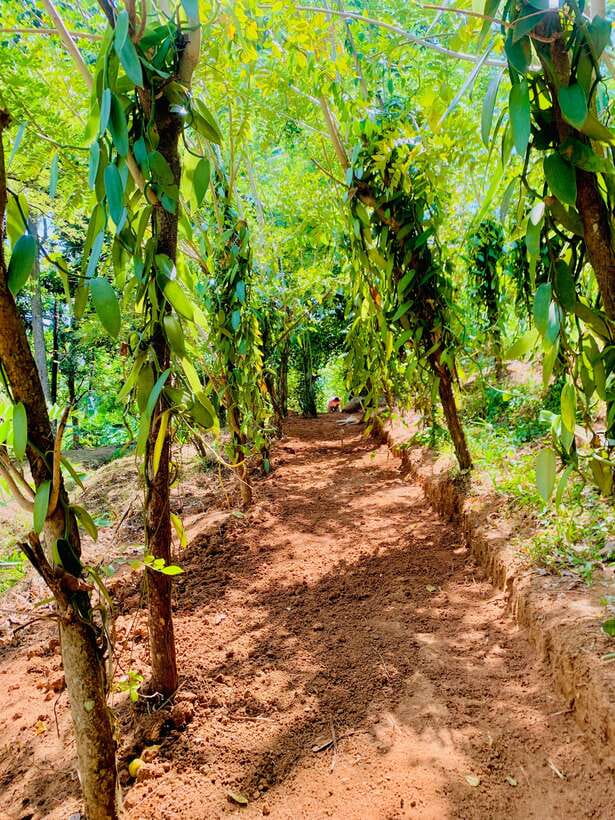
The tour begins with a guided walk through the plantation. You move among spice plants and learn about how they are grown, harvested, and used in cooking and traditional medicinal practices.
The garden includes cinnamon, black pepper, cloves, cardamom, and other Sri Lankan spices. Seeing these plants in their growing environment helps you understand their differences. A spice garden also asks you to use more than your eyes. You may handle or smell plants only when the guide invites you to do so, since the garden’s instructions ask you not to touch plants casually.
That rule is worth taking seriously. It protects the plants and keeps the experience respectful. Take photographs, but listen before reaching for a leaf or branch.
The walk is one of the most useful parts for families, food lovers, and anyone who has wondered what pepper or cardamom looks like before processing. It also gives the tour a sense of place. You are not only hearing a talk about Sri Lankan agriculture in a room. You are walking through the source material.
The setting is described as peaceful and picturesque, but you should prepare for an outdoor walk. Comfortable shoes are essential. A hat, sunscreen, water, and insect repellent will make the visit much easier, especially if the sun is strong or the ground is uneven.
The cinnamon process, from bark to quill
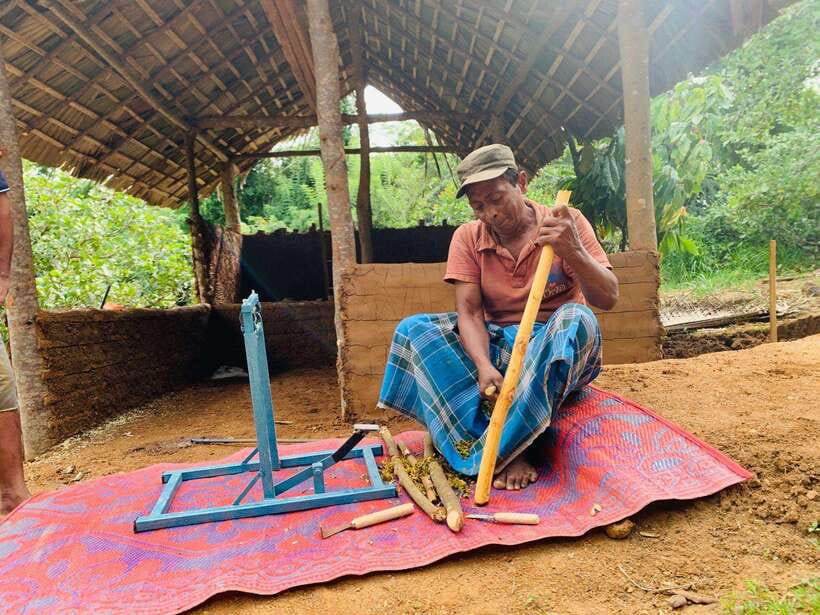
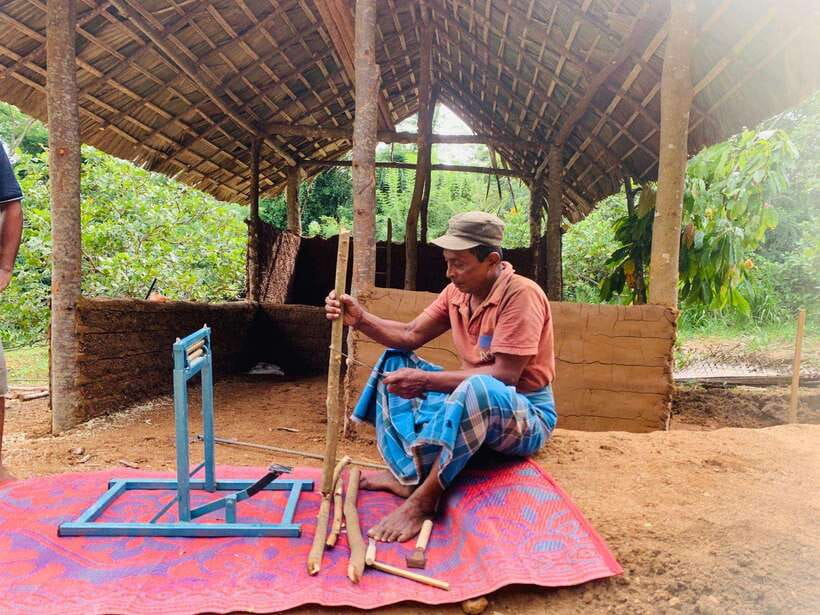
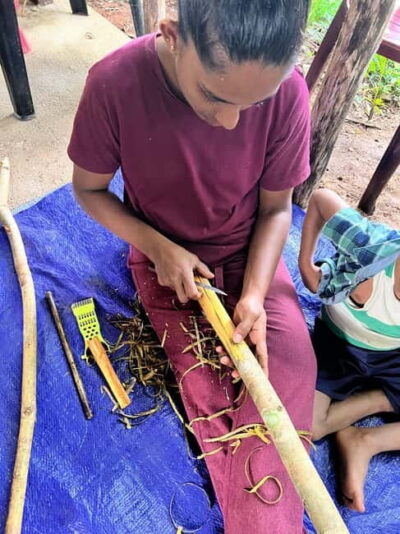
The cinnamon activity is the heart of the visit. You see the process step by step, beginning with the harvesting and peeling of bark. The guide explains how the outer layer is removed and how the useful inner bark is prepared.
Then comes the part that makes this more than a demonstration. You get to try making a cinnamon roll, or quill, yourself. Do not expect instant professional results. The work is more precise than the finished cinnamon stick suggests, and the activity gives you a new respect for the people who do it repeatedly.
This hands-on section also helps you distinguish real cinnamon production from the generic image of a spice stick. You see how preparation affects the final shape and quality. The experience is practical, memorable, and easy to understand even if you know little about farming.
The guides named in the feedback include Roha and Dilan, along with the wider farm team. Their warm approach is one of the strongest reasons this visit seems to work. The guiding style is described as patient, friendly, and clear, with an emphasis on taking part rather than simply watching.
If you are traveling alone, the small group can be especially reassuring. One solo woman described feeling safe and well looked after during her visit. That is useful context, though you should still arrange your transport carefully and confirm your plans before setting out.
Tasting spices, fruit, and tea
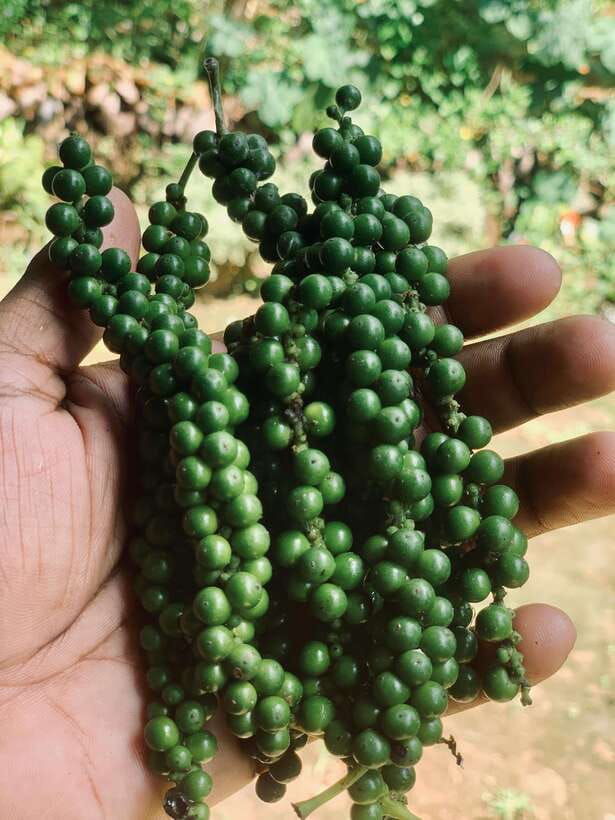
After the garden and cinnamon work, the tour turns to flavor. You taste fresh garden spices and discuss their uses and possible health benefits. The point is not to overwhelm you with a long list of ingredients. It is to show how aroma, heat, sweetness, and texture work together.
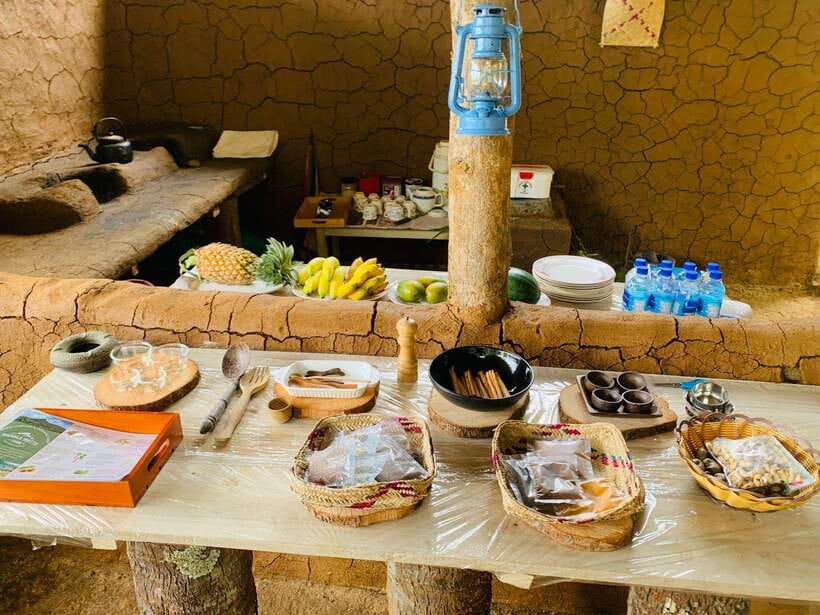
The tropical fruit tasting adds a playful element. Fruit is served with Sri Lankan spice combinations, giving you a chance to compare familiar sweetness with pepper, cinnamon, chili, or other local flavors. The exact fruits and spice pairings are not fixed in the information provided, so seasonal availability may shape what you try.
You also get the chance to taste local tea with spices. This is a good reminder that spices are not limited to curries. They can change a drink, sharpen fruit, or add warmth to a simple snack.
The tasting is interactive rather than formal. You can smell, taste, and identify spices in a sensory challenge, using your nose, tongue, and hands when directed. That makes the session suitable for children and adults, although anyone with food allergies should ask about ingredients before tasting.
I would not book this tour expecting a large lunch. Meals are not included, and the tasting is designed to explain flavor rather than fill you up. Plan a meal before or after the three-hour visit.
A completely different kind of day out from Sri Lanka:
- Colombo: Private Tuk-Tuk City Tour with All Entry Fees
★ 4.9 · 2,154 reviews - Udawalawe National Park | Private Safari Tour
★ 5.0 · 1,499 reviews - Kandy Private Guided City Tour by Tuk Tuk
★ 4.9 · 1,307 reviews - Whales and Dolphins Watching-Luxury Super Grade Cruiser(Hotel Pick up offered)
★ 5.0 · 1,268 reviews
Organic farming and seasonal harvesting
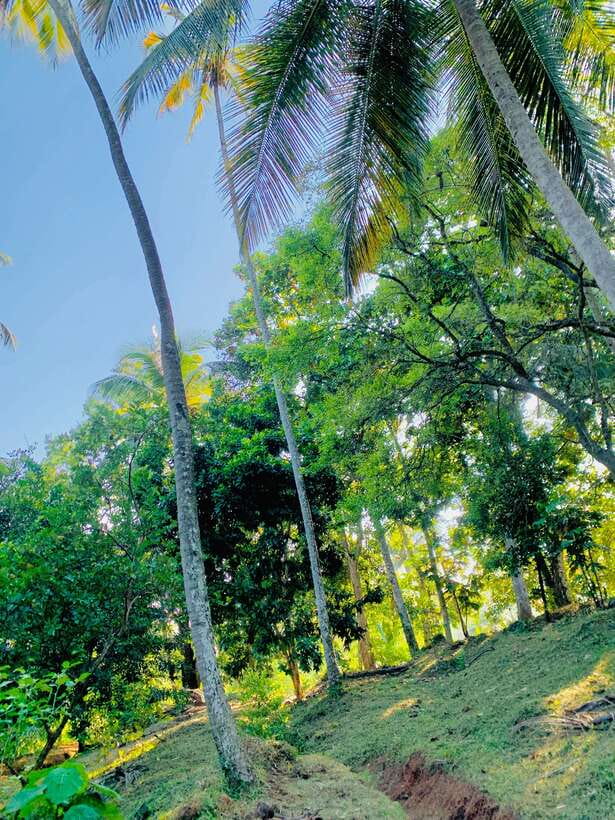
The farm also introduces its organic farming methods and sustainable growing practices. This part gives useful context to the garden walk. You learn not only what a spice is, but how it is grown and harvested.
Some harvesting activities are seasonal. That means you may not see every crop being picked during every visit. This is a normal limitation of a real farm, and it is better than a staged demonstration that looks identical all year.
The seasonal element can actually make the tour more honest. Farming follows weather, crop cycles, and timing. If you want to see a particular harvesting activity, ask about current conditions when you book or arrive.
The garden’s approach also asks you to be a considerate visitor. Stay with the group, avoid damaging plants, and follow the guide’s instructions about touching or tasting. These small habits help protect the farm that makes the experience possible.
Inside the spice processing factory
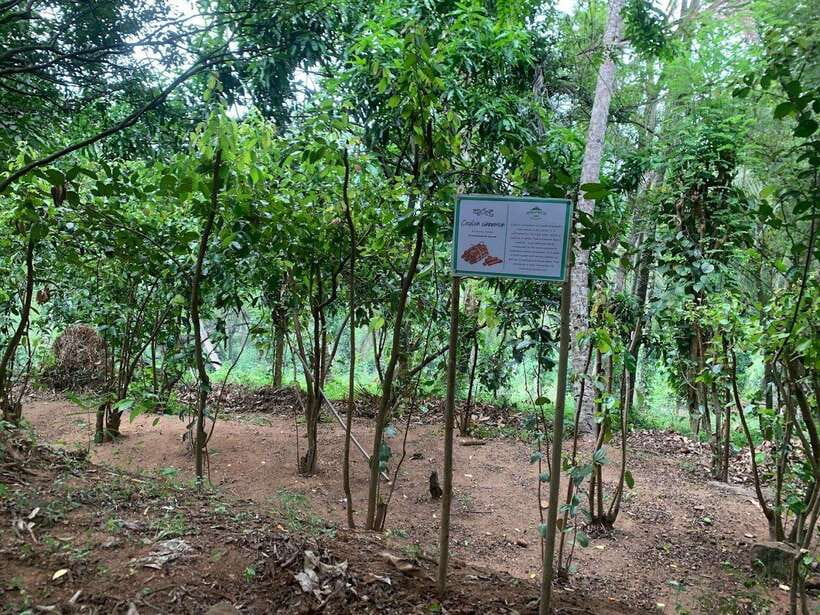
The factory visit follows the garden walk and cinnamon demonstration with a look at processing. Here you see how raw spices move toward a finished product and learn about quality assurance.
This step is important because it connects traditional farm work with the commercial side of spice production. The garden shows where ingredients begin. The factory shows how they are handled, prepared, and checked before sale.
The factory is not presented as a grand industrial attraction. It is part of a local farm and production operation that has opened its doors. That gives the visit a useful sense of reality. You may see practical working methods rather than a display built only for tourists.
A shop is available after the tour, with cinnamon, cloves, black pepper, chili powder, and other spices. Prices have been described as fair, which makes buying a small supply more appealing than purchasing the same ingredients at a heavily marked-up souvenir outlet.
Use ordinary caution when buying spices for air travel. Check packaging and import rules for your home country, and buy only what you can carry comfortably. The best purchases are the items you understand and expect to use, not a large bag of unfamiliar powders.
Group size, guides, and the pace of the visit

The maximum group size is 10 people. That is a useful limit for a garden tour because plants can be hard to see when a crowd gathers around one guide. A small group also gives you more space during the cinnamon activity and more time to ask questions.
The tour runs for about three hours, though one visit took roughly two and a half hours. Allow the full three hours in your schedule. The final timing may depend on group pace, questions, seasonal activities, and how much time you spend at the tastings.
The language is English. Guides are described as warm and eager to help, with Roha, Dilan, and their team receiving particular praise for their welcome. The human side of the tour matters here. A spice garden can easily become a string of plant names, but a good guide turns those names into food, farming, work, and daily life.
The pace should suit you if you like a mix of walking, demonstration, conversation, and tasting. It may feel less satisfying if you want a fast sightseeing stop with no participation. The cinnamon work takes attention, and the garden walk requires you to move outdoors.
Getting there and preparing well
Transport to and from Warala Watta Farm is not included. You need to arrange your own ride, so this tour works best when you already have a driver, hotel transport, or a reliable local plan.
Do not leave the transport question until the last minute. Confirm the meeting point and allow extra time for the approach, especially if you are connecting the visit with another activity in Central Province.
Wear shoes that you can walk in comfortably. Bring:
- A hat and sunscreen
- Drinking water
- Insect repellent
- A camera
- Comfortable clothing for an outdoor farm visit
Smoking is not allowed on the premises. You should also avoid touching plants unless the guide gives permission. The garden is not suitable for pregnant women, wheelchair users, or people with mobility impairments.
The experience is offered with free cancellation up to 24 hours in advance, and you can reserve now and pay later. Those terms are useful if your Sri Lanka plans are still shifting, but the practical details remain the same: you still need to organize your own arrival.
Who will enjoy this experience most
I would recommend this tour to food lovers, curious families, photographers, and anyone who wants a closer look at Sri Lankan agriculture. It is particularly good for people who enjoy learning by doing. Rolling cinnamon bark is more memorable than simply hearing how cinnamon is made.
Solo visitors can also find the setting comfortable because the group is small and the team is welcoming. Couples and families should appreciate the combination of walking, tasting, and hands-on work, since the format offers more variety than a standard plantation talk.
The tour is less suitable for anyone with limited mobility or someone who dislikes outdoor conditions. You may encounter walking surfaces, sun, insects, and the ordinary unpredictability of a farm. It is also not the right choice if you need a full meal, included transport, or a wheelchair-accessible route.
Is the $20 price good value?
At $20, the tour offers a lot for a short outing. The price includes five main elements: the guided garden walk, cinnamon activity, farm-to-table spice tasting, tropical fruit tasting with Sri Lankan spices, and factory visit.
The strongest value comes from the hands-on sections. You are not merely shown a cinnamon quill and told where it comes from. You watch the bark being processed and try the work yourself. The fruit, tea, and spice tasting adds another layer by showing how the ingredients are used.
The price also covers access to a working farm setting, a live English guide, and a small group of no more than 10 people. Since transport and meals are excluded, the total cost of your outing will be higher than $20, but the core activity remains reasonably priced.
If you want a polished luxury food tour, this may feel basic. If you want an approachable local farm experience with real participation, the price is hard to criticize.
Should you book the Warala Watta cinnamon experience?
Book it if you want to understand Sri Lankan spices through plants, people, and process. The cinnamon quill activity is the clear highlight, while the fruit tasting, factory visit, and friendly guides add enough variety to keep three hours moving.
Skip it if you cannot manage an outdoor walk, need included transport, or are looking for a full meal. For everyone else, I would put this on a Central Province schedule, especially if you enjoy food and want a souvenir with a story behind it. Arrange your ride early, wear sensible shoes, and arrive ready to smell, taste, and get your hands involved.
FAQ
Where is the Ceylon Cinnamon Experience held?
The experience takes place at Warala Watta Farm Spice Garden and Organic Farm in Sri Lanka’s Central Province.
How long does the tour last?
The scheduled duration is three hours. One visit took about two and a half hours, so you should allow the full three-hour period.
What is included in the price?
The price includes the guided spice garden walk, Ceylon cinnamon activity, farm-to-table spice tasting, tropical fruit tasting with Sri Lankan spices, and factory visit.
Is transportation included?
No. You need to arrange your own transportation to and from the spice garden.
What language is the tour offered in?
The live guided tour is offered in English.
How many people are in each group?
The experience is limited to 10 participants.
Is the tour suitable for wheelchair users?
No. The experience is not suitable for wheelchair users or people with mobility impairments. It is also not suitable for pregnant women.
What should I bring?
Bring comfortable walking shoes, a hat, sunscreen, water, insect repellent, and a camera. Smoking is not permitted within the garden.
Just added around Sri Lanka
- Evening Tour at the Last Kingdom of Sri Lanka, Kandy★ 5.0 · 3 reviews
- High-Grown Tea & Waterfall Wonders of Nuwara Eliya by tuktuk★ 5.0 · 3 reviews
- Nuwara Eliya: Tea Factory and Victoria Park Tour by Tuk Tuk★ 3.4 · 3 reviews
- Mirissa/Galle/Hikkaduwa: Transfer to Ella & Udawalawa Safari★ 5.0 · 3 reviews
- Tour to Dambulla Cave, Sigiriya and Pidurangala Rock from Kandy★ 5.0 · 3 reviews
- Minneriya: Minneriya National Park Private Jeep Safari★ 4.4 · 3 reviews
- Day Tour Kandy to Sigiriya with Dambulla Cave Temple Excursion★ 5.0 · 3 reviews
- Private Day tour from Kandy to Sigiriya, Dambulla & Pidurangala★ 5.0 · 3 reviews
Spice Garden Tours, compared.




Browse the lists this tour appears in