
Reviewed · UDAWALAWE SAFARIS
Udawalawe National Park Safari with Elephant Transit Home Visit
Elephants are the main event here. This four-hour Udawalawe safari pairs a 4×4 drive through Sri Lanka’s famous elephant park with a visit to the Elephant Transit Home, where orphaned calves are prepared for life in the wild. I like the strong chance of seeing elephants year-round and the small private group, limited to six people per jeep. I also like that the driver doubles as your animal spotter, which can make a big difference in a large park.
The main catch is timing. A morning departure usually gives you the best chance of finding elephant herds, while an afternoon trip offers sunset light but may be less useful if your first goal is wildlife sightings. Also check the booking option carefully, since park entrance fees are included only with the Jeep with Tickets choice.
In This Review
- Key points to know before booking
- Why Udawalawe is such a strong elephant choice
- The three-hour 4×4 drive through Udawalawe
- Choosing morning wildlife or afternoon sunset
- What you may see beyond the elephants
- The Elephant Transit Home feeding visit
- What the $27.50 price really covers
- Pickup, distance, and the small details that matter
- The guide makes or breaks a safari
- Who should book this Udawalawe safari
- Should you book it?
- FAQ
- How long does the Udawalawe safari experience last?
- How many people can ride in one safari jeep?
- Are park entrance fees included in the price?
- Is pickup included?
- Can I see baby elephants at the Elephant Transit Home?
- What happens if bad weather cancels the safari?
Key points to know before booking
- About 500 elephants live in the park, and herds can number as many as 100.
- Morning departures favor wildlife sightings, while afternoons can bring excellent sunset photography.
- The jeep holds no more than six people, making the outing more personal than a large safari convoy.
- Lahiru is praised for sharp animal spotting, especially birds, crocodiles, snakes, and elephants.
- The Elephant Transit Home uses a viewing platform, so you see feeding time without handling or touching the calves.
- Pickup and drop-off are free within 5 kilometers of the park gate and Udawalawe, but longer transfers cost extra.
Why Udawalawe is such a strong elephant choice
Udawalawe National Park covers a large area in south-central Sri Lanka, about 180 kilometers from Colombo. It is Sri Lanka’s sixth-largest animal sanctuary and is especially known for its dependable elephant sightings.
That reliability matters. Wildlife never follows a script, but Udawalawe has a large resident elephant population, estimated at about 500 animals. Herds may contain up to 100 elephants, so you have a genuine chance of seeing several animals together rather than one distant shape behind the trees.
I like this kind of safari for first-time visitors to Sri Lanka. You are not relying only on luck or a single rare sighting. Elephants often move through the park in open areas, and the driver can spend time watching their behavior instead of rushing from one possible sighting to the next.
The park is not only about elephants. You might see water buffalo, wild boar, spotted deer, sambar deer, jackals, black-naped hares, mongooses, bandicoots, foxes, toque macaques, and gray langurs. Crocodiles and many bird species are also possible, including eagles, kingfishers, and bee-eaters.
Leopards and sloth bears are among the animals you may hope to find, but they should be treated as lucky extras, not promises. The clearest reason to choose this outing is the elephants.
More Udawalawe safaris and elephant trips:
- Udawalawe National Park | Private Safari Tour
★ 5.0 · 1,499 reviews - Udawalawe National Park: Elephant Safari with Expert Guide
★ 4.9 · 641 reviews - Udawalawe National Park Private Safari
★ 5.0 · 258 reviews
The three-hour 4×4 drive through Udawalawe
Most of the safari portion lasts about three hours. You ride in a 4×4 jeep with a maximum of six passengers, though this is described as a private activity for your own group. That setup gives you room to look in different directions and makes it easier to ask the driver to pause when something catches your eye.
The driver also works as the tracker. This is one of the most important parts of the experience. In a wide park, spotting wildlife requires patience and a practiced eye. Lahiru receives especially strong praise for finding animals that are easy to miss, including eagles, kingfishers, bee-eaters, crocodiles, and a well-camouflaged vine snake.
His reported strength is not just identifying large mammals. A good safari guide helps you notice movement, color, tracks, and small changes along the roadside. That can turn a quiet stretch into a productive one. If Lahiru is assigned to your jeep, you may benefit from his strong animal-spotting skills, though guide assignments can depend on the operator.
The route can also affect your experience. One account describes staying on roads with fewer other jeeps, creating a calmer outing. That does not mean you will have the park to yourself, but it is worth asking the driver to favor quieter areas when wildlife conditions allow.
The ride itself may be dusty and bumpy. The information provided does not promise a smooth vehicle or a specific seating arrangement, so dress for an outdoor safari rather than a polished sightseeing tour. Bring protection for your phone or camera, and keep the included mineral water bottle close by.
Choosing morning wildlife or afternoon sunset
Your departure time deserves careful thought.
A morning safari is the better pick if elephants are your priority. The tour information specifically notes that morning departures generally give you a better chance of seeing herds. For a four-hour outing, starting early also lets you spend the main part of the drive looking for active wildlife.
An afternoon safari can still work well, especially if you care about photography. The setting sun may add warm color to the park and create attractive elephant silhouettes. You may also prefer the afternoon if your schedule makes an early start difficult.
The trade-off is simple: choose morning for the strongest wildlife focus, afternoon for sunset conditions. I would not book the later departure solely because you expect a quieter park or more animal sightings. Those details are not guaranteed.
If you are arranging transport from another town, confirm the start time and return plan before paying. One safari party had transportation arranged to and from Tangalle, along with breakfast and water. That suggests the operator may be able to help with longer transfers, but pickup outside the free 5-kilometer zone is not included in the basic terms.
What you may see beyond the elephants
Udawalawe rewards you when you keep scanning. Elephants are large and memorable, but smaller animals can provide some of the best moments.
Water buffalo may appear near water. Deer and wild boar can cross the road or feed in open areas. Toque macaques and gray langurs add a distinctly Sri Lankan touch, while jackals, foxes, mongooses, and bandicoots require more alert watching.
Birdlife can keep the safari interesting during a stretch without large mammals. Eagles, kingfishers, and bee-eaters have all been spotted on these outings. Crocodiles may be found near water, and reptiles such as a vine snake can be surprisingly difficult to see without a skilled spotter.
Keep your expectations realistic. A safari is a search, not a wildlife guarantee. You could see many elephants and still miss a leopard or sloth bear. The strength of this park is the consistent elephant population, along with a good mix of birds, reptiles, and common Sri Lankan mammals.
More elephant experiences:
- Udawalawe: National Park Safari & Elephant Transit Home Tour
★ 4.9 · 183 reviews - Udawalawa Safari & Elephants Orphanage Tour from Hambantota port
★ 5.0 · 63 reviews - Udawalawe: National park safari & Elephant Transit Home Tour
★ 5.0 · 50 reviews - From Ella: Udawalawe Safari with Elephant Transit Home Visit
★ 4.9 · 26 reviews
The Elephant Transit Home feeding visit
The second stop lasts about 30 minutes and takes place at the Elephant Transit Home, also called Udawalawa Ath Athuru Sewana. The Sri Lanka Department of Wildlife Conservation established the facility in 1995 to care for orphaned elephant calves and prepare them for release into the wild.
This mission gives the stop real purpose. It is not a petting zoo, and you are not brought close to touch or feed the elephants yourself. Instead, you watch feeding time from a viewing platform.
That distance is a positive feature. The calves remain part of a rehabilitation program rather than becoming dependent on human contact. You still get a clear look at young elephants as they gather for food, but the visit keeps a proper boundary between people and wild animals.
The feeding period is described as a chance to see hundreds of young elephants, though the exact number visible at your visit may vary. Timing matters, so ask the driver how the park drive fits with the feeding schedule.
Some people may find the stop less intimate than expected. If you want a hands-on elephant encounter, this is not that kind of attraction. If you prefer an animal visit that supports eventual release and avoids direct handling, the viewing platform is a much better fit.
What the $27.50 price really covers
At $27.50 per person, this can be good value if your booking includes the park entrance fee. The package includes a 4×4 jeep, an experienced driver and tracker, one mineral water bottle per person, the Elephant Transit Home visit, taxes, and service charges.
The crucial detail is the ticket selection. All entrance fees are included if you choose Jeep with Tickets. The wording does not say that every price option includes those fees, so you should check the exact package before booking. A low headline price can become less attractive if admission is added later.
The six-person vehicle limit also helps the value. You are paying for a focused half-day outing rather than a large shared group where every stop becomes a debate. Since the activity is private for your group, you can discuss pacing and wildlife stops more easily.
Food and drinks are not included, apart from one mineral water bottle per person. Breakfast was arranged on at least one longer outing, but it is not part of the stated package. Do not assume meals are included.
Gratuities and personal expenses are also extra. If the driver works hard to find animals and gives you a useful explanation of what you are seeing, a tip is a reasonable way to recognize that service.
Pickup, distance, and the small details that matter
Free pickup and drop-off apply to locations within 5 kilometers of the park gate and Udawalawe. If your hotel is farther away, hotel transfers are not included. This is easy to overlook if you are staying in another town.
The tour is near public transportation, and confirmation is provided at booking. Most people can take part, but the information does not give specific details about vehicle access, seating, or mobility arrangements. If you have a mobility concern, ask before booking rather than assuming the jeep will suit you.
The activity requires good weather. If poor weather causes cancellation, you are offered another date or a full refund. You can also cancel for a full refund up to 24 hours before the start time. Changes made less than 24 hours ahead are not accepted, so keep the local cut-off time in mind.
The guide makes or breaks a safari
A safari vehicle is only half the experience. The person behind the wheel controls the pace, reads the park, and decides when a distant movement deserves a closer look.
Lahiru receives the strongest praise for enthusiasm, punctuality, and animal spotting. He is credited with finding elephants, birds, crocodiles, and a vine snake, and with bringing breakfast on one outing. German-speaking visitors also appreciated his explanations and his choice of quieter roads.
There is one important warning about service. One booking involving a full-day safari raised concerns about communication and expectations around timing. The safari itself received high marks, but the arrangements were not handled as well as hoped.
That is useful advice for you. Confirm whether you are booking a three-hour, four-hour, or full-day outing, and ask exactly when the safari begins and ends. Do not rely on the phrase full day without checking the schedule. Clear timing is especially important if you have a train, transfer, or hotel reservation afterward.
Who should book this Udawalawe safari
I would recommend this experience if you want a practical introduction to Sri Lanka’s wildlife without committing to a full day in the park. It suits couples, families, and small groups who want a private vehicle and a strong chance of seeing elephants.
It is also a good match if you care about animal welfare. The Elephant Transit Home offers a short but meaningful contrast to the safari. You see elephants in the park as wild animals, then see young calves being cared for under a rehabilitation program.
This may not suit you if you expect guaranteed leopards, close contact with baby elephants, or a luxury vehicle. The outing is built around wildlife searching, dusty roads, and patience. The viewing platform keeps you away from the calves, which is ethically sensible but may disappoint anyone seeking a hands-on encounter.
Photographers should choose the departure time with care. Morning is better for finding herds, while afternoon may provide the most attractive sunset light. Families should note that the ride can last several hours and may be bumpy, though most people can participate.
Should you book it?
Book this safari if elephants are your main goal, you want a small private group, and you value a guide who can spot more than the obvious animals. The combination of a three-hour park drive and a 30-minute rehabilitation visit gives you a well-sized half-day without making the day feel overpacked.
Before booking, confirm three things: the departure time, the pickup distance, and whether you selected Jeep with Tickets. If you want the best chance of large herds, choose morning. If sunset photographs matter more, choose afternoon.
At $27.50 per person, the experience offers solid value when entrance fees are included. Just keep your expectations grounded: the elephants are the reliable headline, while leopards, sloth bears, and other rarer wildlife remain fortunate surprises.
FAQ
How long does the Udawalawe safari experience last?
The experience lasts approximately four hours. About three hours are spent on the 4×4 safari in Udawalawe National Park, followed by about 30 minutes at the Elephant Transit Home.
How many people can ride in one safari jeep?
Each 4×4 jeep can carry a maximum of six passengers. The activity is private, so only your own group participates.
Are park entrance fees included in the price?
Entrance fees are included if you select the Jeep with Tickets option. Check your chosen option carefully before booking.
Is pickup included?
Free pickup and drop-off are offered for locations within 5 kilometers of the park gate and Udawalawe. Hotel pickup and drop-off outside that area are not included.
Can I see baby elephants at the Elephant Transit Home?
You can watch young elephants during feeding time from a viewing platform. You cannot get up close and personal with or handle the elephants.
What happens if bad weather cancels the safari?
If poor weather causes cancellation, you are offered a different date or a full refund. You can also cancel up to 24 hours before the experience for a full refund.
More Safari
- Galle/Mirissa/Hiriketiya: Drop to Ella & Udawalawa Safari
★ 4.9 · 186 reviews - Ella: Shuttle to Tangalle/Mirissa/Galle w Udawalawe Safari
★ 4.9 · 166 reviews - Hikkaduwa/Galle/Weligama/Mirissa/Tangalle: Udawalawa Safari
★ 4.8 · 114 reviews - From Mirissa/Galle/Hikkaduwa: Udawalawa National Park Safari
★ 4.7 · 106 reviews
More National Parks
- Udawalawe National Park — 4-Hour Private Jeep Safari (Pickup)
★ 5.0 · 161 reviews - Udawalawa National Park Safari Tour with Experienced Guides
★ 4.8 · 122 reviews - Udawalawe National Park Entrance Ticket with Private Safari
★ 5.0 · 115 reviews - Udawalawe National Park Half Day Jeep Safari (Private Tour)
★ 5.0 · 112 reviews
Just added around Udawalawe
- Mirissa/Galle/Hikkaduwa: Transfer to Ella & Udawalawa Safari★ 5.0 · 3 reviews
- Udawalawa National Park – 4*4 Private Safari Jeep Tour★ 4.7 · 3 reviews
- Colombo/Bentota: Safari Trip to Yala & Udawalawe w/ Picnic★ 3.9 · 3 reviews
- 1 Day tour to Yala National Park or Udawalawe National Park★ 4.5 · 3 reviews
- Udawalawe Safari Private Day Tour Kaluthara/Beruwala/Bentota/Kosgoda/Ahungalla★ 5.0 · 3 reviews
- Udawalawe National Park Safari from Bentota★ 5.0 · 3 reviews
- Udawalawe National Park Safari and Elephant Transit Home★ 5.0 · 3 reviews
- Sinharaja Rainforest & Udawalawe Safari – 2 Days, All Inclusive★ 5.0 · 3 reviews
Udawalawe Safaris, compared.
Udawalawe National Park | Private Safari Tour
Read our review →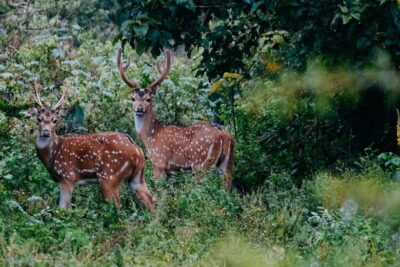
Udawalawe National Park: Elephant Safari with Expert Guide
Read our review →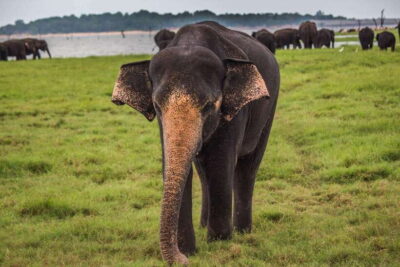
Galle/Mirissa/Hiriketiya: Drop to Ella & Udawalawa Safari
Read our review →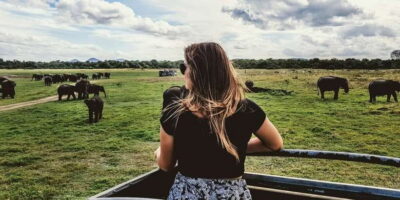
Udawalawe: National Park Safari & Elephant Transit Home Tour
Read our review →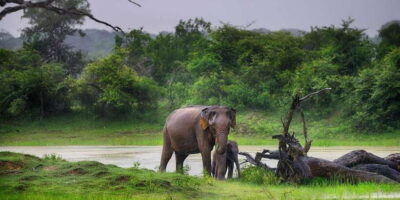
Shuttle to Tangalle/Mirissa/Galle w Udawalawe Safari
Read our review →Udawalawe National Park — 4-Hour Private Jeep Safari (Pickup)
Read our review →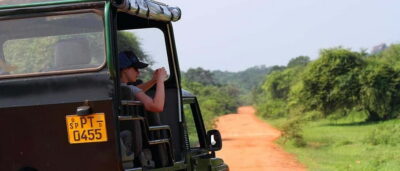
Udawalawa National Park Safari Tour with Experienced Guides
Read our review →Browse the lists this tour appears in