
Reviewed · SIGIRIYA ROCK TOURS
Sigiriya: Rock Fortress Private Guided Walking Tour
Climb into Sri Lanka’s past. This three-hour guided walk through Sigiriya Rock Fortress brings the 5th-century palace complex, gardens, frescoes, and Lion’s Paw into focus. I like the small group limit of four, which gives you a better chance to ask questions, and I like that the guide helps you spot details you could easily miss on your own.
I also appreciate the tour’s clear route, from the water gardens to the ruins high on the rock. Guides such as Kumara have been praised for lively explanations, good photos, and careful attention, while Sugath was noted for setting a comfortable pace. The main catch is physical: you climb about 1,200 steps, and the $29 tour price does not include the separate $35 entrance ticket.
In This Review
- Key points to know before climbing Sigiriya
- Why Sigiriya is worth the climb
- Starting among the water gardens
- Boulder gardens, pools, and the approach to the rock
- The fresco pocket and ancient paintings
- Reaching the Lion’s Paw
- The summit palace and the views
- What the guides add to the walk
- Is $29 good value after the entrance fee?
- Who should book this Sigiriya tour?
- My verdict on the three-hour climb
- FAQ
- How long does the Sigiriya guided walking tour last?
- How many steps must I climb?
- How much walking is on flat ground?
- Is the entrance ticket included?
- What does the $29 tour price include?
- How many people can join the group?
- Which languages are available?
- What should I bring?
- Is the tour suitable for people with limited mobility?
- Can I cancel the tour for a refund?
Key points to know before climbing Sigiriya
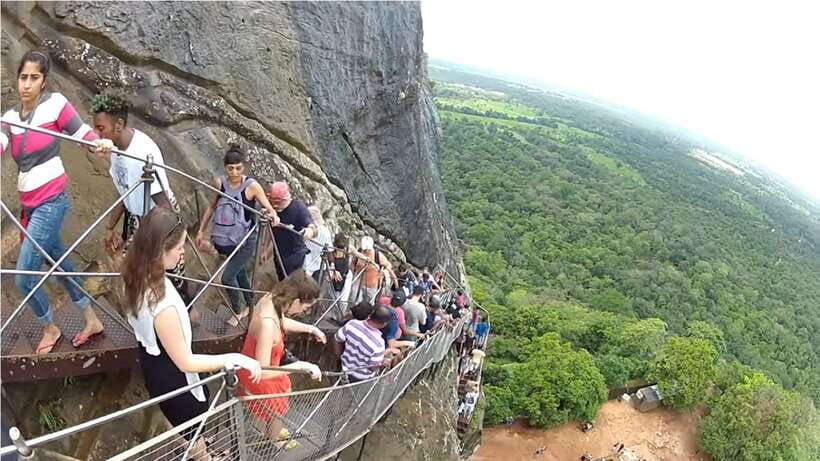
- The climb is serious: You will walk about 1 kilometer on level ground and climb roughly 1,200 steps.
- The small group matters: With no more than four participants, the guide can usually give the walk a personal feel.
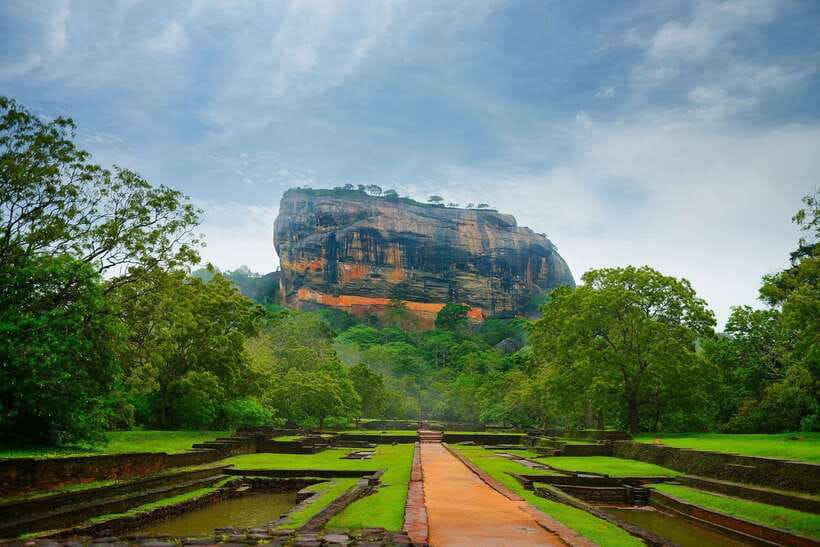
- The route covers the main sights: Expect water gardens, boulder gardens, fountains, pools, frescoes, the Lion’s Paw, and summit ruins.
- The guide adds value: Kumara has been praised for humor, photos, and smooth organization, while Sugath received praise for detailed explanations and patient pacing.
- The true cost is about $64 per person: Add the $35 entrance ticket to the $29 guiding fee, before food or drinks.
- Start times can be early: A 6:00 am departure is available, but an early start does not guarantee an empty site.
Why Sigiriya is worth the climb
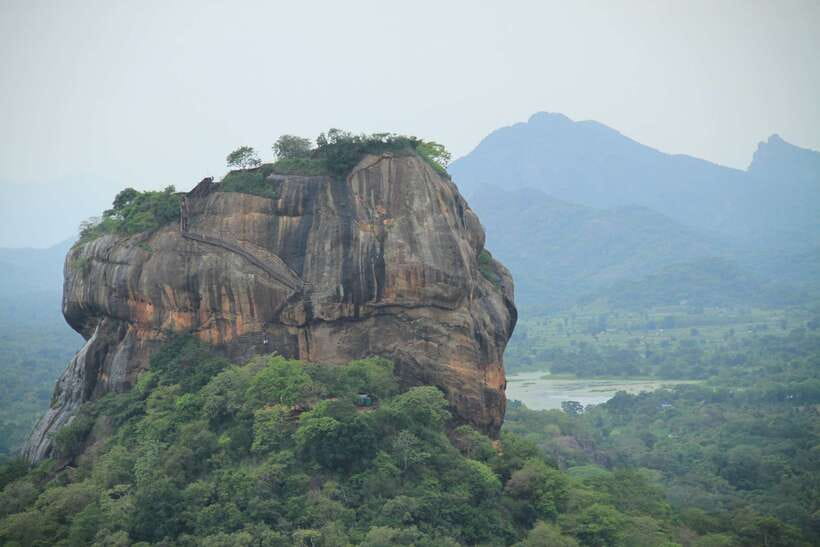
Sigiriya is not simply a rock with a view. It is a carefully arranged royal site, built around a huge natural outcrop and approached through gardens, pools, walls, stairways, and carved stone remains. The setting gives the visit its power: you move from open ground into an ancient palace complex, then climb toward the remains of the royal center.
I like this guided format because Sigiriya can be visually impressive but historically hard to read. A pool may look like a plain rectangle in stone. A garden wall may seem like a ruin with no clear purpose. Your guide supplies the connections, explaining what you are seeing as the route unfolds.
The tour is also compact. You spend about three hours walking rather than committing to a full-day program. That works well if Sigiriya is one stop in a wider visit to Sri Lanka’s Cultural Triangle. You get the key sights, but you still need enough time and energy for the climb itself.
The rating of 4.8 from 34 reviews suggests a strong overall experience, though it is not flawless. The best feedback centers on guides who are warm, patient, informative, and helpful with photos. One less positive experience involved repeated facts and repeated requests for a generous tip. That is useful to keep in mind: the quality of the walk depends heavily on the individual guide.
More ways to climb Sigiriya:
- From Colombo: Sigiriya and Dambulla Day Trip with Safari
★ 4.7 · 842 reviews - From Kandy: Sigiriya Rock & Dambulla Cave Temple Adventure
★ 4.9 · 785 reviews - Organic cooking class sigiriya (kumara & family)
★ 5.0 · 650 reviews
Starting among the water gardens
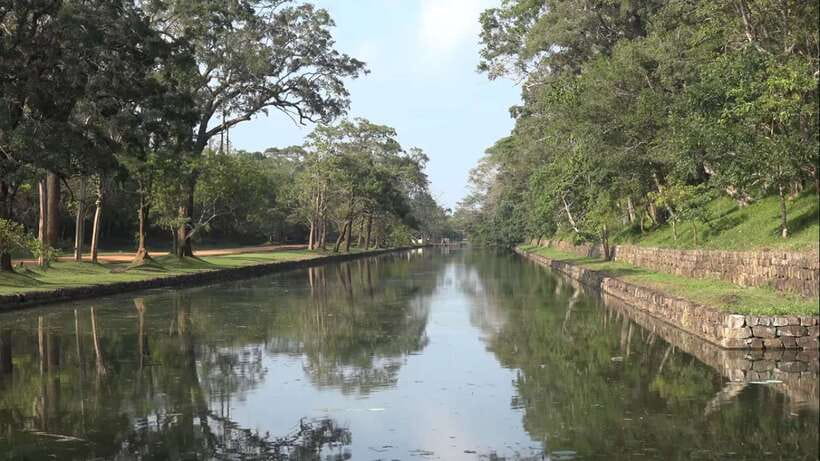
The walk begins at a miniature water garden near the archaeological site’s entrance. This is a good introduction because Sigiriya’s design becomes clear before you tackle the stairs. Water, stone, gardens, and royal buildings were planned as one grand approach rather than placed at random.
From here, you move through the lower part of the complex. You may see fountains, pools, and other small water features along the way. These spaces help you picture the site as a working royal center, not only as a defensive stronghold.
The garden section is also the gentlest part of the route. You cover about 1 kilometer on relatively flat ground before the main upward climb. Use this time to ask your guide about the palace complex and to settle into your walking pace.
A guide is particularly useful here because the remains are spread across a large area. Without explanation, you may pass a low wall or dry channel without understanding its place in the site. With commentary, the lower grounds become part of the story rather than a warm-up walk to the famous rock.
Boulder gardens, pools, and the approach to the rock
As you continue, the route passes through boulder gardens and more water features. Large rocks shape the approach and make the site feel less like a single monument and more like a carefully managed royal setting.
The tour description includes swimming pools and other constructions connected with the old palace complex. Some of these remains sit high on the rock, while others form part of the lower approach. The guide’s role is to point out how the pieces relate to one another.
This section is a good place to appreciate the scale of the work. Sigiriya combines natural stone with planned gardens and constructed spaces. I would not rush through the lower grounds just to reach the top. The summit receives most of the attention, but the gardens explain how the ancient site was experienced from the ground.
The route is outdoors and takes place rain or shine. Wear proper hiking shoes and carry water. Large bags and luggage are not allowed, so keep your belongings light. That is practical advice rather than a minor packing note: carrying extra weight will make the stair climb harder.
The fresco pocket and ancient paintings
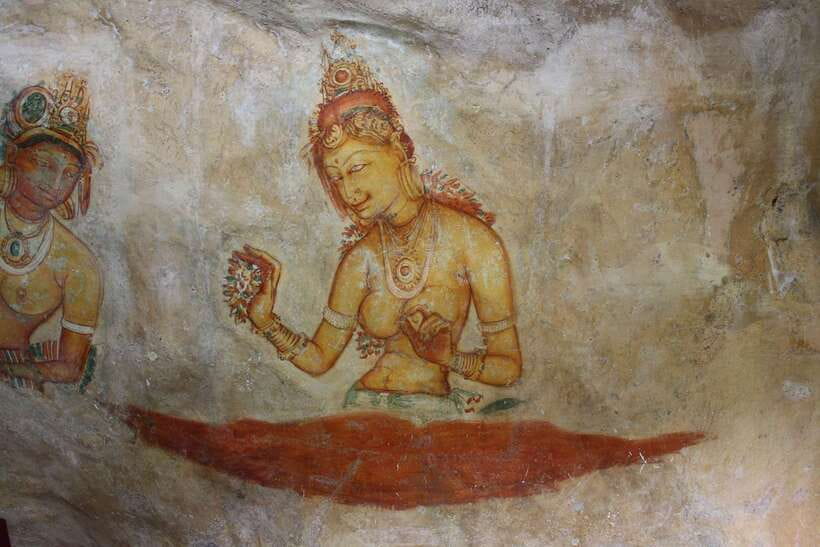
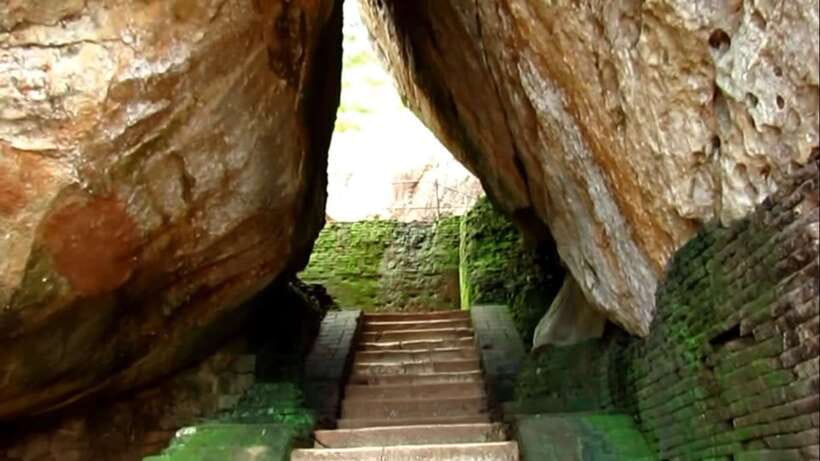
One of the most special stops is the fresco pocket, where you can see paintings associated with 5th-century artisans. These images provide a rare change of pace from stone, earth, and open views. After walking through the gardens and beginning the climb, the painted surfaces bring attention back to the people who created and used this place.
The frescoes are one reason a guide makes sense here. You may notice color and figures first, but the guide can help explain why this sheltered section matters within the wider site. The paintings are also easy to treat as a quick photo stop, so listening before moving on is worthwhile.
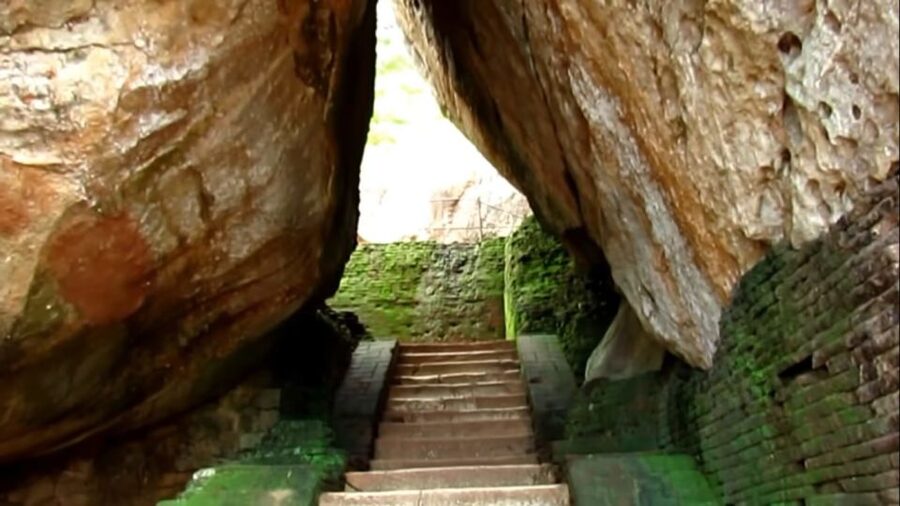
This part of the route may feel more enclosed than the gardens and summit. If you dislike heights or tight stair sections, pay attention to how you feel as the route rises. The tour is not recommended for people with limited mobility, back problems, heart problems, or pregnancy.
More walking tours:
- Galle Fort Walking tour
★ 4.9 · 285 reviews - Galle Fort Walking Tour with a Resident
★ 5.0 · 88 reviews - Colombo Walking Tour with Ajeet De Soyza
★ 5.0 · 43 reviews - Galle Fortt Guided Walking Tour with a Local
★ 4.9 · 33 reviews
Reaching the Lion’s Paw
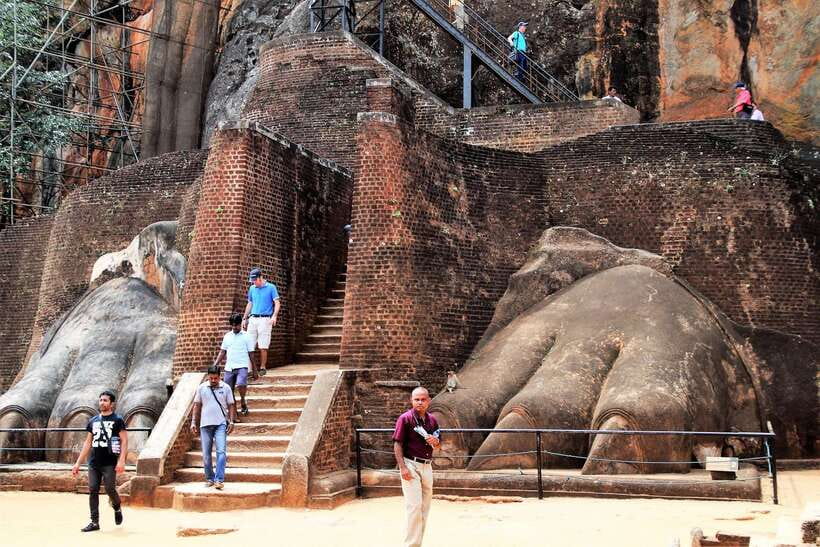
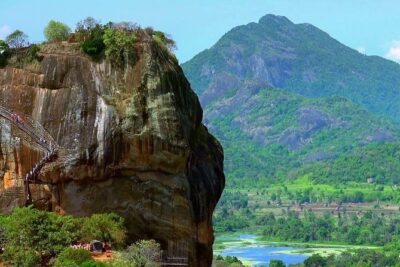
The Lion’s Paw is the most memorable feature on the upper route. The remaining paws and the massive stairway entrance give the rock its familiar name and show how dramatic the approach to the palace once was.
This is a natural point for your guide to pause. The stone remains are not only a photo opportunity. They mark the transition from the lower gardens to the climb toward the summit. You can also use this stop to catch your breath and take in the scale of the rock around you.
Guides have been praised for showing the best places for photographs. That help is useful at the Lion’s Paw because the site offers several ways to frame the stone, stairway, and surrounding views. Kumara, in particular, was praised for taking photos and bringing the experience to life.
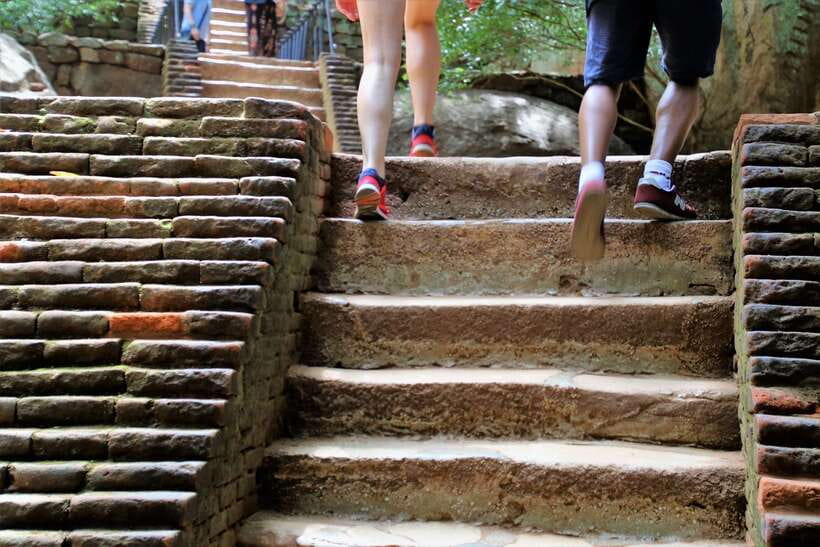
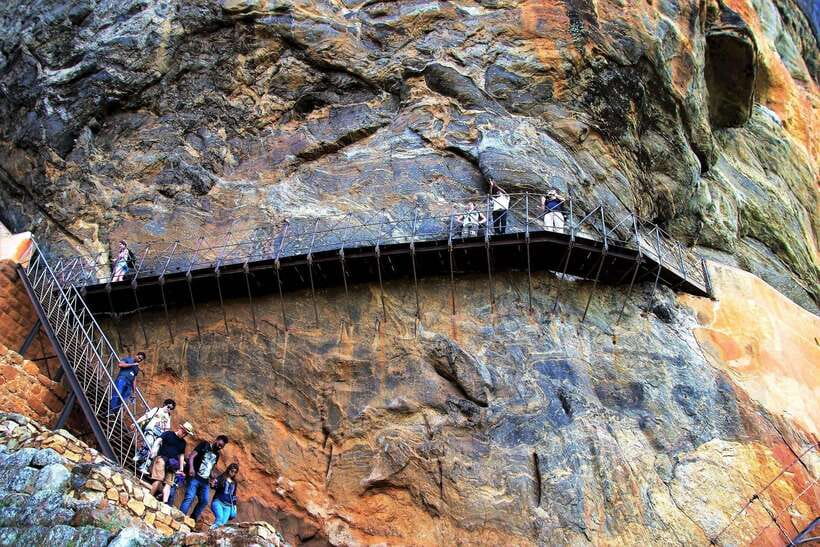
The stairs require steady effort. This is not a casual stroll with one short staircase near the end. You climb around 1,200 steps in total, so pace matters more than speed. Sugath was praised for matching the group’s pace, and that is exactly the kind of support I would want here.
The summit palace and the views
At the summit, you see the remains of the 5th-century palace complex. The ruins include a swimming pool and other constructions spread across the top of the rock. The view is the reward, but the summit ruins deserve time too.
The top helps you understand why Sigiriya was such an ambitious site. You are standing among the remains of a royal complex placed above the surrounding terrain, reached through a long sequence of gardens, stone passages, and stairs. The climb gives the summit a sense of arrival that you would not get from a simple viewpoint.
The views are widely considered the highlight of the experience, and I can see why. From the top, the setting opens out in every direction. The contrast is striking: the lower gardens feel enclosed and designed, while the summit feels exposed, broad, and remote.
Still, do not expect a quiet mountaintop simply because you start early. A 6:00 am start can help with heat and light, but one early departure did not avoid crowds. The site may already be busy at that hour. If your main goal is solitude, an early start is no guarantee.
What the guides add to the walk
The guide is the main reason to choose this experience instead of exploring alone. The route itself is straightforward, but a good guide helps you understand what lies between the famous sights.
Kumara received especially warm praise for being informative, funny, helpful with photos, and attentive throughout the visit. That combination matters on a strenuous walk. Humor keeps the mood light, while practical help makes the climb feel more manageable.
Sugath was praised for detailed information, patient pacing, and pointing out interesting features from one area to the next. He also helped arrange return transport, which can be useful after three hours of walking. Transport arrangements are not listed as a standard inclusion, so treat that kind of help as guide-dependent rather than guaranteed.
Albed was punctual and continued the climb despite moving more slowly. The information was useful at first, though one account found that the explanations became repetitive and included repeated hints about tipping. I would therefore judge the tour as strong but not perfectly consistent. You are paying for a live guide, and the person assigned to you will shape the experience.
The available languages are English, German, and French. Confirm the language you want when checking the tour, especially if the explanation matters as much to you as the sightseeing.
Is $29 good value after the entrance fee?
The advertised guiding price is $29 per person, but you must also pay a $35 entrance ticket at the archaeological site. That brings the basic cost to about $64 per person, before meals and drinks.
At that total, this is not a budget sightseeing stop. Still, the value is reasonable if you want historical explanation, help with the route, a small group, and assistance with photos. The group is limited to four, which is more personal than a large walking party and gives you a better chance to ask questions.
If you are comfortable reading ruins on your own, the extra guiding fee may feel less necessary. If you want context and would rather not work out the site’s sequence alone, the fee makes more sense. The tour also includes a hiking aid, though the exact form of that aid is not specified.
Food and drinks are not included. Bring your own water, since the instructions specifically recommend it. You should also exchange your voucher at the ticket counter before the tour begins, then contact the guide if you cannot find them.
Cancellation is flexible up to 24 hours before the start for a full refund, and you can reserve now and pay later. Those terms are helpful if your Sri Lanka plans are still shifting.
Who should book this Sigiriya tour?
I would choose this tour if you want a compact, guided visit with strong coverage of the major parts of Sigiriya. It suits people who value context, photography help, and a small group more than the absolute lowest price.
It is also a good fit if this is your first visit to the fortress. The route includes the lower gardens, frescoes, Lion’s Paw, and summit ruins, so you get the complete main experience rather than only the view from above.
You should think twice if you dislike steep climbs or struggle with long stairways. The physical demands are clear: 1,200 steps and a kilometer of walking on flat ground. People with mobility impairments, back problems, heart problems, and pregnant women are specifically advised not to take this tour.
A 6:00 am start may work for you if cooler conditions matter. Do not book it solely to avoid crowds. One early visit still found plenty of people at the site.
My verdict on the three-hour climb
I would book this tour if I wanted help making sense of Sigiriya rather than simply reaching the top. The best guides add humor, historical detail, photos, and a steady pace, and the small group size is a real advantage.
The drawbacks are just as clear. The entrance ticket costs more than the tour itself, the climb is demanding, and guide quality can vary. You should also keep tipping expectations in mind and decide in advance what you consider appropriate.
For an active visitor who wants the gardens, frescoes, Lion’s Paw, palace ruins, and wide summit views in one organized walk, this is a practical choice. For anyone who needs an easy archaeological visit, it is the wrong fit.
FAQ
How long does the Sigiriya guided walking tour last?
The tour lasts about three hours.
How many steps must I climb?
The route involves climbing approximately 1,200 steps.
How much walking is on flat ground?
You will walk about 1 kilometer on flat ground as part of the route.
Is the entrance ticket included?
No. The entrance ticket costs $35 per person and must be exchanged at the ticket counter before the tour starts.
What does the $29 tour price include?
The price includes a tour guide and a hiking aid. Meals, drinks, and the entrance ticket are not included.
How many people can join the group?
The group is limited to four participants.
Which languages are available?
Live guiding is available in English, German, and French.
What should I bring?
Bring hiking shoes and water. Large bags and luggage are not allowed.
Is the tour suitable for people with limited mobility?
No. The tour is not recommended for people with limited mobility because of the 1,200 steps and the walking distance. It is also not suitable for people with back problems, heart problems, or for pregnant women.
Can I cancel the tour for a refund?
Yes. You can cancel up to 24 hours before the tour for a full refund. You can also reserve the tour and pay later.
Just added around Sigiriya
- Tour to Dambulla Cave, Sigiriya and Pidurangala Rock from Kandy★ 5.0 · 3 reviews
- Day Tour Kandy to Sigiriya with Dambulla Cave Temple Excursion★ 5.0 · 3 reviews
- Private Day tour from Kandy to Sigiriya, Dambulla & Pidurangala★ 5.0 · 3 reviews
- Colombo: Sigiriya Rock Fortress & Dambulla Cave Temple Tour★ 4.3 · 3 reviews
- Private day tour to Sigiriya and Dambulla from Colombo★ 5.0 · 3 reviews
- Full Day Tour to Sigiriya & Dambulla from Negombo★ 5.0 · 3 reviews
- From Colombo: Sigiriya and Dambulla Full-Day Private Tour★ 3.4 · 3 reviews
- Half Day – Minneriya National Park Safari Tour From Habarana/Sigiriya★ 3.5 · 3 reviews
Sigiriya Rock Tours, compared.

Organic cooking class sigiriya (kumara & family)
Read our review →
Kandy to Sigiriya Day Tour and Dambulla cave temple with private vehicle
Read our review →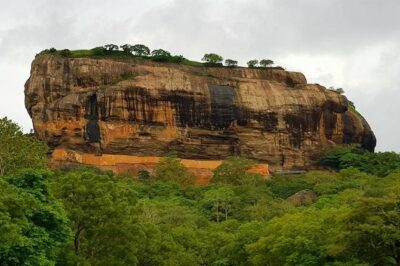
Private Day Trip to Sigiriya & Dambulla from Kandy – Aaliya Tours
Read our review →Browse the lists this tour appears in