
Reviewed · WALKING TOURS
Nandana Tea Walking Tour in Sri Lanka
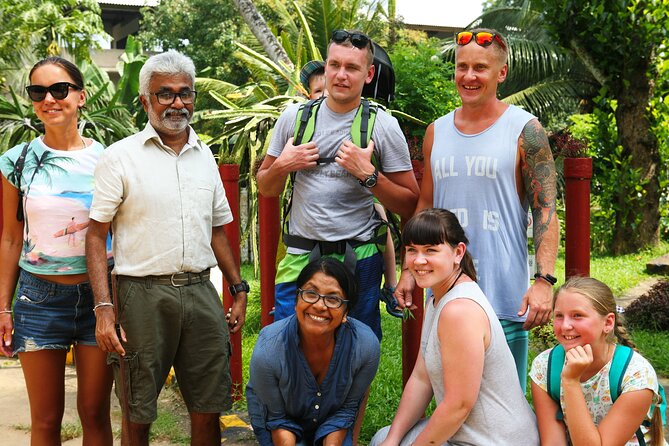
Tea tells a bigger Sri Lankan story. At Nandana Tea Factory near Akuressa, you get more than a quick look at machinery: you walk through a herbal garden, see how orthodox black tea is made, taste several varieties, and meet a family business built around old local traditions. I especially like the hands-on factory visit and the chance to taste seven different teas side by side. The warm hospitality also comes through clearly, with the owner and staff often spending real time explaining plants, production, and food.
The main drawback is location and timing. Nandana sits in Sri Lanka’s Southern Province, not beside the country’s best-known hill-country tea towns, so reaching it takes planning. The visit lasts about two hours, and lunch is optional rather than included in the $78 price. You should also leave room in your schedule for a relaxed stop, since rushing through the garden would miss much of the point.
In This Review
- Key points before you book
- Why Nandana feels different from a standard tea stop
- Starting in the herbal garden
- Seeing orthodox tea made in an old factory
- The seven-cup tasting that makes the process click
- An optional Sri Lankan meal under banana or lotus leaf
- What the $78 price gives you
- Getting there and planning your visit
- Who will enjoy Nandana most
- Should you book the Nandana Tea Walking Tour?
- FAQ
- Where does the Nandana Tea Walking Tour begin and end?
- How long does the experience last?
- What is included in the tour?
- Is lunch included?
- How many people can join the tour?
- What are the opening hours?
- Can I cancel for a refund?
Key points before you book
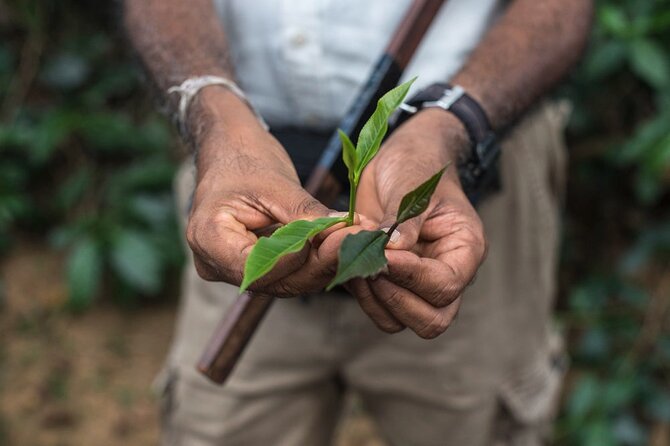
- Seven tea samples: The tasting helps you notice the difference between small and large leaves and several tea styles made at the factory.
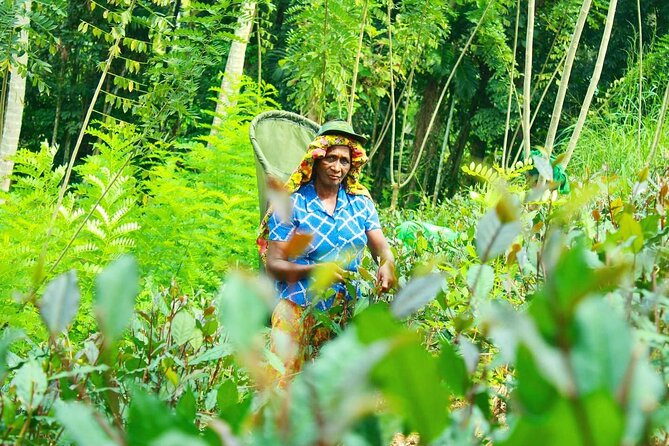
- A garden before the factory: You visit Ayurvedic herbs, spices, and tea plants before seeing how the leaves are processed.
- A genuine family operation: Nandana is not presented as a huge industrial estate. Its appeal comes from personal guiding and a working local business.
- A glass of iced tea included: You receive iced tea during the garden visit, a welcome touch in Southern Sri Lanka’s warm weather.
- Optional banana or lotus leaf meal: An organic home-cooked Sri Lankan meal can be added, but lunch is not part of the listed price.
- Small groups: The activity allows a maximum of 10 people, which suits visitors who prefer questions and conversation over a large scripted tour.
Why Nandana feels different from a standard tea stop
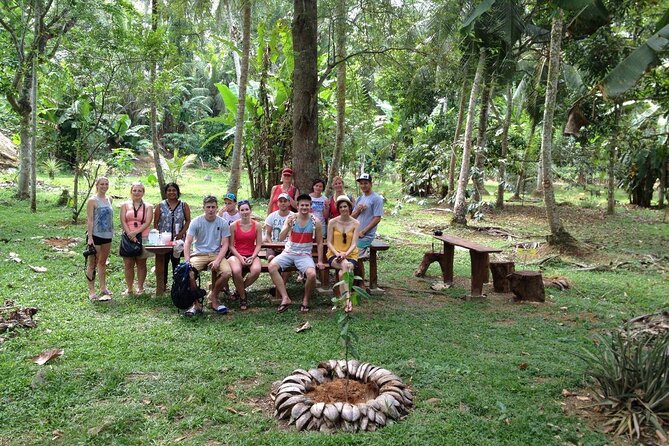
Many tea visits follow a familiar pattern: walk through a factory, buy a packet, and leave. Nandana offers a wider view of the subject. Tea is linked here with medicinal plants, spices, tropical vegetation, local food, and the family history of the business.
That combination matters. You do not only learn that leaves are dried, rolled, and sorted. You also see tea as part of a living Southern Sri Lankan setting. The factory sits in Akuressa, near the Nilwala Ganga, also called the Blue River, in a region known for fishing, paddy cultivation, plant life, and older architectural traditions.
The tea story in this part of Matara district goes back to the early 20th century. D. A. Wanigasekara, one of the area’s early tea planters, entered tea production in 1910. That background gives the visit a useful local frame. Tea is often associated with the misty central highlands, but Nandana shows that the crop and its culture also belong to the south.
I would choose this experience if you want context and personal contact, not just a photograph beside a tea sign. The setting seems especially suited to people who enjoy gardens, food, plants, and small businesses with a clear human face.
More walking tours:
- Galle Fort Walking tour
★ 4.9 · 285 reviews - Galle Fort Walking Tour with a Resident
★ 5.0 · 88 reviews - Colombo Walking Tour with Ajeet De Soyza
★ 5.0 · 43 reviews
Starting in the herbal garden
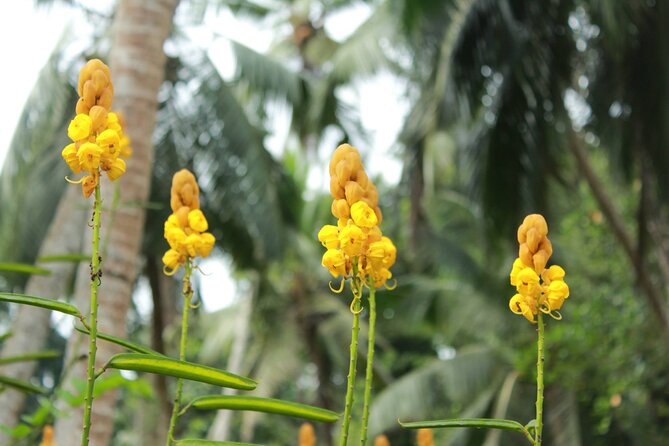
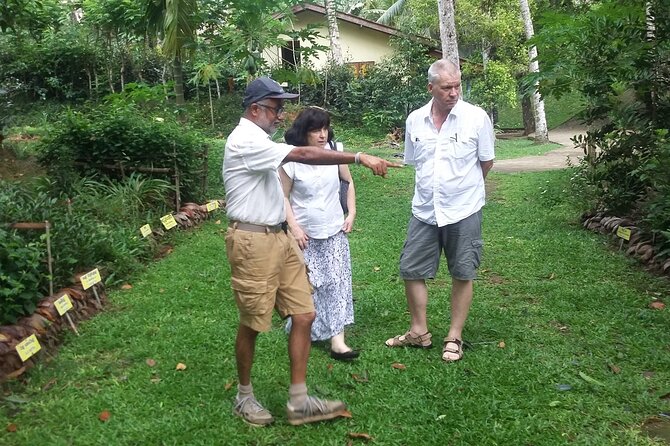
The visit begins outside the factory, in a garden filled with Ayurvedic herbs and other plants associated with Sri Lanka. The guide explains how plants are used, and you may be able to smell or taste some of them. The garden also includes spices used to bring flavor to tea.
This is one of the strongest parts of the experience because it gives you something to do with your senses. You are not simply listening to a list of plant names. You can look closely at leaves, notice their scents, and connect them with traditional uses.
One particularly kind detail came from a reported visit in which a staff member applied aloe vera to a visitor’s sunburn. That is not a promised part of the tour, but it captures the helpful, informal spirit associated with Nandana. Do not count on a treatment, yet you can expect the plant walk to be more personal than a formal botanical display.
A glass of iced tea is included during the garden visit. In the heat of the south, that small refreshment has practical value. It also lets you taste tea before you study how it is processed.
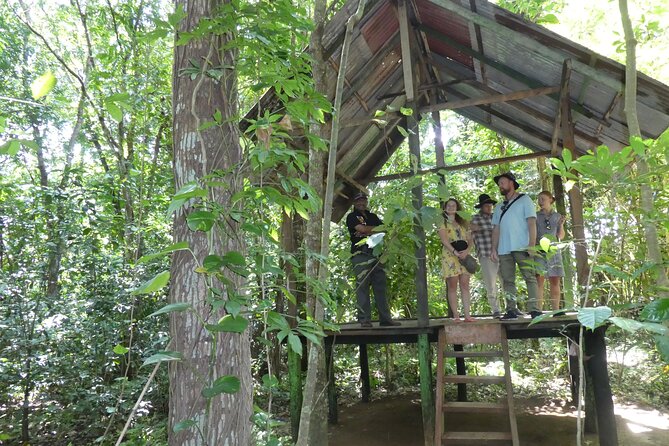
The grounds can feel surprisingly wild in places. A short walk through a jungle-like area is part of some versions of the experience, and monkeys have been seen around the property. The exact route may vary, so I would treat this as a pleasant possibility rather than a guaranteed wildlife encounter.
Wear shoes that can handle garden paths and uneven ground. The supplied information does not promise a paved route, and a factory garden is a different setting from a city museum. Light clothing, sun protection, and water are sensible choices, though the iced tea is a welcome start.
Seeing orthodox tea made in an old factory
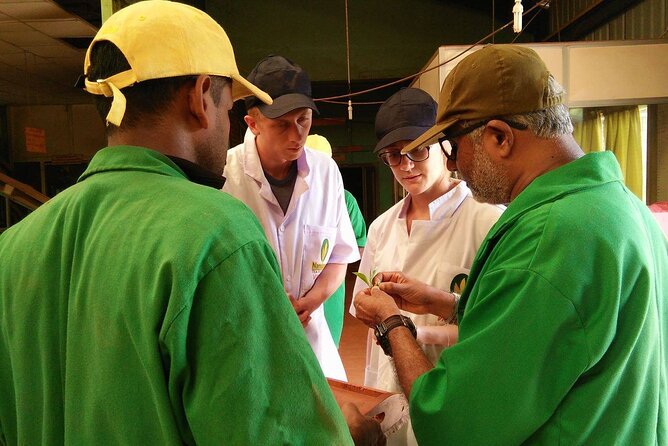
After the garden, you move into the tea factory. Nandana produces premium orthodox black tea and keeps older production methods at the center of the visit. The factory is described as an old or ancient building, which gives the stop more character than a polished modern attraction.
The point of the factory tour is to follow the leaf through its stages. You can expect explanations of how tea plants differ and how the leaves are processed before they reach your cup. The visit helps answer a simple question many tea drinkers never consider: how does a fresh leaf become the dry tea used at home?
The factory does not appear to be a giant commercial estate. It is a family business with the production area attached to a spice garden. That scale is part of its appeal. You may see a working place rather than a display built only for sightseeing.
I like the chance to compare large and small leaves here. Leaf size affects the character of the finished tea, and seeing the difference in front of you makes the later tasting more useful. Ask questions as you go. The group limit of 10 people should make that possible, especially if your party is small.
The guide can make a large difference. The owner has personally led visits, and guides named in the supplied comments include Gunasoma, Manshijt, ChoopoolMandrit, and a young guide praised for explaining the plants in English. The details suggest a personal tour, not a fixed audio track. English guiding is specifically noted in one account, but you should confirm your preferred language when booking if that matters.
A small caution: the advertised experience lasts about two hours, so you will not receive a full technical course in tea manufacture. The factory stop is designed to make the process understandable and memorable, not to cover every commercial detail. If you already work in the tea trade, you may want something more specialized.
The seven-cup tasting that makes the process click
The tasting is where the visit comes together. You receive seven types of tea made at Nandana, giving you a chance to compare aroma, color, leaf size, and taste.
I would slow down here. Instead of treating the tasting as a quick drink before shopping, look at each cup and notice how different leaves create different results. The experience is useful even if you usually add milk or sugar to tea, because it gives you a better idea of the base flavor.
The tasting also makes the factory walk easier to remember. After seeing how leaves are handled, you can connect the production stages with what reaches your cup. A tea visit without tasting can feel theoretical. Here, you get a direct result.
Several accounts describe the tea as a highlight, with visitors buying multiple varieties afterward. That does not mean you need to purchase anything. The tasting is part of the experience, and buying tea should be based on what you genuinely like.
There is also a useful financial detail. If you buy tea at the end, purchases up to $39 are advertised as free. I would ask the staff to explain exactly how that credit works before paying, especially if you plan to buy more than that amount. The offer can improve the value of the $78 tour, but it is worth confirming whether the benefit applies to selected products, the total bill, or another condition.
The tea shop element is the one place where you should keep your judgment. Friendly hospitality and a good tasting can make you want to buy everything. Sample first, decide later, and choose varieties you can identify by taste rather than simply collecting attractive packets.
A completely different kind of day out from Southern Province:
- Private Tour : YALA National Park with Experienced Driver and Guide
★ 4.5 · 66 reviews - Yala National Park Safari : Special Guided Tour
★ 5.0 · 57 reviews - Sinharaja’ rainforest – Discovery Tour (half day)
★ 5.0 · 21 reviews - Yala National Park Safari – Private Tour
★ 5.0 · 14 reviews
An optional Sri Lankan meal under banana or lotus leaf
Nandana also offers an organic home-cooked meal served wrapped in banana or lotus leaf. This is optional, and lunch is not included in the stated price, so ask about the cost and availability before you arrive.
The serving style is a meaningful part of the experience. Banana and lotus leaves are not just decorative plates. They connect the meal with local habits and make a simple lunch feel tied to the place.
Food quality and cleanliness received strong praise in the supplied comments. The eating area was described as clean and air-conditioned, which could be welcome after the garden walk and factory visit. Some people also received ice cream, but that should be treated as extra hospitality rather than a standard inclusion.
If you have time, the meal may make the $78 outing feel more complete. It turns a tea lesson into a broader introduction to local food and customs. If you are on a tight schedule, you can skip it and keep the visit close to its two-hour duration.
Because lunch is not included, budget carefully. The listing includes coffee or tea, specifically a glass of iced tea during the garden tour, but not a full meal. That distinction is easy to miss when the experience is described with food photographs or enthusiastic descriptions.
What the $78 price gives you
At $78, this is not the cheapest way to drink tea in Sri Lanka. You are paying for a guided visit, factory access, the garden walk, the tea tasting, and the time of a small family operation. The value depends on how much you want to learn and how easy Nandana is to reach from your route.
The price looks stronger if you use the tea purchase offer. Up to $39 in tea purchases is advertised as free, which could cut the effective cost for someone already planning to bring tea home. Confirm the terms in person, since the supplied details do not explain the exact mechanics.
The small group limit also matters. A maximum of 10 people gives the guide more room to answer questions and adjust the pace. Personal attention is especially valuable in the herb garden, where a large group could easily crowd around plants or miss the explanations.
I would not book this only for a factory photograph. If you want the lowest possible cost, a tea shop or short roadside stop will be cheaper. If you value a local guide, a proper tasting, plant knowledge, and an optional meal, the price becomes easier to justify.
Getting there and planning your visit
The meeting point is Nandana Tea Factory in Akuressa, postal area 81400, Southern Province. The activity begins and ends at the factory, so you need to arrange your own way there unless your wider Sri Lankan itinerary already includes transport.
The listed operating hours are Monday through Sunday, 9:30 AM to 4:30 PM. A daytime visit makes sense because the garden is part of the experience. Allow extra time around the two-hour tour if you plan to eat, shop, or ask detailed questions.
The factory is near public transportation, but the supplied information does not give a route, fare, or travel time. Check the route from your hotel or driver before booking. Akuressa may fit naturally into a southern Sri Lanka itinerary, but it is not automatically convenient from every coastal resort or hill-country base.
The activity has mobile ticketing, and confirmation normally arrives at booking. If you reserve within five hours of the start time, confirmation comes as soon as possible, subject to availability. I would avoid making a last-minute booking if your day depends on a fixed departure.
The tour requires good weather. If poor weather forces cancellation, you can receive another date or a full refund. You can cancel for a full refund up to 24 hours before the start time. Inside that 24-hour window, refunds are not available, and changes are not accepted.
Service animals are allowed, and most people can take part. The supplied details do not promise full wheelchair access or describe every surface, so ask directly if mobility is a concern.
Who will enjoy Nandana most
I would recommend Nandana to people who like learning through several senses. The garden, factory, tasting, and meal option create a rounded visit, and each part supports the next.
It suits:
- Tea drinkers who want to understand production rather than simply buy a packet
- People interested in Ayurvedic herbs and Sri Lankan spices
- Visitors who prefer a small family business to a large commercial attraction
- Food-focused visitors who want an optional home-cooked meal
- Families and mixed-age groups, since most people can participate and the visit is fairly short
- Anyone with a spare half-day near Akuressa
It may be less suitable if you want a full estate hike, a long mountain view, or an intensive industrial tour. The experience focuses on the factory, garden, and tasting, not a grand highland plantation circuit.
The two-hour length is a useful compromise. It is long enough to cover several parts of tea culture without taking an entire day. Still, the optional meal and shopping can stretch your visit, so do not schedule a tight connection afterward.
Should you book the Nandana Tea Walking Tour?
Book it if you want personal guiding, a seven-tea tasting, and a garden visit in one stop. The combination is more rewarding than a factory-only tour, and the family-run setting gives the experience a friendly, local feel.
I would especially consider it if you are already near Akuressa or can include it in a southern Sri Lanka route. The $78 price is easier to defend when you value the included tasting and may use the advertised tea purchase benefit. Add the meal only if you have time and confirm its extra cost first.
Skip it if reaching the factory would require a major detour or if you only want a quick cup of tea. For everyone else, Nandana offers a thoughtful look at tea, plants, food, and hospitality in a part of Sri Lanka that many visitors pass by.
FAQ
Where does the Nandana Tea Walking Tour begin and end?
The tour begins at Nandana Tea Factory in Akuressa, Sri Lanka, and ends back at the same meeting point.
How long does the experience last?
The listed duration is approximately two hours.
What is included in the tour?
Admission to the experience and coffee or tea are included. You can enjoy a glass of iced tea during the garden tour.
Is lunch included?
No. Lunch is not included in the $78 price. An organic home-cooked meal served in banana or lotus leaf is available as an optional addition.
How many people can join the tour?
The activity accepts a maximum of 10 participants.
What are the opening hours?
The factory is listed as open Monday through Sunday from 9:30 AM to 4:30 PM.
Can I cancel for a refund?
You can cancel at least 24 hours before the start time for a full refund. Cancellations or changes made less than 24 hours before the experience are not refunded or accepted. If poor weather causes the activity to be canceled, you will be offered another date or a full refund.
Just added around Southern Province
- Yala National Park Safari | Jeep with Tickets★ 5.0 · 3 reviews
- Best Yala Shared Leopard Safari: Tissamaharama Wildlife Tours★ 5.0 · 5 reviews
- Private Transport Service from Sri Lanka★ 5.0 · 7 reviews
- Full Day Safari Tour Yala★ 5.0 · 7 reviews
- Half Day trip in Yala National Park★ 5.0 · 8 reviews
- Dediyagala Village Tour(from Galle, Mirissa, Ahangama, Matara)★ 5.0 · 8 reviews
- Guided Leopard Safari in Yala National Park in a Land Rover Defender★ 5.0 · 11 reviews
- Yala National Park Full Day Safari Tour★ 5.0 · 11 reviews
Walking Tours, compared.

Sigiriya: Rock Fortress Private Guided Walking Tour
Read our review →
Galle Fort Heritage Walk by a Certified Heritage Interpreter
Read our review →
Browse the lists this tour appears in