
Reviewed · WELIGAMA TOURS
Weligama: Pottery Workshop with Tea and Snacks
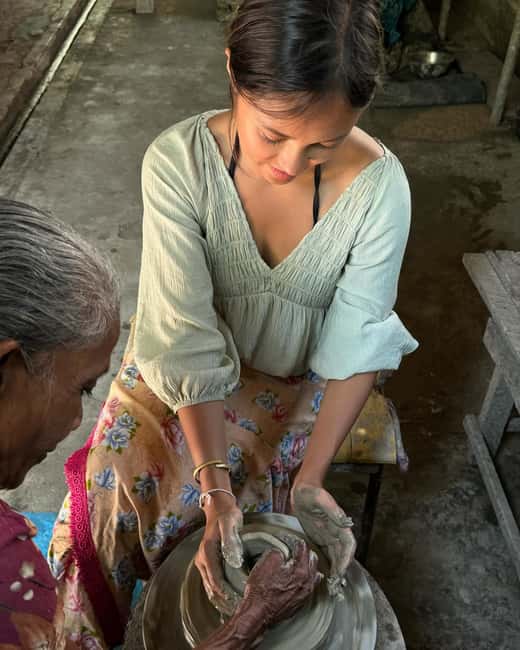
Clay tells a local story. This 2.5-hour workshop in Kotapola, near Weligama, takes you into a family potter’s home, where you learn how Sri Lankan pottery is made and try the wheel yourself. I like the genuine family setting and the chance to spend real time shaping clay, rather than simply watching a demonstration. I also like the tea, sweetmeats, and handmade pottery souvenir included in the price.
The main consideration is that this is not a modern Western-style studio. There is no instant firing, glazing, or polished shop setup. Your own piece may not be finished for you to take home, although the master potters provide a piece of their work as a souvenir.
In This Review
- Key details before you book
- A family home instead of a polished studio
- Meeting at Kumbalgama Railway Station
- Preparing clay and learning the pottery tradition
- Taking your turn on the traditional wheel
- What happens to your own pottery
- Tea and Sri Lankan sweetmeats after the clay
- A thoughtful option for children
- Is $40 good value?
- Who will enjoy this workshop most?
- Booking, timing, and practical expectations
- Should you book the Weligama pottery workshop?
- FAQ
- Where does the pottery workshop begin?
- How long does the experience last?
- Is the pottery workshop held in a modern studio?
- Can I make my own piece on a potter’s wheel?
- Can I take home the piece I make?
- Are tea and snacks included?
- Can children take part?
- Is the activity wheelchair accessible?
Key details before you book
- Traditional home workshop: Meet a family of potters in their private home, not a commercial craft school.
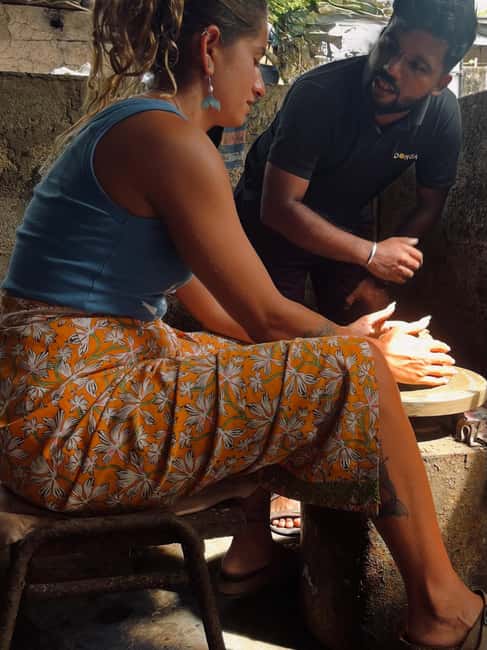
- Hands-on wheel time: Learn to prepare clay and shape your own vessel on a traditional potter’s wheel.
- Two and a half hours: The experience includes about two hours of pottery and 30 minutes for tea and local sweetmeats.
- A handmade souvenir included: You receive a piece made by the master potters, while extra pottery purchases cost more.
- Good for private groups: The experience is arranged for a private group and can suit families, couples, and small parties.
- Kids have their own activity: Children can paint small pots, though babies under one year are not accepted.
A family home instead of a polished studio
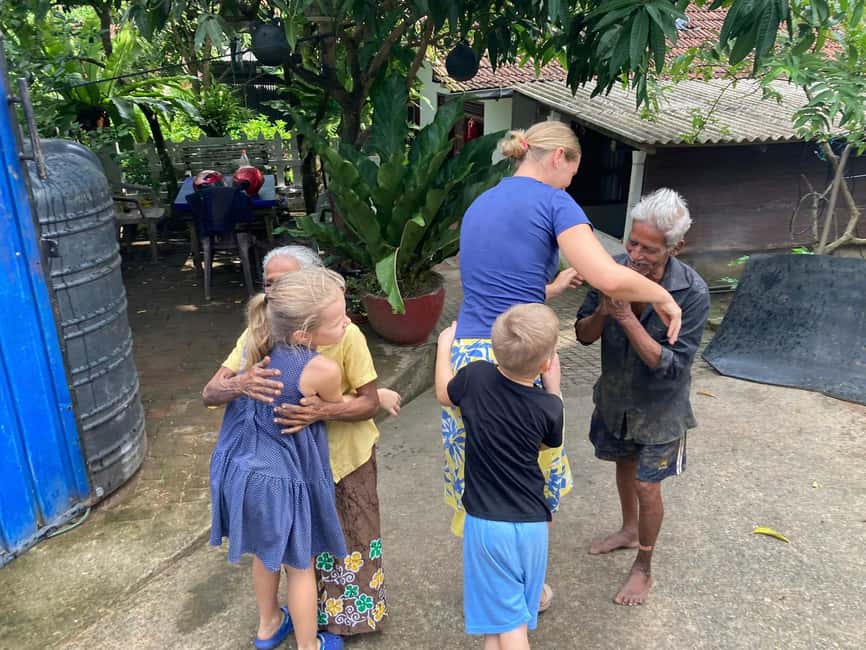
The first thing to understand is the setting. You meet a representative at Kumbalgama Railway Station, then go to a traditional potter’s home for the workshop. The hosts are a couple who have worked with clay since their teenage years, so the lesson grows from family practice rather than a scripted tourist demonstration.
I consider that a major part of the experience. A modern studio can be tidy and easy to use, but it can also keep the craft at arm’s length. Here, you get a closer look at pottery as part of everyday work and family life in Sri Lanka.
That setting also explains the practical warning about standards. You should not expect rows of spotless wheels, display shelves, professional aprons, or a finished product at the end. Come ready for an authentic working environment, where the focus is on meeting the potters, learning the process, and trying the craft.
The hosts are described as warm, open, and friendly. English is available, and French is also listed as an instruction language. One particularly useful detail from the feedback is that the English-speaking guide explained the subject clearly and also connected pottery to Sri Lankan culture and history.
A few more tours worth weighing up
- Ella: Traditional Sri Lankan Cooking Class
★ 4.9 · 788 reviews - Organic cooking class sigiriya (kumara & family)
★ 5.0 · 650 reviews - Sri Lanka Cooking Class with Granny
★ 5.0 · 587 reviews
Meeting at Kumbalgama Railway Station
The experience begins at Kumbalgama Railway Station, where a representative from the host meets you. This is important because you should not simply arrive at the station and assume the workshop is directly beside it. Look for the host’s representative and have your booking details ready.
The station meeting point gives the activity a clear starting place, but the available information does not say that transport from your hotel is included. You should plan your route to Kumbalgama Railway Station yourself unless the host gives you different instructions after booking.
The whole outing lasts 2.5 hours. That makes it easy to fit into a day around Weligama, especially if you want an activity that does not take up an entire morning or afternoon. Still, allow extra time for getting to and from the meeting point, since the stated duration covers the workshop and snack time rather than your wider journey.
Preparing clay and learning the pottery tradition
The workshop begins with an explanation of how pottery is made. You learn about preparing clay for the wheel and about kilning, which gives you a better sense of the work behind the finished bowls, cups, and vessels you see in Sri Lanka.
This introduction matters because throwing clay is harder than it looks. The wheel spins, the clay moves quickly, and a small change in pressure can alter the shape. Learning the preparation process first helps you understand why good pottery requires patience and practiced hands.
The hosts also explain the history and traditions of pottery in Sri Lanka. This is not presented as a detached museum lecture. It comes directly from people who have practiced the craft for much of their lives and who want the next generation, including their grandchildren, to keep it going.
I like that the activity connects the practical lesson to the family’s future. Your payment is not only buying a short creative session. It also helps local potters earn a better income and encourages younger family members to see pottery as a skill worth preserving.
Taking your turn on the traditional wheel
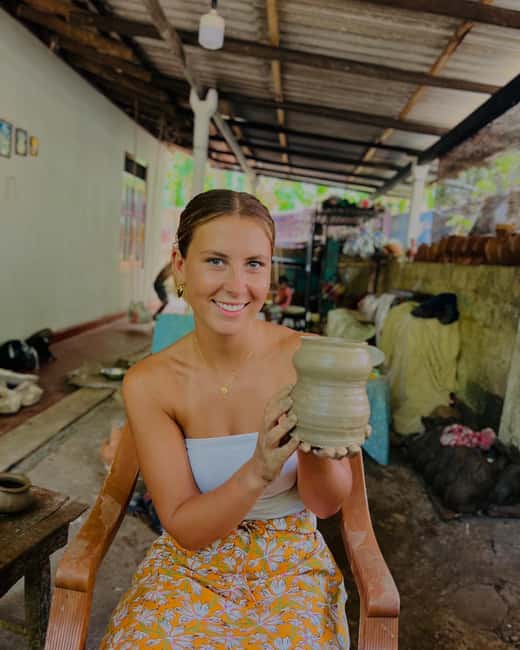
The central part of the workshop is your time at the potter’s wheel. You sit down, work with the clay, and try to form your own piece under the guidance of the potters.
You may create more than one vessel if the session allows and your hands begin to cooperate. One person described having time to make several vessels, while another praised the chance to practice without feeling rushed. That is good news for beginners, since your first attempt may look more like a clay accident than a cup.
Do not judge the activity by the shape of your first piece. The point is to feel how the clay responds and to understand the control required by an experienced potter. The wheel gives you a direct connection to the craft that a short demonstration cannot provide.
The explanations are clear and practical. You can ask questions, watch the hosts correct your technique, and keep practicing. The private-group format should make the experience feel more personal than a large class, though the exact number of people in each booking is not specified.
Wear clothing you do not mind getting dirty. The activity involves clay and hands-on work, and the setting is a working potter’s home rather than a formal studio. The supplied information does not list protective clothing or cleanup facilities, so practical clothes are the sensible choice.
A completely different kind of day out from Sri Lanka:
- Colombo: Private Tuk-Tuk City Tour with All Entry Fees
★ 4.9 · 2,154 reviews - Udawalawe National Park | Private Safari Tour
★ 5.0 · 1,499 reviews - Kandy Private Guided City Tour by Tuk Tuk
★ 4.9 · 1,307 reviews - Whales and Dolphins Watching-Luxury Super Grade Cruiser(Hotel Pick up offered)
★ 5.0 · 1,268 reviews
What happens to your own pottery

Here is the detail that can affect your expectations: your own piece is not glazed or instantly fired during the workshop. You should not expect to walk away with the vessel you shape on the wheel.
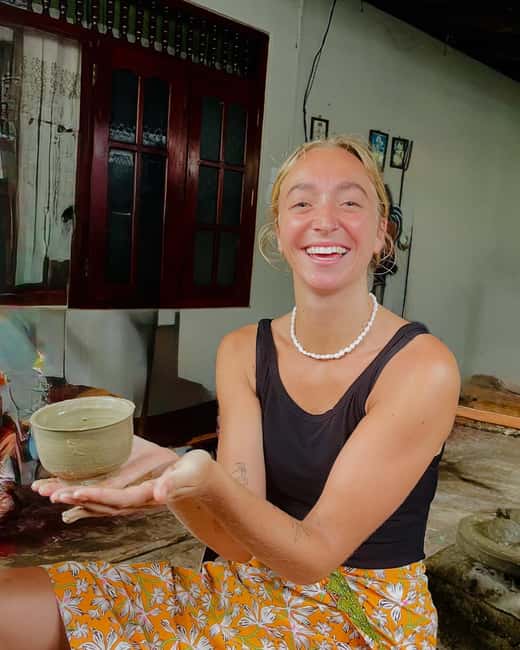
Instead, the master potters provide you with a piece of pottery they have made. This is included in the experience and gives you a finished reminder of the visit. You can also make personal purchases of pottery if you want more pieces, but those purchases are not included in the $40 price.
Some people may find the lack of instant firing disappointing, especially if they have attended a Western pottery class where a finished item arrives later. I see it differently, as long as you understand the arrangement before booking. The workshop is about learning the process and supporting the potters, while the included souvenir lets you take home a properly made object.
If owning your own finished creation is your main reason for booking, this may not be the right class. If you care more about the activity, the family connection, and a direct look at local pottery, the limitation is easier to accept.
Tea and Sri Lankan sweetmeats after the clay
After roughly two hours of pottery, you sit down for tea and local sweetmeats. This final 30 minutes gives the workshop a relaxed ending and lets you talk with the organiser.
The food is not an extra restaurant stop or a formal tasting menu. It is a simple act of hospitality in the family setting, which suits the character of the experience. Tea and sweetmeats also give you a chance to let your hands rest after working at the wheel.
That conversation can be one of the most worthwhile parts of the afternoon. The guide can explain more about Sri Lanka and the pottery tradition, and the informal setting makes it easier to ask questions. One person especially appreciated the chance to talk with the organiser after the workshop, calling the welcome warm and personal.
If you prefer a fast activity with no social time, the snack period may feel slow. I think the pause is useful. It changes the workshop from a simple craft lesson into an introduction to a family and its work.
A thoughtful option for children
Children receive paint to decorate their own mini-pots. This gives younger participants something immediate and manageable to do, especially if working on the full-size wheel proves difficult.
The activity is not suitable for babies under one year, and very young children may need close supervision. The information provided does not specify an age range beyond that restriction, so families should use their own judgment about whether a child can manage a clay-based activity.
For older children, the workshop can work well because it combines a physical activity with a local cultural lesson. They can see where pottery begins, try shaping clay, and then decorate a small pot. It is more memorable than buying a finished souvenir without seeing how it was made.
Adults should still expect the workshop to be designed around traditional pottery rather than a children’s entertainment program. The family setting and slower pace may suit curious children best.
Is $40 good value?
At $40 per person, this is not the cheapest way to spend a few hours in Sri Lanka. The price makes more sense when you count what is included: instruction, an explanation of the pottery tradition, clay preparation, time on the wheel, tea, local sweetmeats, and a handmade piece from the master potters.
You are also paying for a private-group experience and direct support for a local family business. That matters here because the stated aim is to help the potters earn a better income and encourage the younger generation to continue the craft.
The value depends on what you want. If you only want a souvenir, you could likely spend less at a pottery shop. If you want a personal activity with time to practice and talk with the makers, the cost is easier to justify.
I would compare it with the price of other organised experiences in the Weligama area, while remembering that this is not designed as a luxury studio session. You are paying for access to the family, the teaching, and the chance to support an ongoing tradition.
Who will enjoy this workshop most?
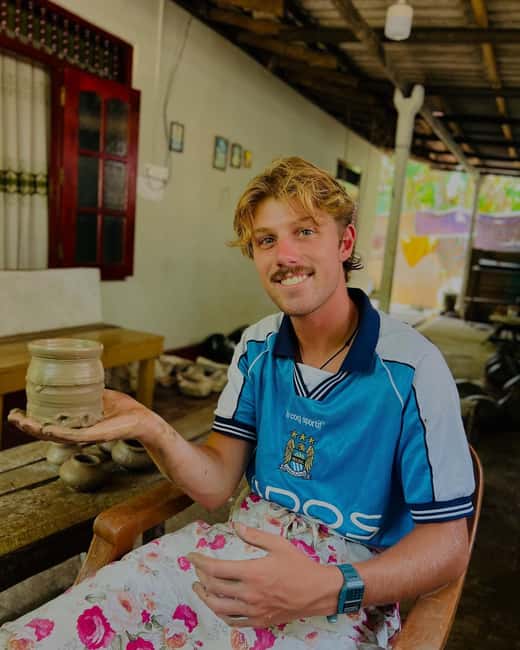
I would recommend this activity to you if you like meeting local people, trying a practical skill, and accepting a little imperfection. It suits couples, families with older children, and small private groups looking for something quieter than a standard sightseeing stop.
It is also a good choice if you want cultural contact without committing to a full-day excursion. The 2.5-hour schedule leaves room for other plans, and the private format gives you a more personal encounter.
You may want to skip it if you need a modern studio, professional equipment, a kiln-fired object made during the class, or a highly polished presentation. The hosts are experienced, but the setting is a working family home. That is the point for some people and the wrong fit for others.
The activity is wheelchair accessible according to the provided information. Since the workshop takes place in a traditional home, you should still confirm any specific access needs with the host before arriving.
The instructors speak English and French. That makes the history and technical explanations easier to follow, particularly if you want more than a simple demonstration.
Booking, timing, and practical expectations
You can cancel up to 24 hours in advance for a full refund, and the reserve-now-pay-later option lets you hold a place without paying immediately. Starting times depend on availability, so check the schedule before building the rest of your day around it.
The host’s representative meets you at Kumbalgama Railway Station. Keep the meeting point clear in your plans, and allow enough time to reach it. The available details do not confirm hotel pickup, so do not assume that transport is part of the booking.
Weapons, sharp objects, alcohol, drugs, fireworks, explosive substances, nudity, and see-through clothing are not allowed. These rules are straightforward and fit the family setting.
The activity has a perfect 5.0 rating from seven verified bookings, with praise focused on the friendly welcome, clear English, cultural explanations, generous practice time, and personal atmosphere. The strongest pattern is simple: people value the chance to meet the family and learn pottery in a real home.
Should you book the Weligama pottery workshop?
Book this workshop if you want an authentic, hands-on afternoon and are happy to trade studio polish for family hospitality. The wheel time, local explanations, tea, and handmade souvenir create good value for someone who wants a closer look at Sri Lankan craft.
Skip it if you need to take home the exact pot you make or if you expect glazing and firing on the same day. For everyone else, this is a thoughtful way to support local artisans, try something new, and leave with a better understanding of the work behind Sri Lankan pottery.
FAQ
Where does the pottery workshop begin?
The meeting point is Kumbalgama Railway Station, where a representative from the host will meet you.
How long does the experience last?
The full experience lasts 2.5 hours. About two hours are set aside for the pottery workshop, followed by 30 minutes for tea and local sweetmeats.
Is the pottery workshop held in a modern studio?
No. It takes place in a traditional potter’s home. You should not expect a Western-style pottery studio.
Can I make my own piece on a potter’s wheel?
Yes. You learn about clay preparation and have hands-on time shaping clay on a traditional potter’s wheel.
Can I take home the piece I make?
Glazing and instant kilning are not available, so your own piece may not be finished for you to take home. A piece made by the master potters is included as a souvenir.
Are tea and snacks included?
Yes. The experience includes tea and local sweetmeats after the pottery session.
Can children take part?
Children are provided with paint to decorate mini-pots. The experience is not suitable for babies under one year.
Is the activity wheelchair accessible?
Yes, the activity is listed as wheelchair accessible. You can also receive instruction in English or French, and the group type is private.
Just added around Sri Lanka
- High-Grown Tea & Waterfall Wonders of Nuwara Eliya by tuktuk★ 5.0 · 3 reviews
- Nuwara Eliya: Tea Factory and Victoria Park Tour by Tuk Tuk★ 3.4 · 3 reviews
- Evening Tour at the Last Kingdom of Sri Lanka, Kandy★ 5.0 · 3 reviews
- Mirissa/Galle/Hikkaduwa: Transfer to Ella & Udawalawa Safari★ 5.0 · 3 reviews
- Tour to Dambulla Cave, Sigiriya and Pidurangala Rock from Kandy★ 5.0 · 3 reviews
- Minneriya: Minneriya National Park Private Jeep Safari★ 4.4 · 3 reviews
- Day Tour Kandy to Sigiriya with Dambulla Cave Temple Excursion★ 5.0 · 3 reviews
- Private Day tour from Kandy to Sigiriya, Dambulla & Pidurangala★ 5.0 · 3 reviews
Weligama Tours, compared.

Surf & Stay – Private Surf Lesson Experience in Weligama
Read our review →



From Mirissa/ Weligama : Udawalawe Safari – Day Trip
Read our review →
From Galle/Weligama/Mirissa/Matara: Day Trip to Sinharaja
Read our review →
Mirissa/Galle/Hikkaduwa: Transfer to Ella & Udawalawa Safari
Read our review →Browse the lists this tour appears in