
Reviewed · GEM & JEWELLERY WORKSHOPS
Ahangama: Traditional Jewellery Making Workshop
Jewellery becomes a better souvenir when you make it. This one-day workshop in Kotapola gives you hands-on time with a Sri Lankan artisan, Tharindu, as you shape metal into a personal keepsake. I like the careful teaching and the chance to handle real tools, and I also like that you take home a complimentary silver ring. The main drawback is the hard-to-find meeting point, since the workshop is at the artisan’s home and you must arrange your own transport.
The workshop suits adults and older children who enjoy making things rather than simply buying them. You do not need prior experience, and the private-group format should make it easier to ask questions. Just note that gemstones cost extra, and the information about wheelchair access is not fully consistent, so contact Ceylon Eco Love Tours before booking if access is important.
In This Review
- Key points to know before you book
- Why making a ring beats buying another souvenir
- Arriving at the artisan’s home in Kotapola
- Learning what Sri Lankan jewellery means
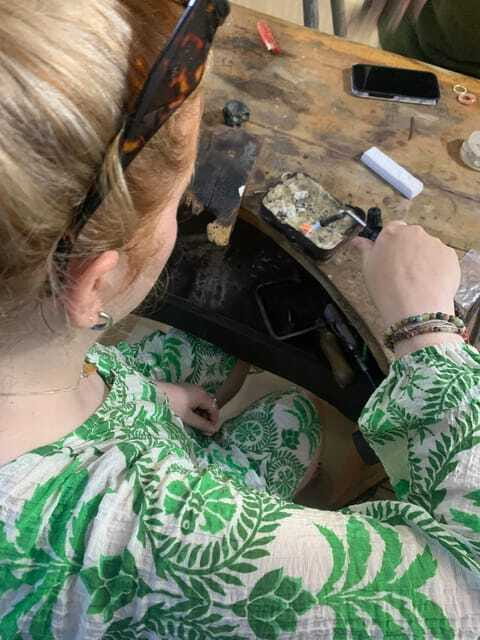
- The tools and techniques you get to try
- Choosing your design and adding a stone
- The silver ring you take home
- What the $71 price gives you
- Who will enjoy this most
- Helpful planning advice for the day
- My verdict on Ceylon Eco Love Tours
- Should you book this jewellery workshop?
- FAQ
- Where does the jewellery workshop take place?
- How do I find the meeting point?
- How much does the workshop cost?
- How long does the activity last?
- Is transportation included?
- Are meals included?
- Are gemstones included?
- Do I need previous jewellery-making experience?
- What language does the instructor speak?
- Can I cancel for a refund?
Key points to know before you book
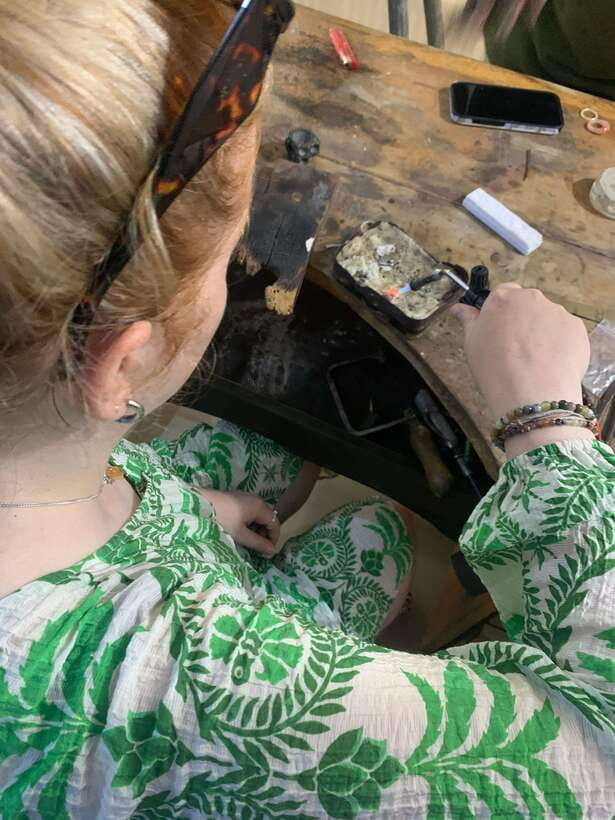
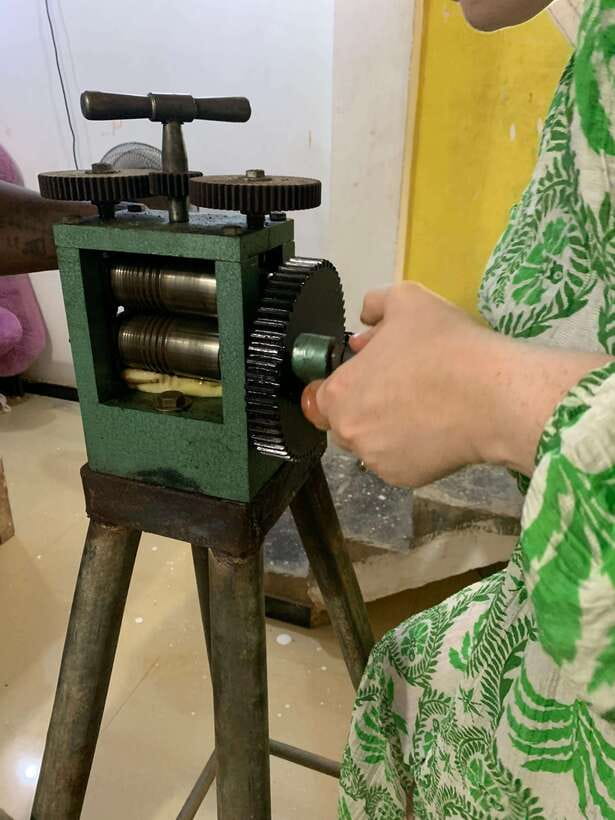
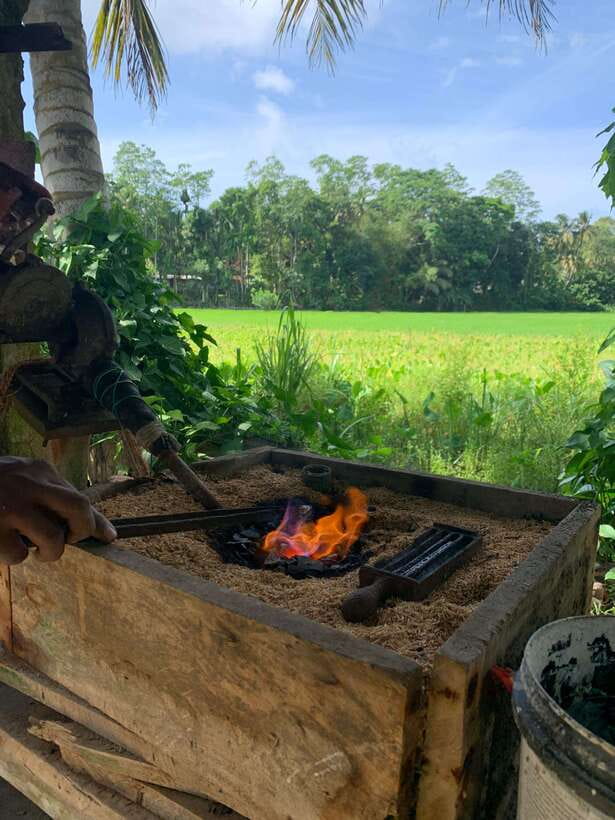
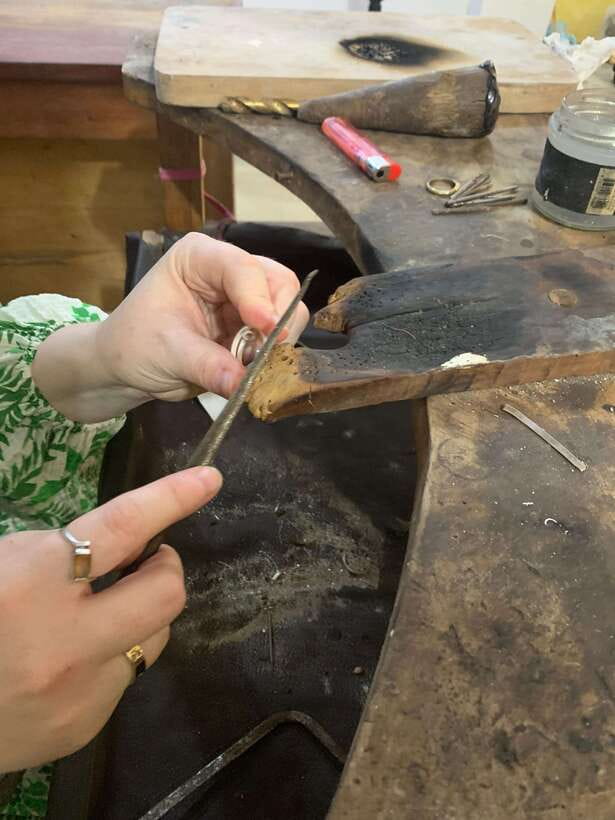
- You work with the metal yourself: The process can include melting, flattening, shaping, and filing the silver.
- Tharindu teaches each stage: He demonstrates the work before helping you try it.
- The finished ring is the star souvenir: A complimentary silver ring is included, while gemstones are not.
- This takes a full day: Allow enough time for travel to Kotapola and for the hands-on work.
- The workshop is at a private home: WhatsApp contact is important for directions and driver instructions.
- It is a small, personal experience: The booking is for a private group rather than a large class.
Why making a ring beats buying another souvenir
Sri Lanka is full of attractive things to buy, but a handmade ring carries a different sort of memory. You remember the weight of the metal, the sound of filing, the shape changing under your hands, and the help you received when a step became tricky.
This workshop puts you close to that process. You are not only watching a craftsperson work behind a counter. You take part in the production of your own jewellery, with guidance from someone who works with these tools every day.
I especially like the balance between instruction and participation. Tharindu first explains and demonstrates the steps, then lets you try them. That matters for beginners. You can make mistakes without being left alone, and you can still feel that your hands played a real part in the finished ring.
The result is not factory-perfect in the way a shop-bought item may be. That is part of its charm. Your ring becomes connected to a particular morning or day in Sri Lanka, not just to a display case.
More gem and jewellery workshops:
- Galle: Traditional Gems & Jewellery Workshop with Transfers
★ 4.9 · 539 reviews - The True Essence of Colombo:Private Highlights & Hidden Gems
★ 4.4 · 96 reviews - Galle : Traditional Jewellery making workshop
★ 4.9 · 34 reviews
Arriving at the artisan’s home in Kotapola
The meeting point is the artisan’s home in Kotapola, not a central tourist office. After you contact the provider through WhatsApp, the team gives directions to you or your driver. You should arrive 15 minutes early, both to find the place and to settle in before the work begins.
This arrangement offers a more personal setting, but it also requires a little planning. One participant found the route confusing, though local people helped point the way. That is useful advice: do not wait until the last minute to start looking, and keep WhatsApp available on the day.
Transportation is not included. You need to arrange your own ride to and from the workshop, and the price does not cover meals. If you are building a day around this activity, leave room for the journey and confirm the pickup details with the provider in advance.
On arrival, you receive a welcome drink before the jewellery work starts. It is a small touch, but it helps the session feel like an invitation into someone’s working world rather than a quick commercial demonstration.
Learning what Sri Lankan jewellery means
The workshop begins with context. You learn about the place of traditional jewellery in Sri Lankan culture and the meaning attached to different forms of adornment. The exact discussion can vary, but the purpose is clear: you understand the craft before starting to shape your own piece.
That background gives the practical work more weight. A ring is no longer just a loop of silver. It becomes an example of how local craft traditions continue through skilled hands and patient work.
I would pay close attention during this part, especially if you are interested in design. You may find that the talk helps you make choices about the form of your own ring. The workshop is not presented as a formal lecture, so the learning happens alongside the making, in a relaxed setting.
English is the listed teaching language. This is useful for visitors who want to ask about tools, methods, and design choices without relying on gestures alone.
The tools and techniques you get to try
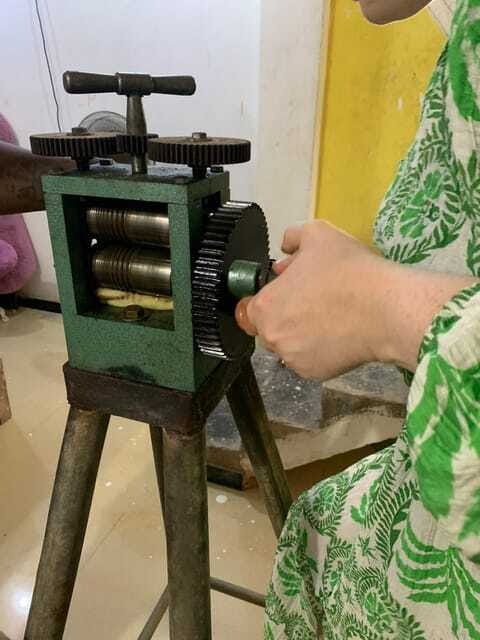
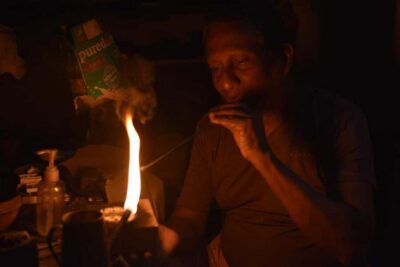
The most appealing part of this activity is the amount of practical work offered to you. One detailed account describes working through several stages, including melting, flattening, changing the shape, and filing the ring.
You are not expected to know how to use the equipment at the start. Tharindu shows each step and gives you help as you go. For a first-time jewellery maker, that progression makes the craft easier to understand. You see how a raw piece of metal slowly becomes an item you can wear.
The work also gives you a better sense of the patience involved. Shaping a ring is not a single quick action. It involves repeated adjustments, careful filing, and attention to form. You might finish with a new respect for the price of handmade jewellery after seeing how much time and skill go into one small object.
The equipment itself adds interest. A visitor specifically noted the large number of tools in the workshop. You get to see the working side of jewellery production rather than only the polished result.
Still, this is a guided craft class, not a free-for-all. Tharindu remains responsible for the more technical or delicate stages, especially where safety and precision matter. You should expect genuine participation, but not complete independence from start to finish.
A few more tours worth weighing up
- Ella: Traditional Sri Lankan Cooking Class
★ 4.9 · 788 reviews - Organic cooking class sigiriya (kumara & family)
★ 5.0 · 650 reviews - Sri Lanka Cooking Class with Granny
★ 5.0 · 587 reviews - Kandy Village Cooking Class
★ 5.0 · 536 reviews
Choosing your design and adding a stone
The activity lets you make a unique piece using traditional techniques and authentic materials. You have a chance to consider the shape and look of your jewellery as the work progresses.
Gemstones are not included in the price. This is an important cost detail. If you want a stone set into the ring, ask about the available choices and extra charges before you commit to a design.
The artisan may complete certain parts that require greater precision. One participant explained that the master set the stone and delivered the finished ring to the hotel the next day. That suggests you may need to allow extra time if your design includes a gemstone or needs final work after the workshop.
Do not assume every piece will be ready to wear immediately at the end of the session. Ask directly about finishing, stone setting, and collection or delivery arrangements. The included handmade jewellery is a strong part of the value, but the final form of the piece can depend on the design you choose.
The silver ring you take home
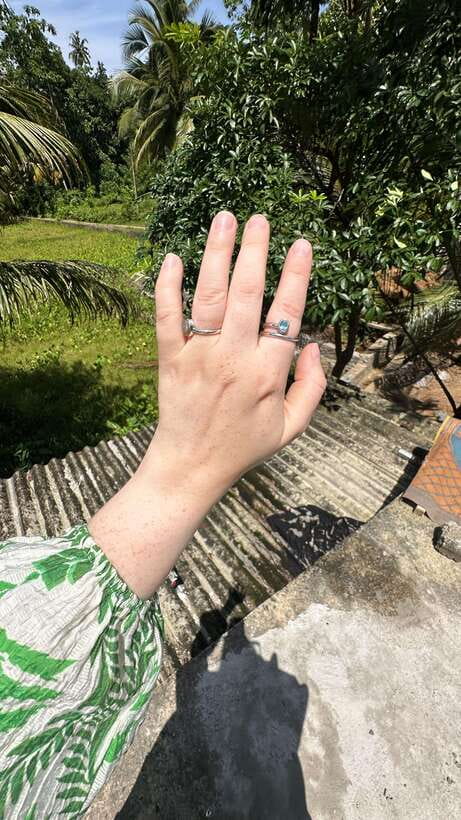
The complimentary silver ring is the clearest reason to consider this experience. You do not leave with only photographs or a certificate. You take home a physical item that you helped make.
The process can make the ring feel more personal than a purchased souvenir. You may remember filing its edges, adjusting its shape, or watching the metal change under heat. Even a simple band can carry that story.
The description also refers to your own handmade jewellery, while the highlight specifically promises a complimentary silver ring. To avoid confusion, confirm what is included in your chosen design before the session. In particular, ask whether a gemstone, additional metal, or later finishing work will add to the cost.
If you want a ring that looks exactly like a commercial piece, manage your expectations. Handmade work may show small signs of the process. If you value a personal object with a clear connection to your time in Sri Lanka, those signs are likely to make it more appealing.
What the $71 price gives you
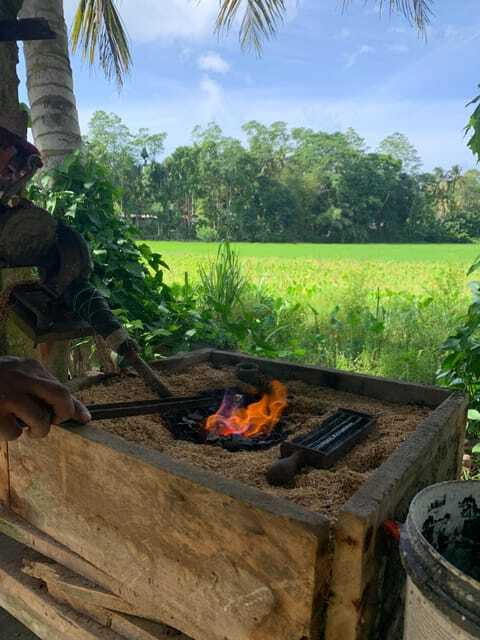
At $71 per person, the workshop is not the cheapest souvenir activity in Sri Lanka. It becomes better value when you count the full package: a welcome drink, tools, materials, instruction from a local artisan, and handmade jewellery to take home.
You are also paying for time and access. The experience lasts one day, rather than offering a short demonstration followed by a shop visit. You get to work through several stages and receive individual guidance in a private-group setting.
The price does not include transport, meals, or gemstones. Those exclusions can change your final budget. I would treat the $71 as the base cost, then add your ride and any stone or extra design choice you want.
For someone who would already spend money on silver jewellery, the value is easy to see. You get the object and the story behind it. For someone who is mainly looking for a quick cultural stop, the full-day format may feel expensive and longer than necessary.
Who will enjoy this most
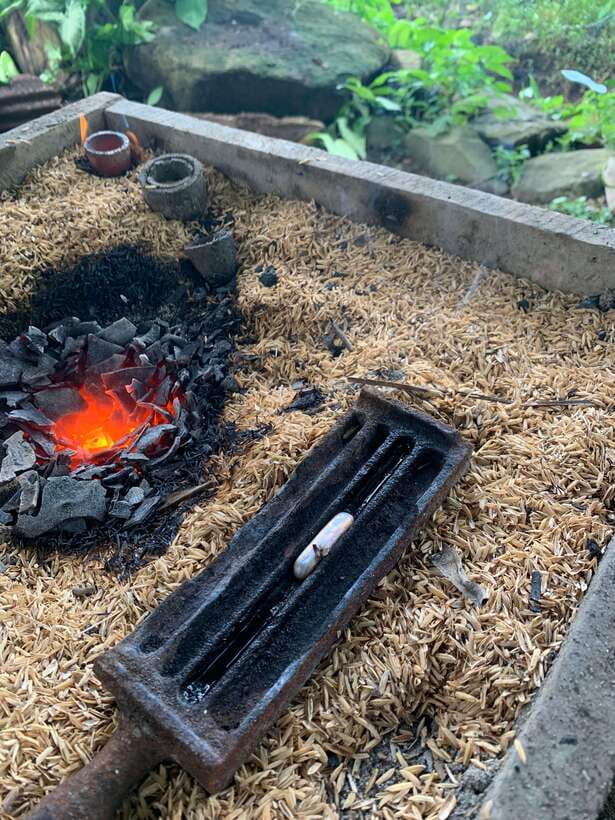
I would recommend this workshop to adults, couples, friends, and craft-minded families with children aged 12 or older. It is a good fit if you enjoy working with your hands, asking questions, and taking your time with a physical object.
It also suits you if you want a souvenir with a personal connection. The private-group format should feel more relaxed than a large class, and English instruction makes it practical for international visitors.
You may not enjoy it as much if you dislike detailed manual work or want a fixed, polished result with no decisions along the way. Jewellery making requires patience, and your finished piece may take longer if it includes a stone or needs extra finishing.
Children under 12 are not suitable for this activity. People with back problems should also avoid it. The information provided describes the activity as wheelchair accessible but also says it is not suitable for wheelchair users. That conflict needs clarification before booking, especially because the workshop takes place in a private home.
Helpful planning advice for the day
Contact the provider through WhatsApp before you travel to Kotapola. Confirm the exact location, make sure your driver has the directions, and ask how long the work is expected to take.
Arrive 15 minutes early. This gives you time to find the house, enjoy the welcome drink, and begin without feeling rushed.
Wear something practical and follow the no-smoking rule. The activity involves tools and metalwork, so you should listen carefully to the artisan’s instructions and avoid treating the equipment as a photo prop.
Bring your design questions with you. You might want a simple band, a particular shape, or a stone added later. The more clearly you explain what you hope to make, the easier it will be for Tharindu to guide the process.
Ask about the final collection plan before leaving. If the ring requires stone setting or additional finishing, it may be delivered later, as happened in one case when a ring was brought to a hotel the next day.
The activity offers free cancellation up to 24 hours before the start time, and you can reserve now and pay later. Those terms help if your Sri Lanka plans are still moving, but you should still check availability and starting times for your chosen date.
My verdict on Ceylon Eco Love Tours
The strongest part of this experience is the teaching. Tharindu takes time to show the methods, explain the process, and let you do substantial parts of the work. That patient approach turns a basic craft class into a useful look at how jewellery is actually made.
The second strength is the souvenir itself. A silver ring made with your own effort is more memorable than another item picked from a shelf, and the complimentary ring gives the $71 price a clear purpose.
The weaknesses are practical rather than creative. You must arrange transport, the home location can be confusing, meals are not included, and gemstones cost extra. The wheelchair information also needs confirmation.
Should you book this jewellery workshop?
Book it if you want a personal Sri Lankan souvenir, enjoy hands-on work, and can spare a full day for a private craft session in Kotapola. It is especially appealing if you like the idea of learning from an artisan instead of watching a short show.
Skip it if you want an easy-to-reach activity, a short appointment, or a fully finished gemstone ring included in the advertised price. Before booking, message Ceylon Eco Love Tours about transport, stone costs, final delivery, and accessibility.
For the right visitor, this is a thoughtful way to spend part of a Sri Lankan trip. You leave with more than silver. You leave knowing how that silver changed shape under your own hands.
FAQ
Where does the jewellery workshop take place?
The workshop takes place at the artisan’s home in Kotapola.
How do I find the meeting point?
You contact the provider through WhatsApp, and they guide you or your driver to the artisan’s home.
How much does the workshop cost?
The listed price is $71 per person.
How long does the activity last?
The experience is valid for one day, and you should check availability for the available starting times.
Is transportation included?
No. Transportation to and from the workshop is not included.
Are meals included?
No. Meals are not included in the activity price.
Are gemstones included?
No. Gemstones are not included. Ask the provider about choices and any additional cost.
Do I need previous jewellery-making experience?
No. The workshop is suitable for beginners, and no prior experience is required.
What language does the instructor speak?
The instructor provides the workshop in English.
Can I cancel for a refund?
Yes. You can cancel up to 24 hours in advance for a full refund. You can also reserve now and pay later.
Just added around Sri Lanka
- High-Grown Tea & Waterfall Wonders of Nuwara Eliya by tuktuk★ 5.0 · 3 reviews
- Nuwara Eliya: Tea Factory and Victoria Park Tour by Tuk Tuk★ 3.4 · 3 reviews
- Evening Tour at the Last Kingdom of Sri Lanka, Kandy★ 5.0 · 3 reviews
- Mirissa/Galle/Hikkaduwa: Transfer to Ella & Udawalawa Safari★ 5.0 · 3 reviews
- Tour to Dambulla Cave, Sigiriya and Pidurangala Rock from Kandy★ 5.0 · 3 reviews
- Minneriya: Minneriya National Park Private Jeep Safari★ 4.4 · 3 reviews
- Day Tour Kandy to Sigiriya with Dambulla Cave Temple Excursion★ 5.0 · 3 reviews
- Private Day tour from Kandy to Sigiriya, Dambulla & Pidurangala★ 5.0 · 3 reviews
Gem & Jewellery Workshops, compared.
Traditional Gems & Jewellery Workshop with Transfers
Read our review →
The True Essence of Colombo:Private Highlights & Hidden Gems
Read our review →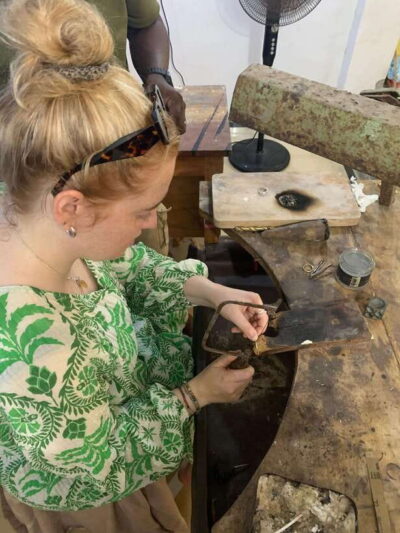

Polonnaruwa Ancient City Private Day Tour (Hidden Gems)
Read our review →
Sri Lanka – Private Ratnapura Gem Tour with Gem and jewelry Expert
Read our review →
Colombo Shore Excursion, History Legacy and hidden gems
Read our review →Browse the lists this tour appears in