
Reviewed · WORKSHOPS
Interactive Batik Workshop and Lessons in Sri Lanka
Make art, then take it home.
This 3-hour-30-minute batik workshop in Kandy gives you a practical look at one of Sri Lanka’s best-known textile arts. I like the small group limit of 10, which leaves room for questions and personal help. I also like that you make your own cloth rather than simply watching a demonstration. The main consideration is that batik is slow, careful work, so this is not a quick craft activity or a polished factory-style show.
The class takes place in a cozy home studio run by an experienced batik-making family. You work with traditional tools, wax, fabric, dyes, and heat under the guidance of the instructor. The $28 price includes materials, equipment, fees, taxes, and herbal tea, though you arrange your own transportation and lunch.
In This Review
- Key points to know before booking
- Why this Kandy batik class is worth your morning
- Entering the family home studio on Thalapiyannawa Road
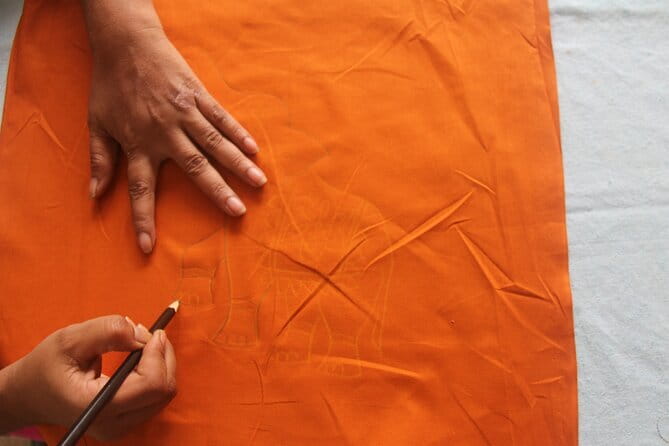
- Choosing fabric and turning an idea into a design
- Wax mixtures, funnels, and tjanting tools
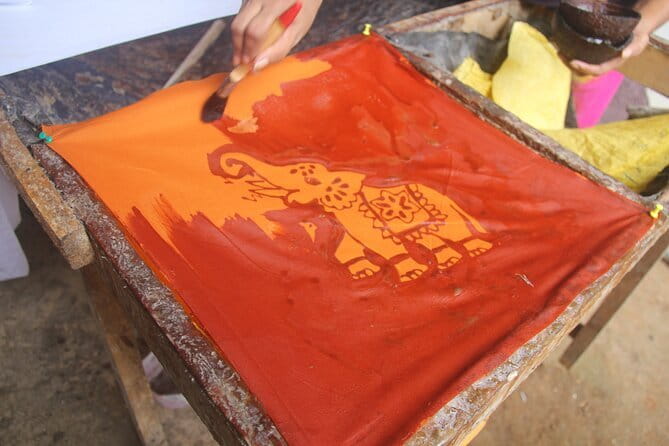
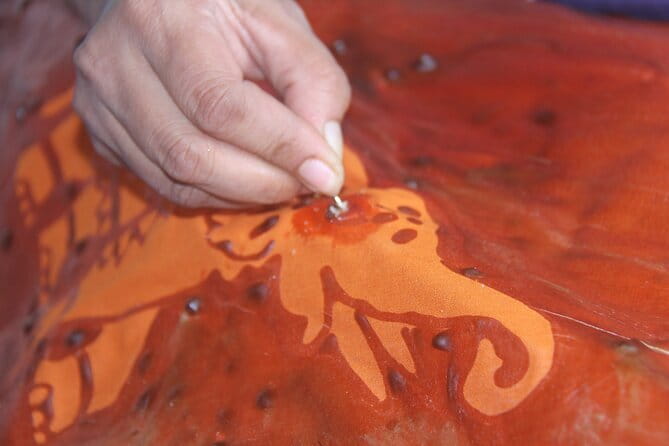
- Cracking, brush art, and wax design
- Applying dyes and building the final color
- Removing the wax and seeing the cloth change
- How the 3.5-hour schedule feels
- What the $28 price includes
- Who should book this experience
- Booking, cancellation, and practical details
- Should you book the Kandy batik workshop?
- FAQ
- Where does the batik workshop take place?
- What time does the activity start?
- How long does the batik class last?
- What is included in the price?
- How many people can join the workshop?
- Can I cancel for a full refund?
Key points to know before booking
- You create your own batik cloth: The workshop covers the process from choosing fabric and drawing a design to waxing, dyeing, and removing the wax.
- A small group makes a real difference: With no more than 10 people, you have a better chance of getting direct help with delicate tools and tricky techniques.
- The class takes place in a family home studio: You see traditional equipment in the setting where the craft is practiced, rather than in a large commercial workshop.
- You try several batik methods: The session includes stamping, cracking, brushwork, wax spraying, funnel and tjanting work, and other wax-designing methods.
- The finished piece is your souvenir: You take home the cloth or item you make, giving the workshop more value than a demonstration with nothing to keep.
- The morning begins at 8:00 a.m. in Kandy: The activity starts and ends at the meeting point on Thalapiyannawa Road, with private transportation not included.
Why this Kandy batik class is worth your morning
Batik is easy to admire and harder to make. The finished fabric may look simple at first, but the process depends on careful planning. Wax blocks parts of the cloth from absorbing dye. The fabric is then colored, dried or treated as needed, and prepared for further layers. Each step affects the next one.
That makes this class useful for more than a souvenir. You learn why the tools have different shapes and why the order of the work matters. A small mistake in the wax line can change the way dye spreads, so the activity rewards patience rather than speed.
I like the fact that the session covers the full process instead of focusing only on painting. You begin with fabric selection and design, then move into wax mixtures and application. Later, you work with dyes and finally remove the wax through boiling or burning techniques.
The result may not look like a professional artist’s work. That is part of the appeal. Your finished piece shows where you made the decisions and where the material had a mind of its own. It is a more personal souvenir than a cloth picked up in a shop.
A few more tours worth weighing up
- Sri Lanka Cooking Class with Granny
★ 5.0 · 587 reviews - Kandy Village Cooking Class
★ 5.0 · 536 reviews - Private Traditional Sri Lankan Cooking Class in Kandy with Hotel Transfers
★ 5.0 · 115 reviews
Entering the family home studio on Thalapiyannawa Road
The meeting point is on Thalapiyannawa Road in Kandy. The class starts at 8:00 a.m. and returns to the same meeting point when the session ends.
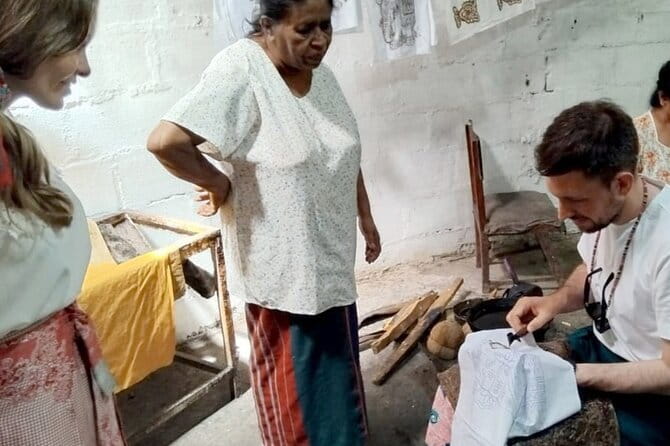
The workshop is operated by an experienced couple who have worked in batik for many decades. The setting is their home studio, with the traditional equipment used for the craft. That gives the class a personal feel. You are not being moved through a large production line or asked to watch from behind a barrier.
The family atmosphere is one of the strongest parts of the experience. The instructors are described as welcoming and patient, and individual teaching is built into the class. An instructor personally helps when you need guidance, which matters when you are using a tjanting tool or trying to control hot wax.
Some descriptions of the morning also include refreshments, snacks, or food offered by the family. Herbal tea is specifically included. Lunch is not included, so you should not book this as a meal experience.
Because the class takes place in a private home, the atmosphere may feel informal rather than highly organized. That is a plus if you want contact with a local craft maker. If you prefer a formal studio with a fixed display area and a polished presentation, this may feel more relaxed than expected.
Choosing fabric and turning an idea into a design
The first practical stage is fabric selection. You learn how the material will affect the finished work and begin thinking about the shape and pattern you want to create.
This part deserves more attention than you might expect. A complicated design can be difficult to complete in one morning, especially if you are new to batik. I would keep your first idea manageable. Clear shapes and simple lines give you a better chance of finishing a piece you will enjoy using or displaying.
The instructor guides you through the drawing stage before the wax is applied. This is important because wax is not easy to erase once it is on the fabric. You want the major lines in place before moving to the more demanding work.
The design stage also helps you see batik as a process of planning negative space. Areas covered by wax resist the dye, while unprotected sections absorb it. The final pattern comes from the relationship between those protected and colored areas.
Wax mixtures, funnels, and tjanting tools
Next comes the part that gives batik its distinctive look: wax application. The class introduces wax mixtures and different waxing techniques, along with traditional tools such as the funnel, tjanting, and Henry tool.
A tjanting tool allows you to draw lines with liquid wax. It takes a steady hand and a little practice. The wax must flow well enough to make a continuous line, but not so freely that it spreads beyond your design.
You also learn about wax spraying and stamping. These methods create effects that are difficult to produce with a standard paintbrush. Stamps can add repeated forms, while sprayed wax produces a less exact pattern.
The instructor demonstrates each method and then gives you a chance to try it yourself. That balance is important. A batik class would lose much of its value if you only watched the expert work.
I would expect a few uneven lines in your first attempts. That is normal. The goal is not perfect control from the first minute. The goal is to understand how the tool, wax, and cloth respond to one another.
A completely different kind of day out from Kandy:
- Kandy Private Guided City Tour by Tuk Tuk
★ 4.9 · 1,307 reviews - From Kandy: Sigiriya Rock & Dambulla Cave Temple Adventure
★ 4.9 · 785 reviews - Kandy to Ella Train Tickets – Reserved Seats
★ 4.5 · 523 reviews - Kandy to Ambuluwawa & Kandy City Guided Tuk Tuk Day Tour
★ 4.8 · 270 reviews
Cracking, brush art, and wax design
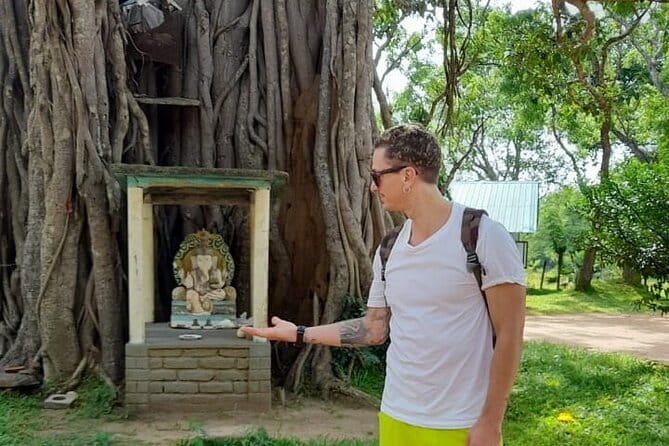
The workshop also introduces cracking techniques. Cracks in the wax create fine lines where dye can enter, producing a distinct batik effect. This is one of the more interesting stages because the pattern is partly controlled and partly unpredictable.
You also work with brush art and wax design. These methods let you vary the texture and shape of the piece instead of relying on a single repeated pattern.
This is where the small group helps. The instructor can look closely at your work and show you how to correct a wax line or adjust your application. In a class with a much larger group, you might spend too long waiting for assistance at exactly the moment when the wax is ready to use.
The process can be messy and physically demanding. You are handling materials that need care, repeating detailed movements, and paying attention to several stages at once. One useful way to approach the class is to treat it as a hands-on craft lesson, not as a passive sightseeing stop.
Applying dyes and building the final color

Once the wax design is ready, the class moves into dyeing. You learn about dye mixtures and application techniques, including naphthol dyes, vat dyes, and reactive dyes.
The important idea is that color does not simply get brushed onto a blank cloth. The wax determines where dye can reach. Depending on the method, you may apply color in stages, protect certain areas, and build the design gradually.
This gives you a better understanding of why traditional batik takes time. A finished cloth can contain several rounds of waxing and dyeing, with each layer affecting the final result.
You get the chance to try the relevant steps under supervision. The level of personal involvement makes this a good choice for anyone who likes learning through their hands. It is also suitable for families, couples, and friends who want to make something together, though younger children may need close help with the tools and hot materials.
The class has a maximum of 10 participants. That is small enough to make the activity social without turning it into a crowded group demonstration. If you are traveling alone, you still have a natural setting for conversation, but the work remains the main focus.
Removing the wax and seeing the cloth change
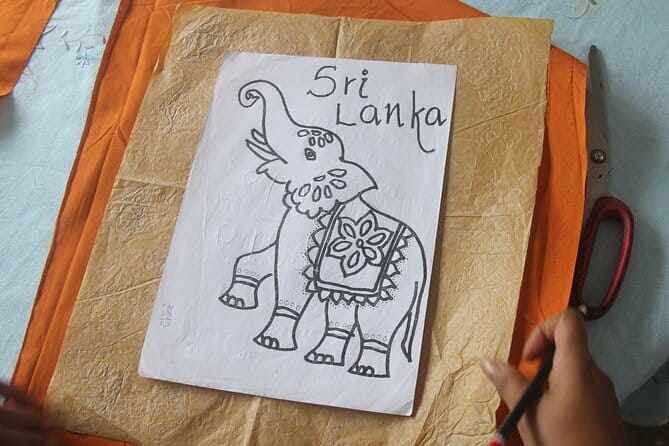
The final technical stage involves wax burning and wax boiling, also called de-waxing. This removes the wax and reveals the pattern created by the protected sections and colored areas.
This moment gives the class a satisfying finish. Until the wax is removed, parts of your design remain hidden. The final cloth shows how well your drawing, waxing, cracking, stamping, and dye work came together.
The instructor handles or closely supervises any stage involving heat. You should follow the guidance carefully and avoid treating the equipment casually. This is a craft studio, not a simple coloring class.
You take your completed piece home. The finished item may be a cloth or, based on the practical examples from the class, something such as a bag. The exact form can depend on the design and materials used during your session.
That take-home result is a major part of the $28 value. You are paying for instruction and supplies, but you also leave with a handmade reminder of Kandy. It may have a few imperfect details, which makes it yours.
How the 3.5-hour schedule feels
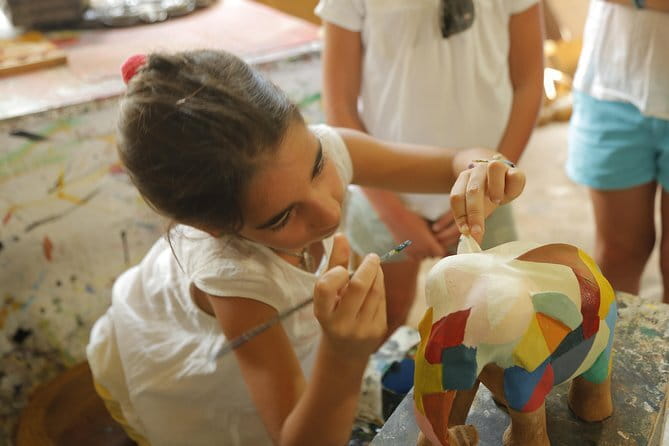
The activity lasts about 3 hours and 30 minutes. That is enough time to explain the process, demonstrate the tools, let you work through several stages, and finish your piece without rushing every step.
The 8:00 a.m. start is practical. You have the rest of the day available for Kandy’s other sights, though the class itself requires concentration and steady work. I would avoid planning an important appointment immediately afterward because the exact pace can depend on the number of participants and the complexity of their designs.
There is no private transportation included. You need to make your own way to Thalapiyannawa Road and return from the same meeting point. Since the experience is based at a home studio, check the meeting instructions carefully when booking and allow enough time to arrive before the early start.
The schedule is best for someone willing to give the craft proper attention. If you want a short, casual activity between major attractions, this may feel long. If you want to understand the process and make something yourself, the duration is a strength.
What the $28 price includes
At $28 per person, the workshop is reasonably priced for a small-group craft class with materials and instruction. You do not need to bring the tools, cloth, wax, or dye supplies required for the session. All fees and taxes are included.
The strongest value comes from the personal teaching. A demonstration alone would cost less time, but it would also give you far less understanding. Here, you try the methods yourself and receive help when needed.
The price is also easier to justify because your finished work becomes part of the experience. You are not simply buying admission to a studio. You are making an object with guidance from people who have practiced the craft for decades.
Group discounts are available, which may help if you are booking with family or friends. Lunch is not included, and private transportation is extra, so include those costs in your morning budget.
The activity is booked, on average, about 33 days ahead. That suggests you should reserve early if the date matters, especially since the class is capped at 10 people.
Who should book this experience
I would recommend this class to you if you enjoy practical activities, local craft traditions, and small-group instruction. It is also a good fit if you want a souvenir with a story behind it rather than another store purchase.
Families can enjoy the shared project, particularly if everyone likes making things. Couples and friends get a relaxed activity with a clear result. Solo participants should also fit well because the group is limited and the instructor offers individual help.
You should think twice if you dislike careful, repetitive work or if you want a fast demonstration. Waxing and dyeing require patience. The process is described as hard work for good reason.
The class is also not ideal for anyone expecting a fully private lesson, since the maximum is 10 people and group discounts are offered. Still, the small size should provide more personal attention than a typical large class.
Booking, cancellation, and practical details
Confirmation is provided at the time of booking, and most people can participate. The activity begins and ends at the listed meeting point on Thalapiyannawa Road.
Free cancellation is available if you cancel at least 24 hours before the 8:00 a.m. start time. Cancellations made less than 24 hours before the activity are not refunded, and changes inside that period are not accepted. The cut-off follows local time in Sri Lanka.
Wear something you can work comfortably in, since wax and dyes are part of the session. The provided information does not specify clothing requirements, so you should ask the provider if you have concerns about particular fabrics or belongings.
Should you book the Kandy batik workshop?
Book it if you want a personal, useful craft experience and are happy to spend a full morning working with your hands. The small group, family-run home studio, traditional tools, and take-home cloth give this class more substance than a quick cultural demonstration.
I would especially choose it for a free morning in Kandy, for a family or couple seeking a shared activity, or for anyone who values direct contact with a local maker. I would skip it only if your schedule is tight, you dislike detailed work, or you want transportation and lunch bundled into the price.
For $28, the workshop offers solid value: instruction, materials, a drink, access to traditional equipment, and a handmade souvenir you create yourself.
FAQ
Where does the batik workshop take place?
The workshop takes place at a home studio on Thalapiyannawa Road in Kandy, Sri Lanka.
What time does the activity start?
The workshop starts at 8:00 a.m.
How long does the batik class last?
The activity lasts approximately 3 hours and 30 minutes.
What is included in the price?
The price includes all tools and equipment, the cloth and other materials needed for the program, and all fees and taxes. A refreshing herbal tea is also included.
How many people can join the workshop?
The activity has a maximum group size of 10 people.
Can I cancel for a full refund?
Yes. You can cancel for a full refund if you do so at least 24 hours before the experience start time. Cancellations or changes made less than 24 hours before the start are not accepted for a refund.
Just added around Kandy
- Evening Tour at the Last Kingdom of Sri Lanka, Kandy★ 5.0 · 3 reviews
- Tour to Dambulla Cave, Sigiriya and Pidurangala Rock from Kandy★ 5.0 · 3 reviews
- Day Tour Kandy to Sigiriya with Dambulla Cave Temple Excursion★ 5.0 · 3 reviews
- Private Day tour from Kandy to Sigiriya, Dambulla & Pidurangala★ 5.0 · 3 reviews
- Kandy To Dambulla and Sigiria City Full Day by Laka Tours★ 5.0 · 3 reviews
- Full Day Tuk Tuk Tour – Explore Kandy with Local Expert★ 4.1 · 3 reviews
- Kandy to Ella★ 5.0 · 3 reviews
- From Kandy: Wilpattu National Park Safari with Hotel Pickup★ 5.0 · 3 reviews
Workshops, compared.


Organic cooking class sigiriya (kumara & family)
Read our review →
Traditional Gems & Jewellery Workshop with Transfers
Read our review →


Sri Lankan Cooking Class with Neranji at Homestay
Read our review →
Browse the lists this tour appears in