
Reviewed · WORKSHOPS
Kandy: Interactive Batik Workshop
Art you can wear home. This three-and-a-half-hour batik workshop in Kandy gives you a hands-on introduction to wax, dyes, and traditional Sri Lankan design. I especially like the small group of no more than 10 people, and I like that you leave with your own handmade cloth rather than a factory-made souvenir. The main drawback is practical: the studio can be difficult to find, and transport is not included.
The workshop takes place at a family home in Ampitiya, outside central Kandy, where Anuja and her family teach the process in English. You can follow a stencil or create your own design, and beginners receive patient help throughout. Expect some sitting and careful handwork, so this is not suitable for pregnant women or people with back problems.
In This Review
- Key points to know before you book
- Why batik makes a better souvenir than another trinket
- Arriving at the Ampitiya family studio
- Starting with fabric, wax, and design
- Trying five different wax effects
- Learning dyes and building the color
- Removing the wax and seeing the final design
- Tea, food, and the family welcome
- Is $28 a fair price?
- Who will enjoy this Kandy activity most?
- Booking and timing tips that matter
- Should you book the batik workshop?
- FAQ
- Where is the batik workshop held?
- How long does the workshop last?
- How much does the workshop cost?
- What is included in the price?
- Is transportation included?
- Is lunch included?
- What language is used during the workshop?
- What should I wear or bring?
- Who should not take this activity?
Key points to know before you book
- A complete batik process: You learn drawing, waxing, dyeing, and removing the wax, not just one decorative technique.
- A personal souvenir: Your finished cloth is made by you, with help available when the design or wax work gets tricky.
- Warm family setting: Anuja, Manugi, and other family members are frequently praised for their patience and hospitality.
- Tea and more may be offered: Herbal tea is included, while sandwiches, breakfast, desserts, or a Sri Lankan lunch have also been provided on some visits.
- Allow extra time for arrival: The address is 218/6 Thalapiyannawa Road, Ampitiya, but map directions may not be exact.
- Good value at $28: Tools, fabric, wax, dyes, instruction, and tea are included, making this a useful half-day activity in Kandy.
Why batik makes a better souvenir than another trinket
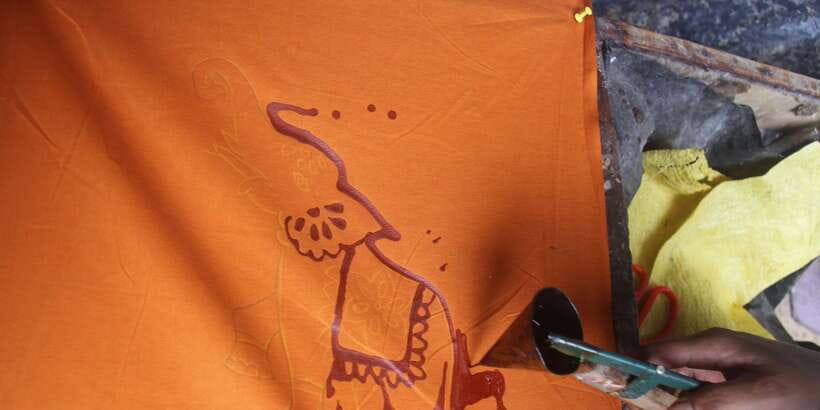
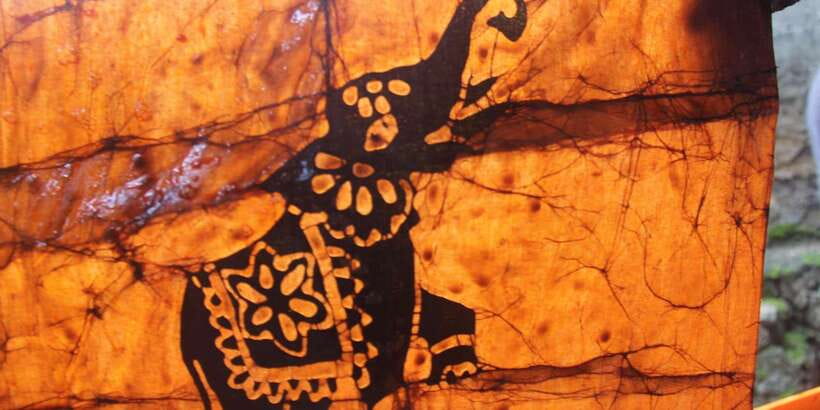
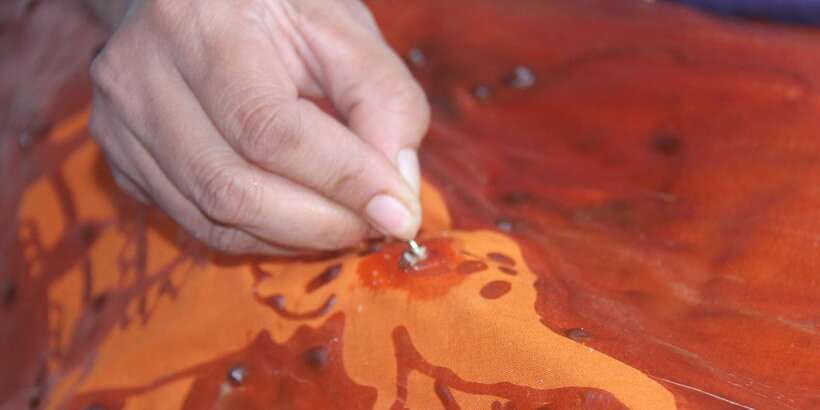
Batik is more than painting on cloth. The design is built through a repeated process of drawing, applying wax, adding dye, and protecting selected areas from later colors. The wax acts as a barrier, which is why the final pattern can have those distinctive lines, cracks, and layered shades.
You will learn about traditional wax batik and batik painting technology from an instructor who works with the materials every day. That context matters. Instead of simply copying a picture, you see why the tools are shaped as they are and how small choices affect the finished cloth.
The workshop gives you a souvenir with a clear connection to your time in Sri Lanka. Several people have created a small cloth, bag, laptop cover, or other useful piece, depending on the design and session. The exact final form is not fixed in the information provided, so ask what size or format you will make when you arrive.
I find this type of activity particularly worthwhile after several days of sightseeing. Kandy can feel noisy and demanding, while batik asks you to slow down and pay attention. One participant described the careful process as almost meditative, with birds overhead and a peaceful workshop setting. You do not need to think of yourself as artistic. The teaching is designed for beginners, and the instructors correct mistakes without taking over your work.
A few more tours worth weighing up
- Sri Lanka Cooking Class with Granny
★ 5.0 · 587 reviews - Kandy Village Cooking Class
★ 5.0 · 536 reviews - Private Traditional Sri Lankan Cooking Class in Kandy with Hotel Transfers
★ 5.0 · 115 reviews
Arriving at the Ampitiya family studio
The meeting point is 218/6 Thalapiyannawa Road, Ampitiya, in Kandy’s Central Province. Transportation to and from the workshop is not included, so you need to arrange your own tuk-tuk or other ride.
This is the one part I would plan carefully. The studio can be hard to locate using Google Maps, and local tuk-tuk drivers may also struggle with the exact position. Contacting the hosts before setting out is sensible. Drivers have been guided by phone in the past, and the family has helped arrange a tuk-tuk back into town after the workshop.
Give yourself extra arrival time rather than cutting it close. If you get near the address and are uncertain, asking neighbors for the house is a practical solution. The family home setting is part of the appeal, but it also means you should not expect a large, clearly marked commercial studio.
The small-group limit of 10 is useful here. It keeps the instruction personal and gives you a better chance to ask questions while using hot wax and unfamiliar tools. If you are booking for a family or a pair, the setting should feel more relaxed than a large class.
Starting with fabric, wax, and design
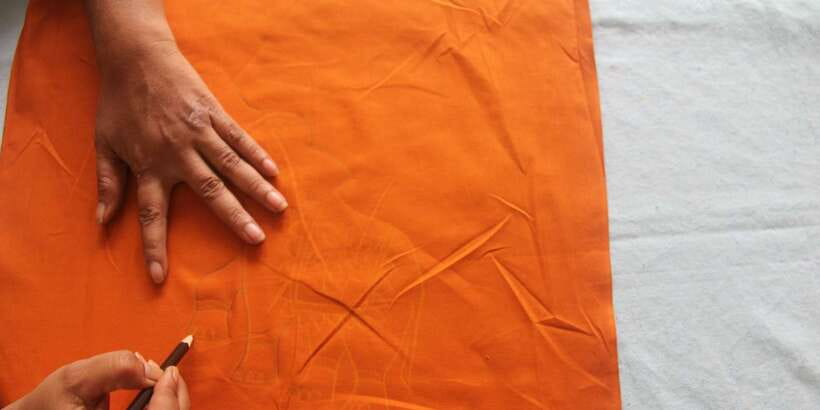
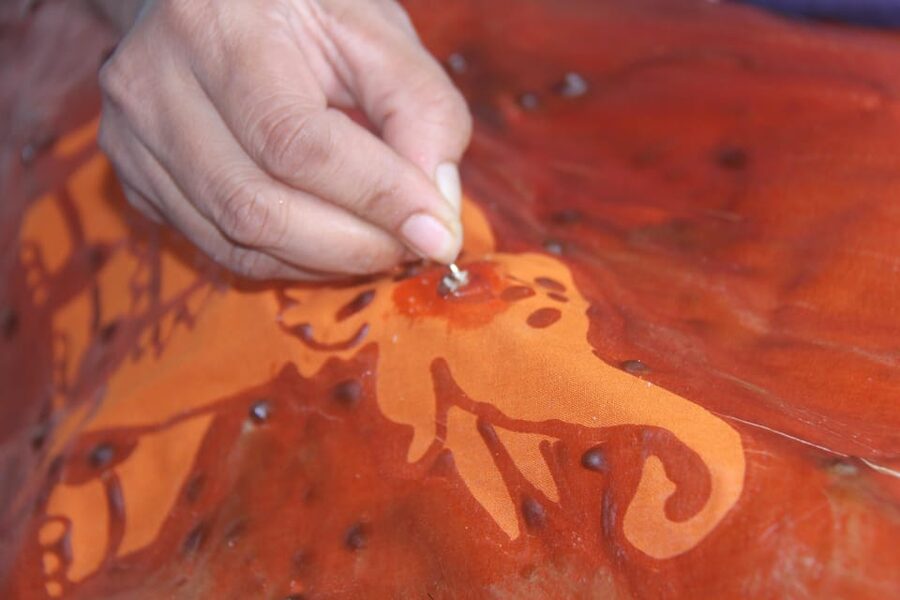
The session begins with a choice of fabric and an introduction to the basic wax mixtures. You learn how wax is prepared and how different waxing methods create different marks on the cloth.
Your design can be original, or you can use a stencil. This is an important choice. A stencil gives you a clear starting point if you are unsure about drawing, while a freehand design lets you write a name, create a personal symbol, or build a pattern of your own.
One especially popular idea has been writing a name in Sinhala. That gives the finished piece a stronger connection to Sri Lanka and provides a manageable design for someone who does not feel confident drawing. You can also adapt a template rather than copying it exactly.
The instructor demonstrates the tools before you begin. These include a funnel, a tjanting, and a Henry tool. You do not need to know how to use them in advance. The point of the class is to try the methods under supervision, then see how each tool changes the line and amount of wax.
Be patient with the first marks. Wax work can feel more difficult than expected because the liquid wax must be guided steadily, and mistakes are part of the learning. The family’s teaching style is repeatedly described as careful and kind, with help offered when needed while still allowing you to make your own decisions.
Trying five different wax effects
The workshop does not stop at simple outlines. You may try wax spraying, stamping, cracking, brush arts, and other wax designs.
Each method gives the cloth a different character. Stamping can create repeated shapes. Brush work allows broader marks. Cracking produces lines through the wax that let dye reach selected areas. Spraying and other techniques add texture beyond a simple drawn image.
This variety makes the session more interesting, but it also means the process is not quick. You are learning several stages rather than completing a basic craft in a few minutes. The three-and-a-half-hour duration gives you room to listen, practice, and make a finished piece.
You should wear comfortable clothes that you do not mind getting marked. A change of clothes is a smart precaution because paint or dye may land on what you are wearing. The workshop is hands-on, not a demonstration viewed from a safe distance.
If you have back problems, take the restriction seriously. The activity involves sitting and working with cloth and tools for an extended period. Pregnant women are also listed as unsuitable for the experience.
A completely different kind of day out from Kandy:
- Kandy Private Guided City Tour by Tuk Tuk
★ 4.9 · 1,307 reviews - From Kandy: Sigiriya Rock & Dambulla Cave Temple Adventure
★ 4.9 · 785 reviews - Kandy to Ella Train Tickets – Reserved Seats
★ 4.5 · 523 reviews - Kandy to Ambuluwawa & Kandy City Guided Tuk Tuk Day Tour
★ 4.8 · 270 reviews
Learning dyes and building the color
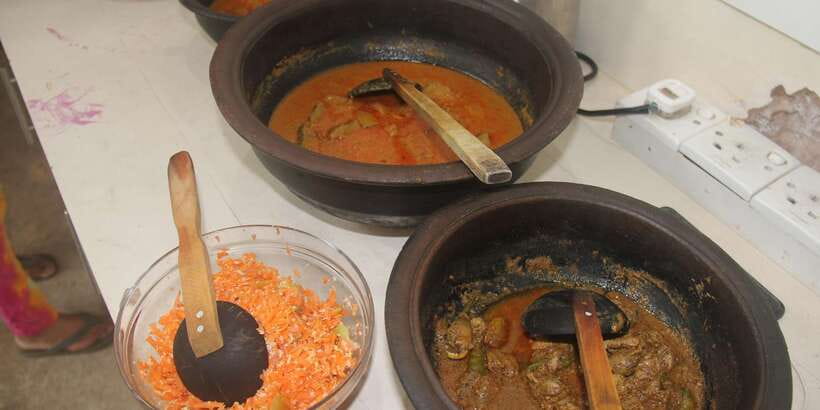
After the wax work, the class moves to dyes and their application. You learn about dye mixtures and several dye families, including napthol dyes, vat dyes, and reactive dyes.
You do not need to memorize the chemical names to benefit from this section. The useful lesson is how dye choice and application affect the cloth, and how the wax protects parts of your design. You begin to see batik as a controlled sequence rather than a single act of painting.
The protected areas remain separate while the exposed cloth takes the color. Depending on the design, this can create layered effects and fine contrasts. The process rewards care. If you rush the waxing or overlook a gap, the dye may enter an area you intended to keep clear.
That is also where the workshop feels authentic. You are not simply decorating a pre-finished souvenir. You are handling the materials and learning the decisions that shape the result. The finished piece may not look perfectly uniform, especially if this is your first attempt, but that is part of its value.
The class is conducted in English, which makes the step-by-step instruction accessible to English-speaking participants. The family’s patience is a major part of the experience. Manugi’s English has been praised, and the combination of demonstration, explanation, and practical help appears well suited to beginners.
Removing the wax and seeing the final design
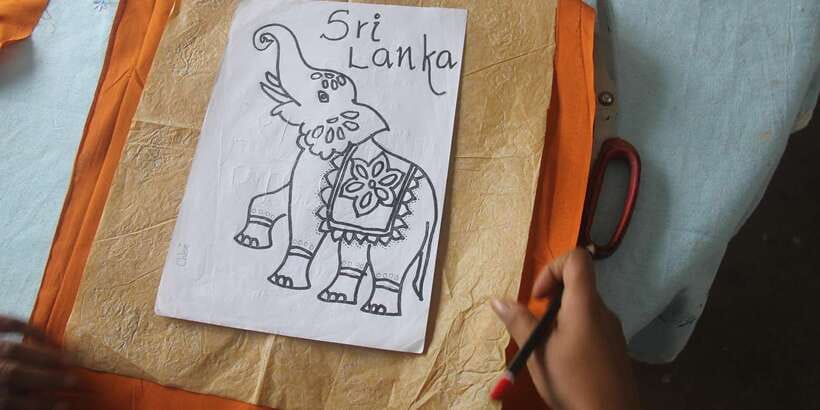
The final stage covers wax burning and wax boiling, also called dewaxing. This is when the wax is removed so the completed pattern can be seen clearly.
It is a satisfying end to the process because the cloth changes from a work surface covered with wax and dye into a finished textile. You can finally see how your original drawing, the protective lines, and the colors have come together.
Pay attention to the care instructions before leaving. The hosts have provided guidance on handling the finished batik after the session, which is useful if you are packing it into luggage or taking it onward through Sri Lanka.
The result is not just a class exercise. People have taken home personalized artwork, bags, laptop covers, and other practical pieces. Ask the instructor how your particular cloth should be folded, washed, or stored, especially if it is still being handled or finished after the workshop.
Tea, food, and the family welcome
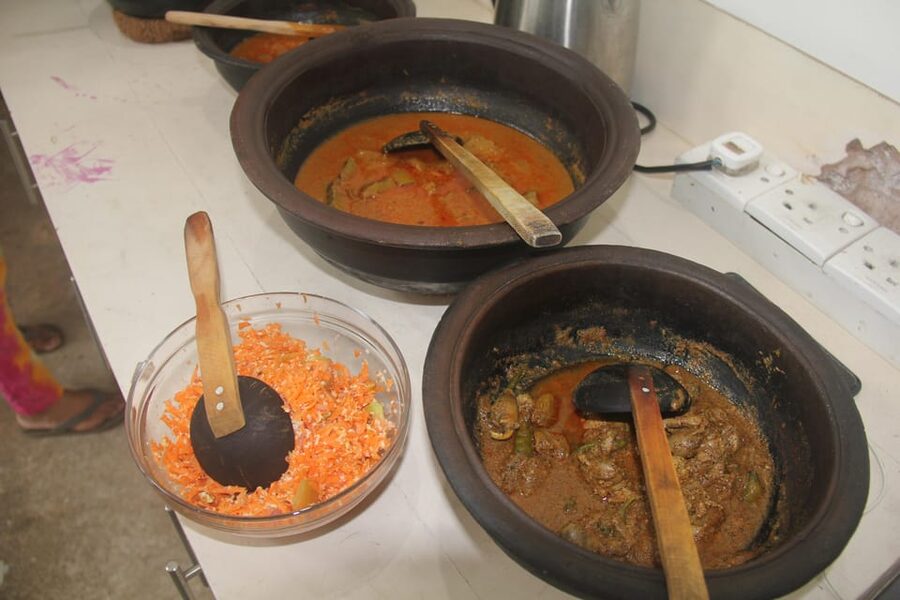
Herbal tea is included, and it gives the session a pleasant pause. Several accounts also describe sandwiches, breakfast, Sri Lankan sweets, or a home-cooked lunch. Food beyond the listed herbal tea is not guaranteed, so treat it as generous hospitality rather than part of the formal package.
The family atmosphere is one of the strongest reasons to choose this activity. Anuja and Manugi are frequently named as warm, patient hosts, and other family members have helped with instruction and conversation. Some people have stayed for lunch, while one family prepared a birthday surprise for a participant.
That personal contact adds something a standard craft demonstration cannot. You may learn about batik while chatting about Sri Lankan culture, family life, or daily routines. It also makes the visit feel less like a shopping stop. You are learning a skill in a home setting and meeting the people who keep that skill active.
If you have dietary needs, the supplied details do not specify menu choices or alternatives. Ask in advance rather than assuming lunch will be provided or suitable for you.
Is $28 a fair price?
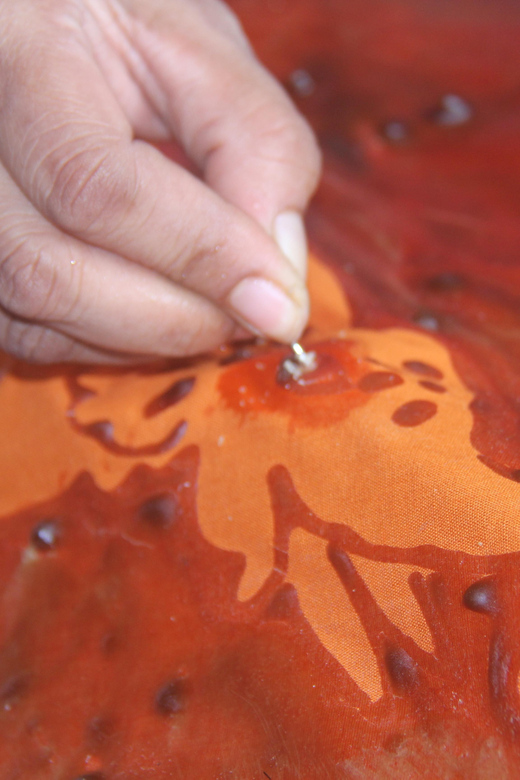
At $28 per person, this is a strong value if you want an activity with real participation. The price includes the fabric, wax, dyes, tools, equipment, instruction, and herbal tea. You also take away something you made yourself, which gives the fee more lasting value than a short demonstration.
The cost does not include transportation or lunch. That keeps the listed price reasonable, but you should add the cost of getting to Ampitiya and back. Since the location can be awkward to find, arranging the ride may require more effort than for an attraction in central Kandy.
The workshop lasts 3.5 hours, so you are paying for a substantial half-day rather than a quick tourist craft. I would consider it good value for couples, families, and solo visitors who enjoy making things and want a break from temples, traffic, and sightseeing.
It may be less appealing if you want a polished professional product with no imperfections, or if you have only a short stop in Kandy. The class needs time, patience, and some willingness to work carefully with wax and dye.
Who will enjoy this Kandy activity most?
I would recommend the workshop to:
- Creative beginners who want clear instruction rather than an advanced art class.
- Families with older children or teenagers, especially those who enjoy making a physical souvenir.
- Couples and friends looking for a shared activity with conversation and food.
- Solo visitors who want a personal introduction to Sri Lankan craft in a small group.
- Culture-focused visitors who prefer meeting a local family to browsing finished goods in a shop.
I would think twice if you have back problems, are pregnant, dislike sitting for long periods, or cannot tolerate the possibility of dye on your clothes. You should also avoid booking it too tightly against another appointment, given the transport and location issues.
The activity is not designed around sightseeing. You will not be moving between several attractions. Its appeal is the focused time spent learning one craft well enough to produce a personal result.
Booking and timing tips that matter
The activity offers free cancellation up to 24 hours before the start for a full refund, and you can reserve now and pay later. Those options are useful if your Sri Lanka plans are still shifting.
Starting times vary, so check availability for the day you want. The instructor teaches in English, and the group is limited to 10 people.
Wear comfortable clothing, bring a change of clothes, and contact the hosts about directions before leaving your accommodation. If you are using a tuk-tuk, do not rely only on the map pin. Have the driver call the family if necessary, and plan how you will return to Kandy.
The workshop’s full name is Kandy Interactive Batik Workshop, and it is operated by Soul Sri Lanka. The experience has a current rating of 5 from 51 reviews, but the more useful point is the consistency of the praise: patient teaching, a welcoming family, clear demonstrations, and a handmade souvenir.
Should you book the batik workshop?
Book it if you want to slow down, meet a Sri Lankan family, and make a souvenir with your own hands. The instruction covers the full process, the group is small, and the $28 price includes the main materials and equipment.
I would make two preparations: arrange transport carefully and wear clothes you can afford to mark. If those details suit you, this is one of the better half-day choices in Kandy for a personal, creative experience rather than another quick stop on a sightseeing route.
FAQ
Where is the batik workshop held?
The studio address is 218/6 Thalapiyannawa Road, Ampitiya, in Kandy’s Central Province, Sri Lanka.
How long does the workshop last?
The activity lasts 3.5 hours.
How much does the workshop cost?
The listed price is $28 per person.
What is included in the price?
The price includes hands-on batik instruction, all required tools and equipment, cloth, wax, dyes, and herbal tea.
Is transportation included?
No. Transportation to and from the workshop is not included.
Is lunch included?
No. Lunch is not included in the formal package. Food such as sandwiches, breakfast, desserts, or a Sri Lankan lunch may be offered, but you should not assume lunch is guaranteed.
What language is used during the workshop?
The instructor teaches in English.
What should I wear or bring?
Wear comfortable clothes. Bringing a change of clothes is useful because paint or dye may get onto what you are wearing.
Who should not take this activity?
The workshop is not suitable for pregnant women or people with back problems.
Just added around Kandy
- Evening Tour at the Last Kingdom of Sri Lanka, Kandy★ 5.0 · 3 reviews
- Tour to Dambulla Cave, Sigiriya and Pidurangala Rock from Kandy★ 5.0 · 3 reviews
- Day Tour Kandy to Sigiriya with Dambulla Cave Temple Excursion★ 5.0 · 3 reviews
- Private Day tour from Kandy to Sigiriya, Dambulla & Pidurangala★ 5.0 · 3 reviews
- Kandy To Dambulla and Sigiria City Full Day by Laka Tours★ 5.0 · 3 reviews
- Full Day Tuk Tuk Tour – Explore Kandy with Local Expert★ 4.1 · 3 reviews
- Kandy to Ella★ 5.0 · 3 reviews
- From Kandy: Wilpattu National Park Safari with Hotel Pickup★ 5.0 · 3 reviews
Workshops, compared.


Organic cooking class sigiriya (kumara & family)
Read our review →
Traditional Gems & Jewellery Workshop with Transfers
Read our review →


Sri Lankan Cooking Class with Neranji at Homestay
Read our review →
Browse the lists this tour appears in