
Reviewed · COOKING CLASSES
Authentic Sri Lankan Cooking Experience
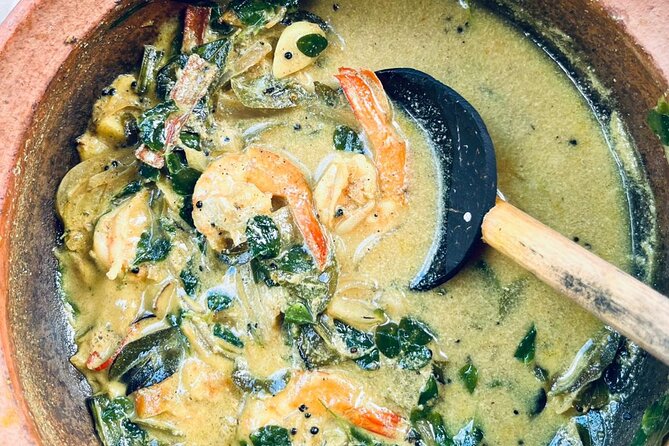
Sri Lanka tastes best from a clay pot. This hands-on class near Kandy takes you into a quiet village home, where a local family prepares a full meal with garden vegetables, herbs, coconut spoons, and a wood-fire stove. I like the fresh garden ingredients and the warm, family-style teaching, with stories about Ayurvedic food traditions woven into the cooking. The small private format also means your group gets to take part, not just watch.
The setting is peaceful and unusually personal. You may cook as many as seven dishes plus roti, then sit down to eat what you made. The main consideration is transport: pickup is not included, and a paid vehicle can be arranged only at an additional cost based on distance and vehicle type.
In This Review
- Key points before you book
- A village kitchen instead of a polished cooking studio
- The garden walk explains the meal before the cooking starts
- Seven dishes, roti, and plenty of hands-on work
- The family touch makes the class feel personal
- What the 11 a.m. start means for your day
- Vegetarian and vegan diners have a clear advantage
- Is $25 a fair price in Kandy?
- Who will enjoy this cooking class most?
- Booking, weather, and cancellation details
- Should you book this Kandy cooking class?
- FAQ
- Where does the cooking class begin?
- What time does the experience start?
- Is transportation included?
- Are vegetarian and vegan meals available?
- Is this a private activity?
- Can I cancel for a full refund?
Key points before you book
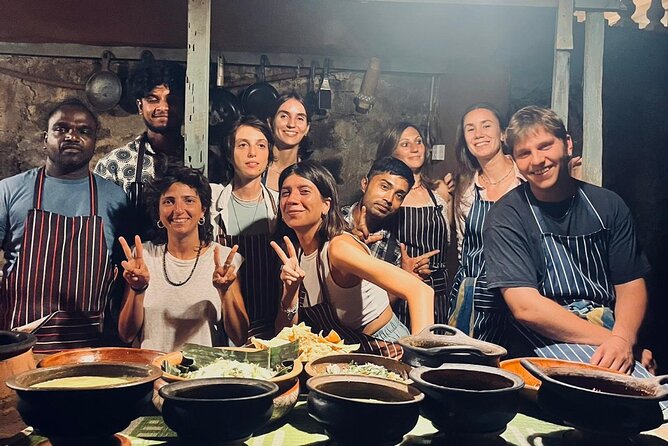
- Garden-to-table cooking: Walk through the resort garden and learn how local plants, herbs, spices, and vegetables are used in Sri Lankan cooking.
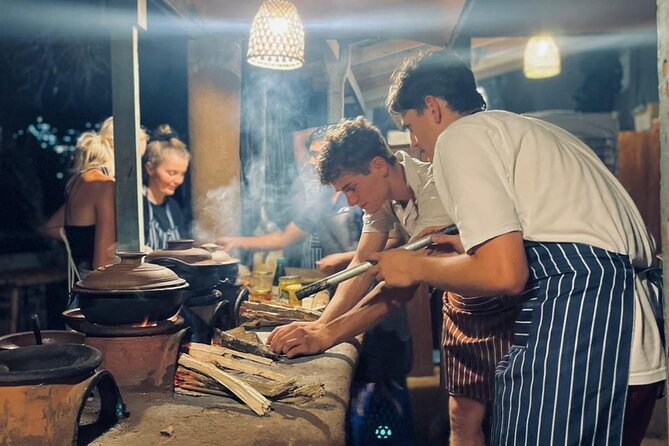
- A real village kitchen: Prepare food over a clay hearth and wood-fire stove, using traditional tools rather than a modern demonstration kitchen.
- A full meal, not a quick lesson: The class can include seven dishes and roti, followed by lunch or dinner made from your work.
- Private group setting: Only your own group takes part, making it easier to ask questions and work directly with the family.
- Vegetarian and vegan friendly: These options are included, so dietary preferences can be handled without a separate surcharge.
- Good value at $25: For about two and a half hours, the price covers the class and meal, though transportation costs extra.
A village kitchen instead of a polished cooking studio
The class begins at Kandy Living Villa & Homestay on Maithree Mawatha, Kandy 20000. The meeting time is 11:00 a.m., and the activity returns to the same point at the end.
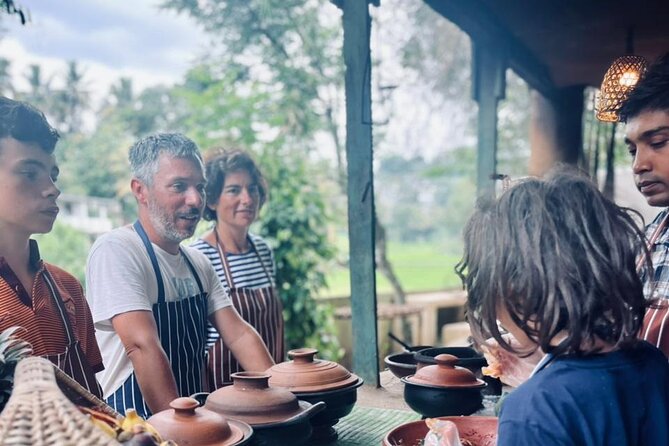
From there, the cooking takes place in a quiet village home surrounded by a garden. The description presents it as a recreation of a grandmother’s kitchen, and that matters. You are not simply handed premeasured ingredients in a bright classroom. The setting connects the food to the family customs that shaped it.
I like this approach because Sri Lankan cooking is about more than the finished curry. The garden, the tools, the fire, the order of preparation, and the way food is served all help explain the cuisine. A modern kitchen can teach you a recipe. This setting gives you a sense of why the recipe belongs here.
The surroundings also slow the pace. While the food cooks, you can have homemade herbal tea or iced tea. That pause is part of the experience rather than dead time. It gives you a chance to chat, watch the pots, and take in the calm of the garden.
One practical point: the experience is private, but private does not mean transportation is bundled in. If you need pickup, an extra fee applies. The amount depends on the distance and the type of vehicle, so ask about the exact cost before confirming a ride.
More Cooking Classes in Kandy
- Sri Lanka Cooking Class with Granny
★ 5.0 · 587 reviews - Kandy Village Cooking Class
★ 5.0 · 536 reviews - Private Traditional Sri Lankan Cooking Class in Kandy with Hotel Transfers
★ 5.0 · 115 reviews
The garden walk explains the meal before the cooking starts
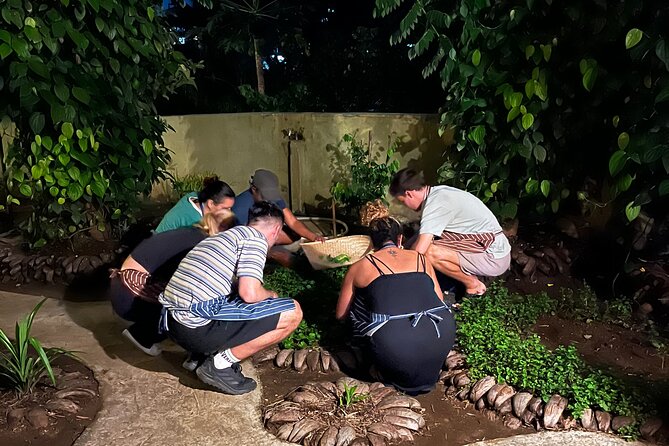
A short garden tour sets the stage. You get to see spices, herbs, and vegetables growing near the kitchen, then hear how they are used and what health benefits are traditionally associated with them.
This is one of the most useful parts for anyone who wants to understand Sri Lankan food rather than simply copy a recipe. Ingredients that may look unfamiliar on a market stall begin to make sense when you see the plant, smell the leaves, and hear how local cooks use them.
The class also connects food with Ayurvedic ideas about health and balance. It is best to treat this as cultural and traditional food wisdom, not as medical advice. Still, it adds context to the meal. You learn why certain herbs and spices appear together and how everyday cooking can be linked to wellness.
Freshness is another strength. Vegetables and herbs are grown organically at the resort, according to the experience details, and many ingredients are picked from the garden. That direct connection is more meaningful than a generic promise of local food. You can see where at least part of the meal begins.
The exact garden route and the number of plants you see are not specified, so do not expect a formal botanical tour. Think of it as a practical introduction that leads naturally into the cooking.
Seven dishes, roti, and plenty of hands-on work
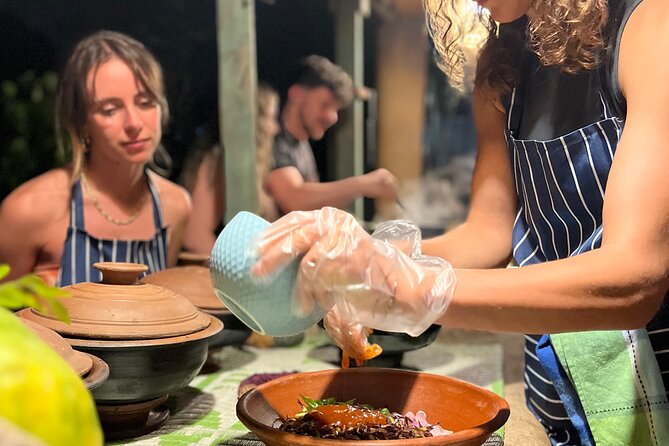
The cooking portion is designed for participation. You help prepare the food instead of sitting at the side while a chef does everything.
The meal can include seven dishes and roti, an impressive amount for a class lasting about two hours and thirty minutes. That variety lets you compare different textures, spice combinations, and cooking methods within one meal. It also gives you more recipes to remember when you return home.
Roti adds a useful change of pace. Curries may simmer while you work on the dough, and the flatbread gives you something practical to shape and cook. I would expect the pace to feel active, especially if you want to take part in every dish.
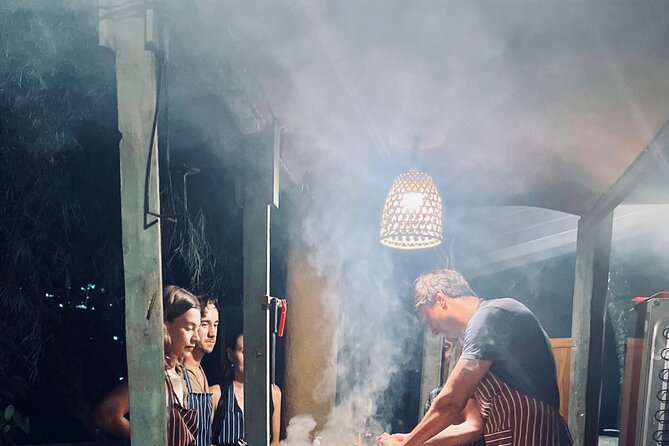
The kitchen uses traditional clay pots, coconut spoons, and a wood-fire stove. These tools are not just props. Clay pots and firewood change how heat reaches the food, and the slower cooking process helps explain why Sri Lankan dishes develop such strong flavor.
At the same time, traditional equipment can be less predictable than a modern stove. Heat may require more attention, and the class may not move with the precision of a timed television demonstration. That is part of the appeal, but it is worth knowing if you want a quick, highly polished lesson.
The chef shares step-by-step methods, family tips, and cultural details as you work. Sandy is mentioned as a helpful host who accommodated a late arrival and made sure the person did not miss the main parts of the lesson. That suggests a flexible, welcoming teaching style, although arriving late can still mean missing the garden introduction or early preparation.
The family touch makes the class feel personal
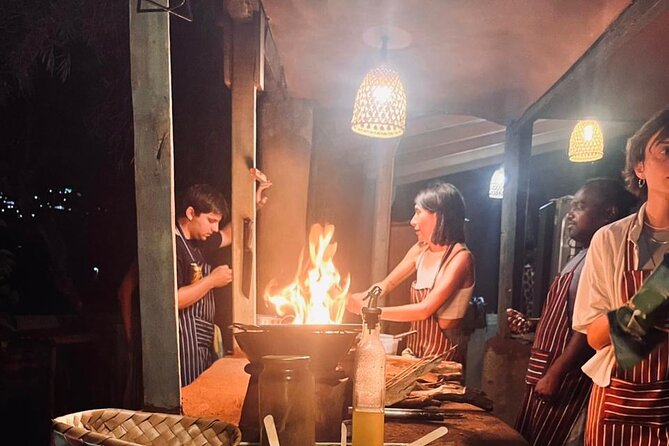
The strongest feature here is the human side. The cooking takes place with a family in a home setting, and the tone is built around stories, laughter, and cultural exchange.
The host family is described as warm and kind, with an auntie showing how the dishes are made. That family role is important in Sri Lankan food culture. Recipes often carry memories, habits, and small techniques that are not written down. Learning from a family member gives the class a more personal feel than a standard commercial lesson.
The small group format helps. Only your own group participates, so you can ask for clarification, repeat a technique, or adjust your work without competing with a large class. One small group had only four people, which allowed for close attention and a quiet evening atmosphere. The exact group size is not fixed in the information provided, but the activity is private.
This setup suits curious eaters who want conversation. If you ask about spices, plants, cooking methods, or family customs, the format should give you room to explore those subjects. It is less suited to someone who wants a silent, tightly timed demonstration with no social element.
The class also has a welcome sense of humor. Cooking over a fire, shaping roti, and working with unfamiliar ingredients can produce a few uneven results. That is a feature, not a failure. You are there to learn how the food comes together, not to win a pastry contest.
More Sri Lankan cooking classes:
- Cooking With Village Family
★ 5.0 · 104 reviews - Kandy Cooking Class with Granny
★ 4.9 · 95 reviews - Private Kandy Authentic Cooking Class
★ 5.0 · 65 reviews - Srilankan Cooking class by FFL kandy
★ 5.0 · 50 reviews
What the 11 a.m. start means for your day
The stated start time is 11:00 a.m., and the session lasts about two and a half hours. That points naturally toward lunch, which is included along with dinner in the package details.
Because the information lists both lunch and dinner, it is wise to clarify which meal is served with your booking. The class description speaks of eating the meal after cooking, while some descriptions refer to a cooking and dinner experience. The fixed 11:00 a.m. start suggests lunch for this schedule, but confirming the serving arrangement removes doubt.
Plan enough time around the class. A garden visit, ingredient discussion, cooking several dishes, tea, and the meal can easily fill the full period. Do not book a train, temple visit, or other timed activity too close to the 1:30 p.m. estimate.
The return point is the same as the meeting point. If you arrange your own transport, this makes the outing easier to plan. The location is near public transportation, though the information does not specify which bus route or how long the trip takes.
For a smooth day, reach Kandy Living Villa & Homestay a little early. The class has a clear 11:00 a.m. start, and the early garden portion may be as valuable as the cooking itself.
Vegetarian and vegan diners have a clear advantage
Vegetarian and vegan options are included. That is a major plus in Sri Lanka, where vegetables, coconut, lentils, rice, and spices can form a satisfying meal without meat.
You should still tell the provider about your dietary needs when booking. The information confirms that both vegetarian and vegan options are available, but it does not explain whether separate utensils, substitutions, or allergy accommodations are provided.
The meal format also makes this a good choice for people who want to eat local food without worrying that a meat-heavy menu will limit their choices. Sri Lankan cooking has enough variety for a plant-based meal to feel like the main event, not a side dish.
I would ask about spice levels if you are sensitive to heat. The experience promises flavorful traditional cooking, but it does not state how spicy the dishes are or whether each recipe can be adjusted. That small question can make the meal more comfortable.
Is $25 a fair price in Kandy?
At $25 per person, this is good value if the class delivers the full meal described. You are paying for about two and a half hours of instruction, access to a private group format, a garden visit, tea, cooking with traditional tools, and lunch or dinner.
The value improves if you enjoy participation rather than simply eating. Seven dishes and roti give you a broad lesson, and the family setting adds something that is hard to price. You are paying for time, food, attention, and local contact in one booking.
The price does not include private transportation. That is the main extra cost to watch. Since the fee depends on distance and vehicle type, the total can vary. If you can reach the meeting point independently, you keep the base price straightforward.
The listing does not state whether recipe cards, hotel pickup, alcoholic drinks, or market visits are included. Do not assume they are. The confirmed inclusions are lunch and dinner, while transportation is specifically excluded.
With a perfect recommendation rate from the available feedback and a rating of 5 from 12 submitted reviews, the experience has made a strong impression. The most repeated praise focuses on the setting, the family welcome, the garden ingredients, the educational explanations, and the chance to cook every dish yourself.
Who will enjoy this cooking class most?
I would choose this class if you want food tied to place and people. The garden, clay kitchen, wood fire, and family recipes create a stronger sense of Sri Lankan daily life than a standard restaurant meal.
It suits:
- Couples looking for a relaxed cultural activity in Kandy
- Families who want children or teens to take part in preparing food
- Vegetarian and vegan diners
- Home cooks who want several Sri Lankan recipes in one session
- Visitors who prefer private experiences over large group classes
- Anyone interested in herbs, spices, and traditional food customs
It may not suit you if you dislike rural or home-style settings, want a short demonstration, or need a fully fixed schedule with no pauses. The experience is built around conversation and a slower rhythm.
People with mobility or medical concerns should ask the provider for more details before booking. The information confirms the meeting point and nearby public transportation, but it does not give accessibility details for the village home, garden, clay hearth, or wood-fire kitchen.
Booking, weather, and cancellation details
Confirmation is provided at the time of booking, and the activity uses a mobile ticket. Keep the ticket available on your phone when you arrive.
Free cancellation is available up to 24 hours before the 11:00 a.m. start time for a full refund. Within 24 hours, cancellations and changes are not accepted and the payment is not refunded.
The activity depends on good weather. If poor weather causes cancellation, you can choose another date or receive a full refund. This is worth remembering because the garden tour and outdoor kitchen are central to the experience.
Should you book this Kandy cooking class?
Book it if you want to cook a full Sri Lankan meal in a real family setting, especially if the garden, traditional tools, and personal stories appeal to you. The combination of seven possible dishes, roti, tea, and a shared meal gives the $25 price strong value.
Before paying, confirm the meal timing, ask about transportation, and mention any dietary or spice concerns. If you want a polished studio lesson, this may feel rustic. If you want a calm, hands-on look at how Sri Lankan food connects to home, health, and family, it is an easy choice in Kandy.
FAQ
Where does the cooking class begin?
It begins at Kandy Living Villa & Homestay, Maithree Mawatha, Kandy 20000, Sri Lanka.
What time does the experience start?
The stated start time is 11:00 a.m. The activity lasts about two hours and thirty minutes and ends back at the meeting point.
Is transportation included?
No. Private transportation is not included. Pickup can be arranged for an additional charge based on the distance and vehicle type.
Are vegetarian and vegan meals available?
Yes. Vegetarian and vegan options are included.
Is this a private activity?
Yes. Only your own group participates in the activity.
Can I cancel for a full refund?
Yes, if you cancel at least 24 hours before the experience start time. Cancellations or changes made within 24 hours are not refunded or accepted. If poor weather causes the activity to be canceled, you will be offered another date or a full refund.
Just added around Kandy
- Evening Tour at the Last Kingdom of Sri Lanka, Kandy★ 5.0 · 3 reviews
- Tour to Dambulla Cave, Sigiriya and Pidurangala Rock from Kandy★ 5.0 · 3 reviews
- Day Tour Kandy to Sigiriya with Dambulla Cave Temple Excursion★ 5.0 · 3 reviews
- Private Day tour from Kandy to Sigiriya, Dambulla & Pidurangala★ 5.0 · 3 reviews
- Kandy To Dambulla and Sigiria City Full Day by Laka Tours★ 5.0 · 3 reviews
- Full Day Tuk Tuk Tour – Explore Kandy with Local Expert★ 4.1 · 3 reviews
- Kandy to Ella★ 5.0 · 3 reviews
- From Kandy: Wilpattu National Park Safari with Hotel Pickup★ 5.0 · 3 reviews
Cooking Classes, compared.


Organic cooking class sigiriya (kumara & family)
Read our review →


Sri Lankan Cooking Class with Neranji at Homestay
Read our review →

Browse the lists this tour appears in