
Reviewed · COOKING CLASSES
Nilaveli: Sri Lankan Cooking Class with a Local Family
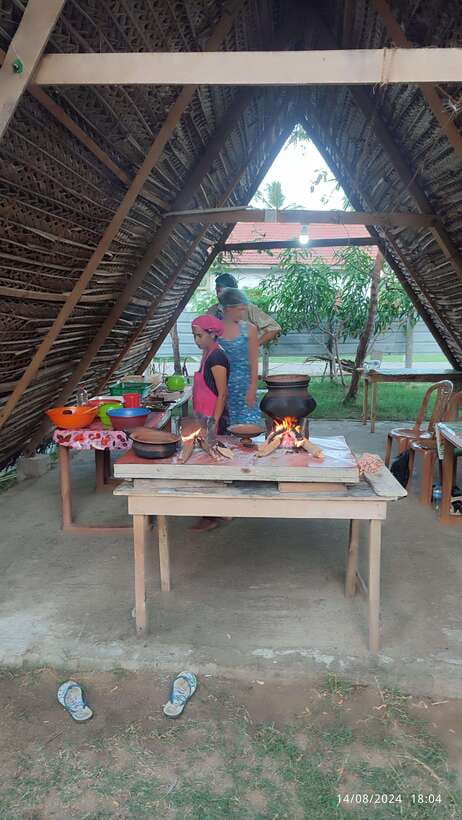
Come hungry, leave with recipes. This five-hour cooking class in Nilaveli takes you into the home and kitchen of Nimali Dinushika and her family, where you prepare Sri Lankan staples such as rice and curry, string hoppers, hoppers, pittu, rotti, and milk rice. I especially like the family setting and the chance to cook with firewood and traditional wood stoves rather than watching a polished kitchen demonstration.
The other big strength is hands-on variety. You do not make one curry and call it a day. You may prepare sambols, sweets, curry powder, and several main dishes before sitting down to eat. The main consideration is that chicken, fish, and seafood cost extra, and people with food allergies are specifically advised not to book.
In This Review
- Key things to know before booking
- A home kitchen, not a staged cooking show
- What the five-hour cooking session includes
- Starting with ingredients and spices
- Preparing rice and curry
- Making string hoppers, hoppers, pittu, and rotti
- Mixing sambols and making sweets
- Cooking over firewood and traditional stoves
- Sitting down to eat what you made
- The personal touch from Nimali and her family
- Meeting point and planning your day in Nilaveli
- Is $22 good value?
- Who will enjoy this class most?
- Should you book the Nilaveli cooking class?
- FAQ
- How long does the cooking class last?
- Where does the class meet?
- What dishes can I learn to make?
- Is food included in the price?
- Do chicken, fish, and seafood cost extra?
- Is the activity suitable for children or people with allergies?
Key things to know before booking
- You cook beside Nimali and her family, not in a formal culinary school.
- The five-hour schedule includes cooking and dining, with one recent booking describing about four hours of preparation and one hour of eating.
- Traditional wood stoves and firewood add character, though they may be less comfortable than a modern kitchen.
- The menu can include many Sri Lankan favorites, from hoppers and pittu to string hoppers, curries, sambols, rotti, and milk rice.
- Chicken or fish costs an extra 2,000 LKR per person, while seafood is priced according to what you request.
- The class meets at Pigeon Island Tours, at The Rice and Curry seafood restaurant and dive shop location.
A home kitchen, not a staged cooking show
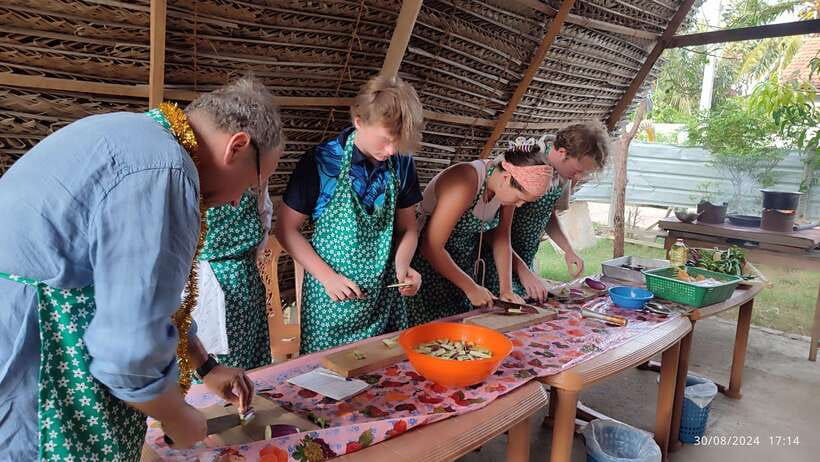
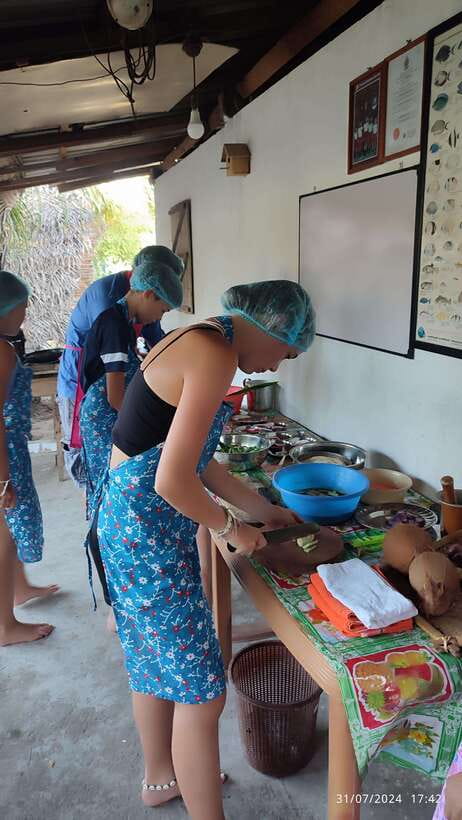
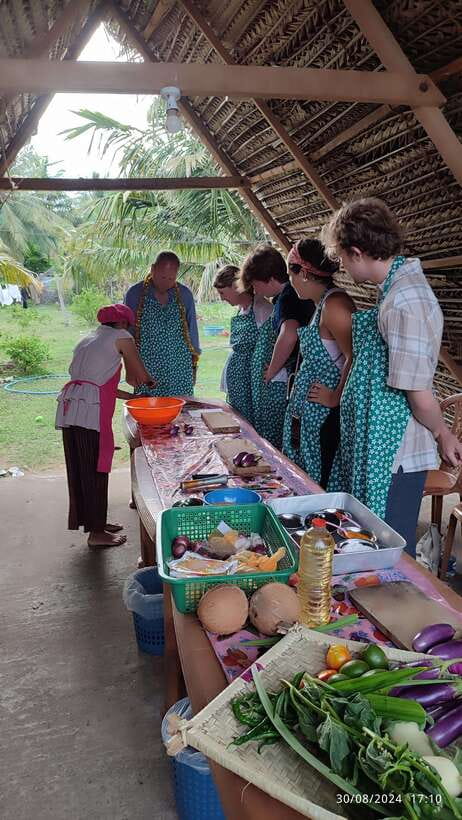
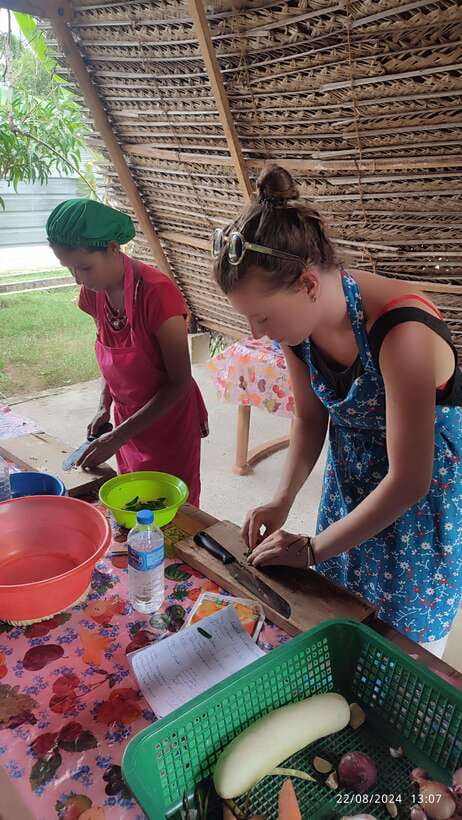
This class is built around personal contact. You meet Nimali Dinushika and her family, hear about their daily lives, and learn how the food they cook fits into Sri Lankan home life. That difference matters. You are not simply copying a chef’s movements in a commercial kitchen. You are spending time in a traditional home setting and helping prepare food in the way the family normally does it.
The setting may be at the family home or in the garden beside it. One recent experience lasted five hours, with roughly four hours of cooking followed by an hour at the table. That is a generous amount of time for a $22 activity, especially if you enjoy asking questions and taking things slowly.
I would not expect a quiet, highly structured classroom with printed stations and individual workbenches. The charm comes from the informal family atmosphere. That may suit you perfectly if you want a personal introduction to local life. If you prefer strict timing, modern equipment, or a professional demonstration kitchen, this could feel more rustic than polished.
The class is conducted in English, with Sinhala also available. Nimali and her family can explain the ingredients, spices, and cooking methods as you work. Bring comfortable clothing suitable for cooking, plus a hat and sunscreen. The cooking may happen partly outside, so simple clothes that can handle a splash of curry or coconut milk are a sensible choice.
More Sri Lankan cooking classes:
- Ella: Traditional Sri Lankan Cooking Class
★ 4.9 · 788 reviews - Organic cooking class sigiriya (kumara & family)
★ 5.0 · 650 reviews - Sri Lanka Cooking Class with Granny
★ 5.0 · 587 reviews
What the five-hour cooking session includes
The exact menu can vary, and you are asked to share dietary preferences or allergies in advance. The core experience usually centers on Sri Lankan home cooking, with several dishes prepared in one session.
Here is how the cooking generally unfolds based on the dishes and methods offered:
Starting with ingredients and spices
You begin by learning about the ingredients used in Sri Lankan cuisine. This is an important part of the class because Sri Lankan food depends on more than heat from chili. Coconut, rice, curry leaves, spices, sambols, and different cooking textures all play a role.
You also learn how to prepare Sri Lankan curry powder. That gives you something useful to take home in your head, even if you cannot carry a wood stove in your suitcase. The class includes recipes for the traditional dishes, so you can try to repeat the meal later.
The experience can also include making Sri Lankan sweets. A particularly memorable dish from one session was halapa, a traditional dessert served with tea. This adds a welcome change from the curries and helps you see how coconut and other local ingredients appear in both savory and sweet food.
Preparing rice and curry
Rice and curry is the main event in many Sri Lankan meals, but it is not one fixed recipe. The appeal lies in the combination of rice, curries, sambols, and side dishes, each with its own flavor and texture.
You may help prepare several curries, with vegetarian options available. Jackfruit appeared in one meal, alongside rice, string hoppers, and multiple curries. If you want chicken or fish curry, expect to pay an additional 2,000 LKR per person. Seafood dishes carry a further charge based on your request.
That extra cost is worth considering before you book. At $22 per person, the base price is attractive for a five-hour cooking and dining experience, but a seafood menu can move the final cost higher. Ask about the menu in advance if a particular protein is important to you.
A few more tours worth weighing up
- Galle: Traditional Gems & Jewellery Workshop with Transfers
★ 4.9 · 539 reviews - Kandy Village Cooking Class
★ 5.0 · 536 reviews - Sea waves sri lankan cooking class
★ 5.0 · 467 reviews - Ella: Sri Lankan Cooking Class with Neranji at Homestay
★ 5.0 · 276 reviews
Making string hoppers, hoppers, pittu, and rotti
The class offers several well-known Sri Lankan staples, and each gives you a different look at the country’s cooking traditions.
String hoppers are delicate steamed rice noodle cakes, often served with curries and coconut-based accompaniments. Making them yourself is more interesting than simply ordering them at a restaurant because you see the care needed to form and cook them.
Hoppers are bowl-shaped pancakes, usually made from a fermented batter. They are associated with breakfast and light meals, but they fit naturally into this class because they show how rice flour and coconut milk can create a very different texture from plain rice.
Pittu is another rice and coconut preparation, while rotti gives you a more direct flatbread-style task. Preparing several of these dishes in one afternoon helps you understand why Sri Lankan meals feel so varied, even when they rely on a familiar group of ingredients.
You may also prepare milk rice, known locally as kiribath. It is a simple but important dish made with rice and milk, and it provides a useful contrast to the stronger spices in the curries and sambols.
Mixing sambols and making sweets
Sambols bring freshness, heat, and bite to the meal. One memorable session included two sambols made with fresh coconut, after a participant opened a coconut that had recently fallen from a palm and drank the water.
That detail captures the spirit of the activity. You are not simply measuring ingredients from packets. You may handle a coconut, learn how it is opened, and see how it becomes part of more than one dish. Still, the exact activities depend on the day and the chosen menu, so treat this as a possible highlight rather than a guaranteed step.
Cooking over firewood and traditional stoves
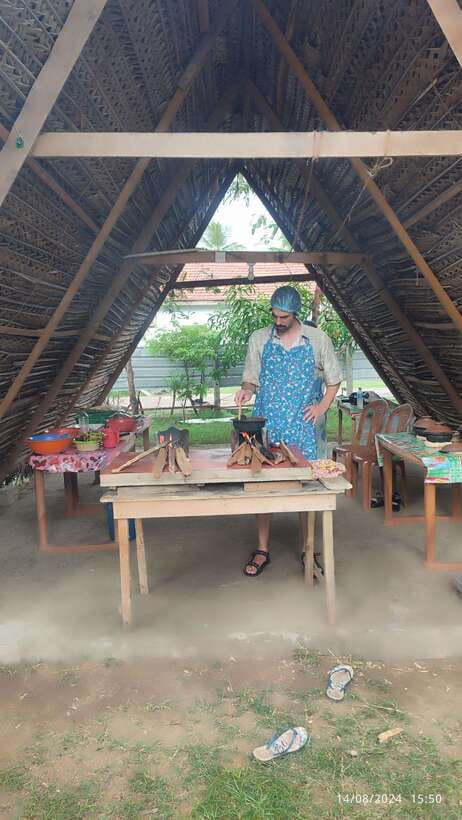
The use of firewood and wood stoves is one of the class’s most distinctive features. It connects the meal to older Sri Lankan cooking methods and gives you a clearer sense of how food is prepared outside a modern electric kitchen.
There is real value here. Heat control, timing, and the pace of cooking feel different when the fire is part of the process. You gain a better appreciation for the work behind a meal that can look simple when it arrives at the table.
The trade-off is comfort. Wood smoke and outdoor heat may not suit everyone, particularly on a hot day. The class takes place in a traditional home setting, and you should dress for practical cooking rather than an air-conditioned restaurant. If you have mobility concerns, the experience is listed as wheelchair accessible, but it is still sensible to confirm the precise cooking area when booking.
The traditional setup also means you should expect a hands-on session rather than a quick activity for photos. Five hours is a substantial block of your day. I see that as a strength if food is a main reason you visit Sri Lanka, but it may feel long if you only want a short introduction.
Sitting down to eat what you made
After the cooking, you sit down for the meal. This final hour is not an afterthought. It gives you time to taste the differences between the dishes, compare textures, and see how separate items work together as a Sri Lankan spread.
The included meal is a major part of the value. Your fee covers the ingredients, personal cooking equipment, water, a refreshment, recipes, and dining. You are paying for instruction and a full food experience, not just a tasting plate.
Menus can include rice, several curries, string hoppers, jackfruit, sambols, sweets, and tea. Drinks can also include fresh orange juice. The precise dishes depend on the menu selected and any requests you make.
I recommend telling Nimali what you would like to cook before the session begins. The experience allows some menu choice, including vegetarian, fish, and meat options, but fish and chicken require an additional charge. Seafood is extra according to the request, so clear communication will help prevent surprises.
The personal touch from Nimali and her family
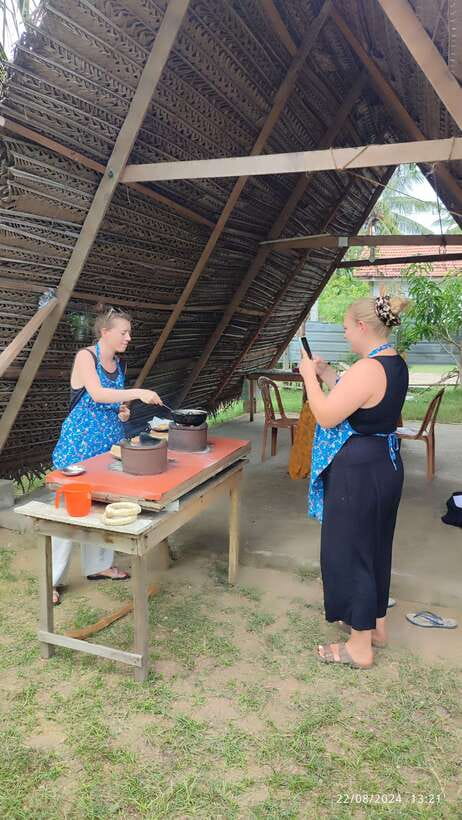
The strongest part of this activity is the family welcome. You cook alongside Nimali and, depending on the booking, her husband and other family members. The atmosphere is informal and warm, with time to talk as well as work.
That personal element makes the class useful beyond food. You get a small window into family life in Nilaveli and learn about the dishes people prepare at home. It is a better fit for you if you enjoy conversation, shared tasks, and learning through participation.
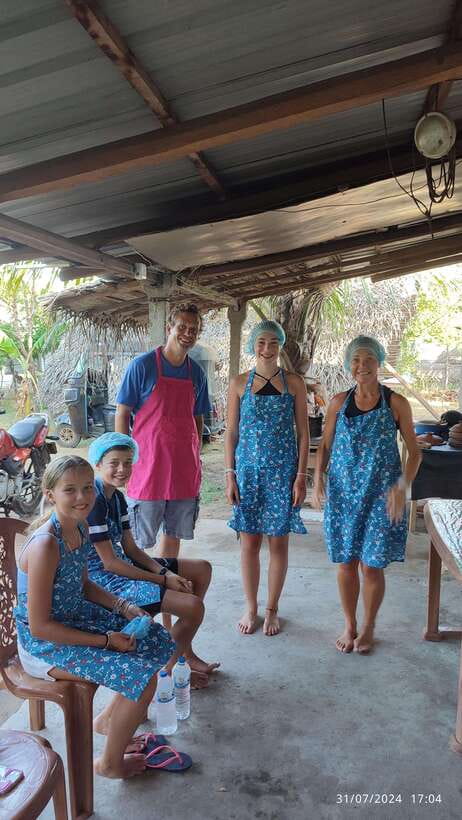
Families with young children can also find plenty to interest them. One booking included children aged four and six who joined in with the cooking. Children under two are not considered suitable for the activity, and the five-hour duration may be tiring for very young children even when they are old enough to participate.
The class is not recommended for people with food allergies. You should still provide any dietary information in advance, but the stated restrictions mean you need to take this warning seriously. A traditional home kitchen may not offer the same separation of ingredients as a specialized allergy-friendly cooking school.
Meeting point and planning your day in Nilaveli
You meet at Pigeon Island Tours, at The Rice and Curry seafood restaurant and dive shop location. Hotel pickup and drop-off are not included, so you need to arrange your own way to the meeting point.
This makes the class easiest to combine with other plans in Nilaveli if you are already staying nearby. Pigeon Island Tours also offers other activities, including snorkeling, safaris, and marine excursions, so you may be able to organize several outings through the same local operator. The cooking class itself, however, is the focus here and should be treated as a half-day commitment.
Starting times vary, so check availability for the date you want. The activity is available in English and Sinhala. You can cancel up to 24 hours in advance for a full refund, and the reserve-now, pay-later option keeps your schedule flexible.
Smoking, alcohol, drugs, and pets are not allowed. These rules fit the family-home setting and help keep the kitchen safe and comfortable.
Is $22 good value?
Yes, if you want a long, personal food experience rather than a short demonstration. For $22 per person, you receive five hours of activity, ingredients, equipment, recipes, refreshments, and the meal you prepare. The family setting adds a level of contact that is difficult to price like an ordinary restaurant meal.
The value is strongest for people who want to understand how Sri Lankan dishes are made. You learn several recipes instead of preparing one signature dish, and the menu can include staples that are not always familiar outside Sri Lanka.
The price is less straightforward if you want meat or seafood. Chicken or fish costs an extra 2,000 LKR per person, while seafood is charged according to the request. Hotel transportation is also separate, so include your transfer cost when planning your budget.
Still, the base rate remains reasonable for a five-hour class and meal. I would compare it with the cost of a good restaurant dinner and ask which experience you will remember longer. Here, you eat the food, help make it, and receive recipes to use later.
Who will enjoy this class most?
I would choose this experience if you:
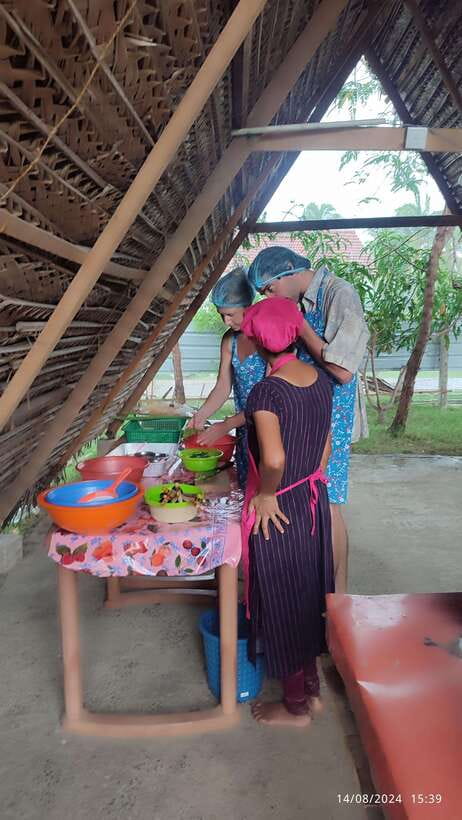
- Enjoy cooking with other people rather than watching from the side
- Want an introduction to Sri Lankan home food
- Like trying several dishes in one meal
- Appreciate traditional methods, including wood stoves
- Are comfortable spending five hours in a family-home setting
- Want to meet local people in a relaxed setting
- Prefer a small, personal activity to a formal culinary school
It is less suitable if you have serious food allergies, want a short class, dislike smoke or outdoor heat, or need hotel transportation included. It may also be a poor match if you want a fixed menu with no additional charges for meat or seafood.
The five-star rating from 16 bookings supports the main strengths of the experience, especially the food, the family welcome, and the chance to take part in the whole process. A perfect rating does not remove the practical limits, but it does fit the kind of activity being offered: personal, home-based, generous, and food-focused.
Should you book the Nilaveli cooking class?
Book it if you want more than a plate of Sri Lankan food. Nimali Dinushika and her family offer a direct way to learn how rice, coconut, spices, sambols, hoppers, curries, and sweets come together in a home kitchen.
The best reason to go is the combination of family contact and practical cooking. You may prepare a broad menu, cook over firewood, learn traditional recipes, and then share the meal at the same table.
Before booking, confirm your preferred menu and the extra cost for chicken, fish, or seafood. Arrange your own transport to Pigeon Island Tours, wear comfortable clothes, and avoid booking if food allergies are a concern. If those points work for you, this is a very good-value half-day experience in Nilaveli and one of the more personal ways to get to know Sri Lankan food.
FAQ
How long does the cooking class last?
The activity lasts five hours. This includes cooking and dining, with the cooking portion taking about four hours and the meal taking about one hour.
Where does the class meet?
The meeting point is Pigeon Island Tours, at The Rice and Curry seafood restaurant and dive shop location in Nilaveli.
What dishes can I learn to make?
The class can include rice and curry, string hoppers, hoppers, pittu, rotti, milk rice, Sri Lankan sweets, sambols, and curry powder. The exact menu may vary.
Is food included in the price?
Yes. The price includes cooking ingredients, personal cooking equipment, water, a refreshment, recipes, and dining after the cooking session.
Do chicken, fish, and seafood cost extra?
Yes. Chicken or fish curry costs an additional 2,000 LKR per person. Seafood has an extra charge that depends on what you request.
Is the activity suitable for children or people with allergies?
Children under two are not considered suitable. The activity is not suitable for people with food allergies, and you should share dietary restrictions in advance.
Just added around Trincomalee
- Trincomalee : Whale & dolphin watching +pigeon island tour★ 4.5 · 3 reviews
- Trincomalee: Guided scooter City Tour★ 5.0 · 3 reviews
- Trincomalee: Tuk-Tuk city tour with a guide★ 5.0 · 4 reviews
- Trincomalee : pigeon island tour + snorkeling★ 3.5 · 4 reviews
- Snorkeling in Trincomalee★ 5.0 · 4 reviews
- Trincomalee:Whale Watching,Snorkeling with turtles & fishes★ 5.0 · 4 reviews
- Trincomalee: Whales watching with Swim With Whale & Dolphin★ 5.0 · 5 reviews
- Nilaveli: Lagoon Boat Safari with Mangrove Exploration★ 3.8 · 5 reviews
Cooking Classes, compared.


Organic cooking class sigiriya (kumara & family)
Read our review →


Sri Lankan Cooking Class with Neranji at Homestay
Read our review →

Browse the lists this tour appears in