
Reviewed · COOKING CLASSES
Organic Cooking Class with Garden Visit by Sinhagiri
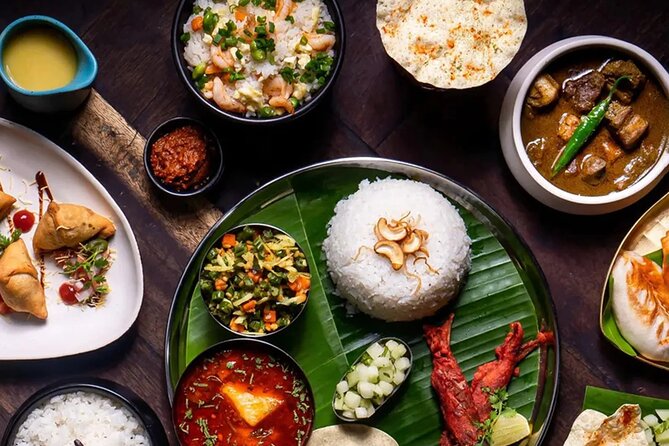
Fresh curry starts in the garden. This three-hour Sigiriya class takes you from picking vegetables to eating a home-cooked Sri Lankan meal, with a local housewife guiding the kitchen work. I like the small group of no more than five people, which should make it easier to ask questions and follow each step. I also like the clear farm-to-plate format: you see the ingredients, prepare them, and eat what you make.
The main consideration is value. At $28 per person, this is not the cheapest meal activity in Sri Lanka, and the garden may not feel perfectly maintained. Still, the cooking itself earns strong marks, with a 5 out of 5 rating based on 66 reviews and a 100 percent recommendation rate.
In This Review
- Key points at a glance
- Starting at 4:00 pm near Sigiriya
- Choosing vegetables in the organic garden
- Moving from the garden to a traditional kitchen
- Preparing a Sri Lankan rice-and-curry meal
- Sitting down to eat what you cooked
- What the $28 price includes in practical terms
- Who will enjoy this Sigiriya cooking class
- Practical details before you book
- Should you book the Sinhagiri cooking class?
- FAQ
- Where does the cooking class begin?
- What time does the experience start?
- How long does the activity last?
- What happens during the class?
- How many people can join?
- Can I cancel for a full refund?
Key points at a glance
- Fresh ingredients begin in the garden: Walk around the organic garden and pick vegetables for the meal.
- A real home-style kitchen: Cook with an experienced local housewife rather than watching a formal demonstration from a distance.
- Small groups keep it personal: The class accepts a maximum of five people.
- A useful evening schedule: The 4:00 pm start fits well after a morning visit to Sigiriya Rock or nearby sights.
- You eat what you prepare: The lesson ends with your own Sri Lankan rice-and-curry meal.
- Strong cooking feedback: Clean facilities, easy-to-follow instruction, friendly hosts, and excellent food are the main strengths.
Starting at 4:00 pm near Sigiriya
The class begins at Green Hut Nature Resort on Temple Road in New Town, Sigiriya. You return to this same meeting point at the end, so the outing is simple to plan as a stand-alone activity.
The 4:00 pm start is one of the better features of the schedule. Sigiriya sightseeing can take much of the day, especially if you visit the rock fortress, and this class gives you a useful evening plan without asking you to wake early. You should allow about three hours from start to finish.
The meeting point is near public transportation, according to the supplied details. The information does not specify hotel pickup, so you should plan to reach Green Hut Nature Resort yourself unless the provider confirms another arrangement after booking.
A mobile ticket makes the practical side easy. Confirmation is received at booking, which helps if you are building a tight Sigiriya itinerary.
More Sri Lankan cooking classes:
- Organic cooking class sigiriya (kumara & family)
★ 5.0 · 650 reviews - Cooking Class: Sajee’s Place Cooking Class sigiriya
★ 5.0 · 117 reviews - Organic Cooking Class sigiriya home Kitchen(Kumara & family)
★ 5.0 · 116 reviews
Choosing vegetables in the organic garden
The first part takes place outdoors. You walk through the garden, learn about the produce, and choose vegetables for the cooking session.
That step gives the meal some meaning. Instead of arriving at a kitchen with ingredients already measured out, you see where part of the meal begins. You get a better sense of the vegetables used in everyday Sri Lankan cooking, then carry those ingredients into the next stage.
The garden should be treated as a short, useful introduction rather than a major botanical visit. One person found the garden tour a little thin because the grounds were not fully well kept. That is fair criticism, and you should not book this class expecting a polished farm attraction.
Still, the garden serves its main purpose. It links the cooking to local produce and adds a pleasant outdoor start before you sit down in the kitchen. If you enjoy learning by doing, picking the vegetables makes the class more memorable than a standard cooking demonstration.
The supplied information does not name the individual plants or list the exact vegetables available on the day. That means the menu can depend on what is growing and what the cook has prepared. Think of this as a chance to work with seasonal ingredients, not a fixed lesson with a guaranteed recipe list.
Moving from the garden to a traditional kitchen
After the garden visit, you head to the kitchen and begin preparing the meal with an experienced housewife. This is the heart of the activity.
The format sounds relaxed and practical. You are not simply watching someone prepare curry while standing at the edge of the room. You take part in the preparation, receive step-by-step guidance, and learn techniques that you can try at home.
That distinction matters. Sri Lankan cooking often depends on timing, texture, and the order in which ingredients are added. A local cook can show you the process as it is used in a home setting, rather than reducing it to a short performance for visitors.
The kitchen was described as traditional, clean, and well prepared. Those details matter more than fancy decoration. Cooking is much more enjoyable when the tools and work surfaces feel organized, especially if you are sharing the space with a few other people.
Instruction is another strong point. The cooking was described as easy to follow, and the host’s English was considered excellent. You should still expect an informal lesson rather than a professional culinary school. The appeal is the personal setting and the chance to prepare a familiar local meal with someone who cooks it regularly.
Preparing a Sri Lankan rice-and-curry meal
The main dish is an authentic local rice-and-curry meal, prepared with the vegetables selected in the garden. The exact curry or combination of side dishes is not specified, so you should not assume a particular recipe before arriving.
That uncertainty is not necessarily a weakness. Sri Lankan rice and curry is not one single dish. It often refers to a plate built from rice, a curry, and several vegetable preparations, with flavor coming from spices, coconut, and careful cooking. The class gives you a basic working lesson in that style of food.
The best part is the step-by-step approach. You can watch how the cook handles each stage, ask questions, and pick up methods that are easier to remember because you use them immediately. The practical value is higher than simply eating a restaurant meal, especially if you want to recreate Sri Lankan flavors back home.
I would pay attention to the small actions: when ingredients go into the pot, how the curry changes as it cooks, and how the vegetables are prepared. Those are the details that often make the difference between a dish that tastes flat and one that tastes like the meal you had in Sri Lanka.
The available information does not promise a printed recipe or take-home ingredient list. If you want to repeat the dish later, bring a phone or small notebook and ask permission to record the key ingredients and steps.
A few more tours worth weighing up
- Organic Cooking Class Sigiriya TASTY TASKS
★ 5.0 · 17 reviews - Sigiriya Rock Climb, Village Tour+Cooking Class & Elephant Safari
★ 5.0 · 9 reviews - Ella: Traditional Sri Lankan Cooking Class
★ 4.9 · 788 reviews - Sri Lanka Cooking Class with Granny
★ 5.0 · 587 reviews
Sitting down to eat what you cooked
Once the cooking is finished, you sit down and taste the meal. This gives the class a proper ending rather than leaving you with half-finished ingredients and a quick goodbye.
The food received some of the strongest praise. It was described as incredible, and the full experience included a fresh mango juice welcome drink. That drink is a small detail, but it sets a friendly tone at the start and gives you something refreshing before the kitchen work begins.
Eating your own cooking also helps you judge the process. You can see how the garden vegetables, spices, and cooking methods come together. The tutor continues sharing tips during the meal, so the final stage is not just a meal break.
The social side is part of the appeal. The hosts were described as friendly and funny, with English good enough to make the lesson comfortable. With only five people allowed, you should have a better chance to speak directly with the cook than you would in a large group class.
This is a good choice if food is one of your main ways to connect with a place. You get a meal, but you also get a look at how local cooking works in a home setting. If you want a polished restaurant tasting menu or a highly technical chef-led course, this will feel too casual.
What the $28 price includes in practical terms
At $28 per person, the price covers about three hours of instruction, the garden visit, ingredients, cooking, and the meal you prepare. The welcoming mango juice is also included in the described experience.
The value depends on what you want from the afternoon. If you only want dinner, you can eat more cheaply in Sigiriya. If you want a personal food activity with instruction and a meal, the price is more reasonable, particularly because the group is limited to five people.
I would call it fair rather than a bargain. The positive side is the personal attention, fresh produce, clean kitchen, and full meal. The weaker side is the modest garden visit, which may not feel highly developed or especially long.
The class becomes better value when two things matter to you: learning techniques you can use at home and meeting a local cook in a small setting. It becomes weaker value if you are mainly paying for a large garden tour or a long list of dishes.
The 100 percent recommendation rate and 5 out of 5 average rating are encouraging, but one rating of 4 out of 5 gives the useful warning: the activity can feel a little expensive, and the garden may be less tidy than expected. I would use that as a reason to set realistic expectations, not as a reason to dismiss the class.
Who will enjoy this Sigiriya cooking class
I would recommend it to food-focused visitors who want more than a restaurant meal. You get direct participation, simple instruction, and a chance to understand local ingredients before eating them.
It also suits couples, families, and small groups of friends who prefer a quiet activity. The five-person maximum should help the class feel personal, though the booking information does not say whether children have a minimum age or special arrangements.
It is a good fit after a busy sightseeing day. The afternoon start leaves the morning and early afternoon open for Sigiriya Rock or other local plans, then gives you a seated meal at the end of the day.
You may want to skip it if you dislike cooking, expect a highly decorated garden, or want a fixed menu with exact dishes guaranteed in advance. The garden is an ingredient stop, not the main attraction, and the menu can change with available produce.
Vegetarians may find the format appealing because the described meal centers on vegetables and curry, but the supplied details do not state that the class is exclusively vegetarian or that special dietary requests can be handled. Ask Sinhagiri Tours before booking if your diet requires changes.
Practical details before you book
You can cancel for a full refund if you do so at least 24 hours before the 4:00 pm start time. Changes or cancellations made within 24 hours are not accepted for a refund, and the cut-off uses local Sri Lankan time.
The class ends back at Green Hut Nature Resort. Since no hotel transfer is listed, check your route to Temple Road in New Town before the day begins.
Wear something comfortable for walking in the garden and cooking. The supplied details do not give a dress code, so simple practical clothing is the safest choice. You should also be ready for an informal home kitchen rather than a commercial cooking studio.
The mobile ticket is convenient, and booking confirmation arrives at the time of reservation. Since the activity has a maximum of five people, booking ahead is sensible if the 4:00 pm time fits your schedule.
Should you book the Sinhagiri cooking class?
Book this class if you want a personal, good-natured introduction to Sri Lankan cooking, with real participation from garden to table. The excellent food, clear instruction, clean traditional kitchen, friendly hosts, and small group make it more than a standard meal.
I would not book it for the garden alone. The grounds may be a little rough, and the $28 price is higher than the cost of an ordinary meal. But if you count the vegetables, instruction, cooking time, mango juice, and shared meal, the price is defensible.
For most food lovers spending time in Sigiriya, I think it is a worthwhile evening choice. Go expecting a relaxed local cooking lesson, not a polished farm tour or formal chef course, and you are likely to get the best from it.
FAQ
Where does the cooking class begin?
The class begins at Green Hut Nature Resort, Temple Road, New Town, Sigiriya 21120, Sri Lanka.
What time does the experience start?
The cooking class starts at 4:00 pm local time.
How long does the activity last?
The experience lasts approximately three hours.
What happens during the class?
You walk through the garden, pick vegetables for cooking, prepare a Sri Lankan rice-and-curry meal with an experienced housewife, and eat the food you make.
How many people can join?
The activity has a maximum of five travelers.
Can I cancel for a full refund?
Yes. You can cancel at least 24 hours before the start time for a full refund. Cancellations or changes made less than 24 hours before the start time are not refunded.
Just added around Sigiriya
- Tour to Dambulla Cave, Sigiriya and Pidurangala Rock from Kandy★ 5.0 · 3 reviews
- Day Tour Kandy to Sigiriya with Dambulla Cave Temple Excursion★ 5.0 · 3 reviews
- Private Day tour from Kandy to Sigiriya, Dambulla & Pidurangala★ 5.0 · 3 reviews
- Colombo: Sigiriya Rock Fortress & Dambulla Cave Temple Tour★ 4.3 · 3 reviews
- Private day tour to Sigiriya and Dambulla from Colombo★ 5.0 · 3 reviews
- Full Day Tour to Sigiriya & Dambulla from Negombo★ 5.0 · 3 reviews
- From Colombo: Sigiriya and Dambulla Full-Day Private Tour★ 3.4 · 3 reviews
- Half Day – Minneriya National Park Safari Tour From Habarana/Sigiriya★ 3.5 · 3 reviews
Cooking Classes, compared.


Organic cooking class sigiriya (kumara & family)
Read our review →


Sri Lankan Cooking Class with Neranji at Homestay
Read our review →

Browse the lists this tour appears in