
Reviewed · COOKING CLASSES
Private cooking class – Personalized classic menu
Put curry paste at the center of dinner. This private Sri Lankan cooking class turns spices, fresh ingredients, and familiar home dishes into a hands-on lesson shaped around your tastes. I like the tailor-made menu and the way Sithara and Upali explain not just what to do, but why each step matters.
I also like that the class bridges old and new methods. You learn traditional Sri Lankan techniques, then see how to repeat them in a modern kitchen at home. The main consideration is pace: three hours can feel brisk if you choose a large menu, especially since some sessions have covered 10 or 11 dishes.
In This Review
- Key points at a glance
- A private welcome at Sithara and Upali’s home
- Your menu is decided before you cook
- Spices explain the heart of Sri Lankan cooking
- From fresh string hoppers to roti and sambal
- Three hours, often split into two cooking rounds
- A warm lesson, with room for real questions
- What the $42 price includes
- Pickup and planning details that matter
- Who should book this cooking class
- Should you book Sweetvalley Cooking School?
- FAQ
- How long does the private cooking class last?
- How much does the class cost?
- Is hotel pickup and drop-off included?
- Is the class private?
- What language is the class taught in?
- Can the menu be changed for dietary restrictions?
- What types of dishes can be prepared?
- Can I choose dishes I want to learn?
- What is the cancellation policy?
Key points at a glance
- A private lesson with Sithara and Upali: You cook in an intimate home setting rather than joining a large class.
- A menu built around you: Dietary needs, preferred dishes, and the amount you want to learn can be discussed before the session.
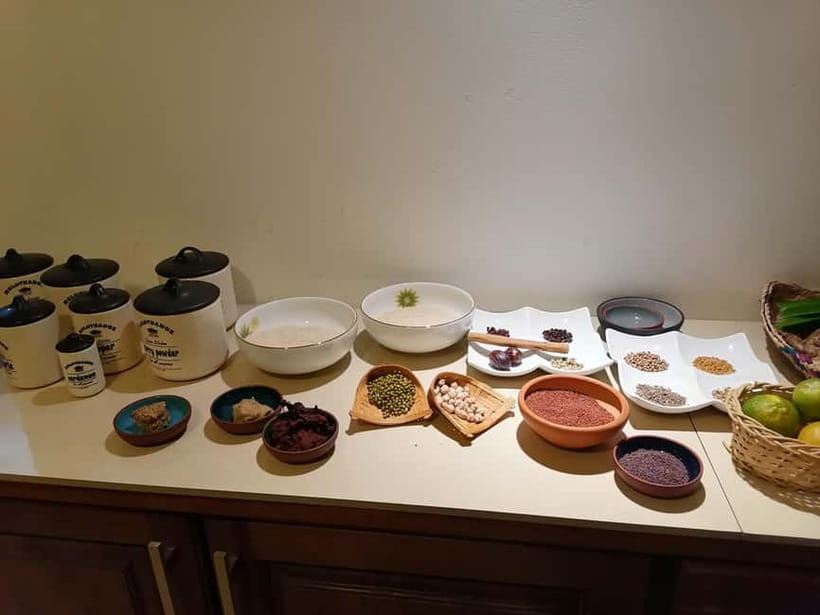
- Spices have a starring role: You explore Sri Lankan spices, their uses, and the curry paste that creates much of the cuisine’s color, taste, and aroma.
- Large menus are possible: Past sessions have included string hoppers, curries, roti, sambal, snacks, and desserts, with as many as 11 dishes.
- Useful for home cooks: The lesson covers traditional methods plus practical modern-kitchen tips.
- Simple planning: The class lasts three hours, costs $42 per person, includes hotel pickup and drop-off, and allows free cancellation up to 24 hours before the start.
A private welcome at Sithara and Upali’s home
The character of this class comes from its small scale. Sweetvalley Cooking School is run by Sithara and Upali, a couple who welcome you into their home and teach in a personal, relaxed way. You are not one face in a demonstration crowd. You have room to ask questions, handle the ingredients, and work at a pace that can be adjusted to your group.
That setting matters. Sri Lankan cooking is closely tied to home life, family habits, and the practical use of local ingredients. A private home class gives you more than a list of recipes. It lets you see how the hosts think about food and how they make the process workable.
The welcome can include a natural tea before you put on an apron and begin. The tone is warm and conversational, with time for stories about food, culture, travel, and everyday life. If you prefer a formal chef-led lesson, this may feel less polished than a hotel kitchen. If you want personal attention and a friendly host, the home setting is a strong part of the experience.
The class is conducted in English. It is also wheelchair accessible, an important practical point to confirm when arranging pickup and the exact setup for your group.
More Sri Lankan cooking classes:
- Ella: Traditional Sri Lankan Cooking Class
★ 4.9 · 788 reviews - Ella: Sri Lankan Cooking Class with Neranji at Homestay
★ 5.0 · 276 reviews - Ella : Cooking class with amazing Spice Garden Tour
★ 5.0 · 239 reviews
Your menu is decided before you cook
This is not a fixed class where every person makes the same dishes. The hosts discuss your preferences in advance and shape the session around your dietary restrictions, favorite foods, and available time.
You might request a vegetarian menu, a vegan meal, gluten-free dishes, or specific Sri Lankan recipes you want to take home. A vegan menu has worked well in the class, and the cooking school specifically offers authentic vegan and gluten-free meals. It is still wise to share restrictions clearly before arrival, especially if you have allergies rather than simple preferences.
The menu can include several parts of a Sri Lankan meal:
- Starters
- Main dishes
- Snacks
- Desserts
- Rice or bread-based items
- Curries, sambal, and other accompaniments
The number of dishes can be surprisingly high. One session covered 11 dishes in two rounds. Other menus included about 10 dishes, from fresh string hoppers to curries, roti, and sambal. That variety gives you a broad look at Sri Lankan food, but it also means you should speak up if you would rather learn three or four recipes carefully than race through a long dinner.
When you contact the school, tell the hosts what you hope to leave with. You may want a vegetarian meal, a famous curry, a snack you can make in a small kitchen, or a lesson focused on spice balance. The more specific you are, the more useful the three hours should be.
Spices explain the heart of Sri Lankan cooking
Sri Lankan food can look simple on the plate, but its flavor comes from careful use of spices. The class gives you time to explore those spices and learn about their place in Sri Lankan culture and cooking traditions.
The key lesson is curry paste. Here, paste is not treated as a shortcut from a jar. It is prepared from a selection of spices using traditional methods, then used to build color, aroma, and taste. That gives you a better sense of why two curries made with similar main ingredients can taste so different.
You are not simply told to add a spoonful of this or a pinch of that. The hosts explain the purpose of the ingredients and the reason behind each stage. That is especially useful if you plan to cook Sri Lankan food at home, since spice strength, texture, and timing can change the result.
I like this part of the class because it moves beyond copying a recipe. You begin to understand the logic behind the food. A recipe card can tell you what to add. A good teacher helps you recognize what the mixture should smell and look like before you move on.
From fresh string hoppers to roti and sambal
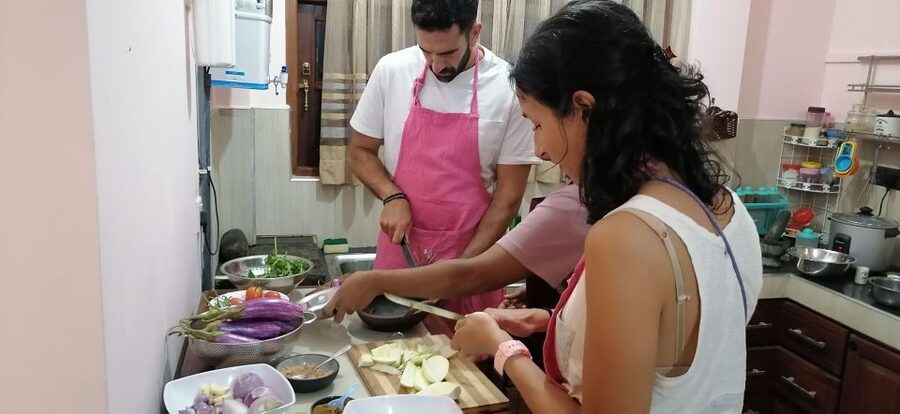
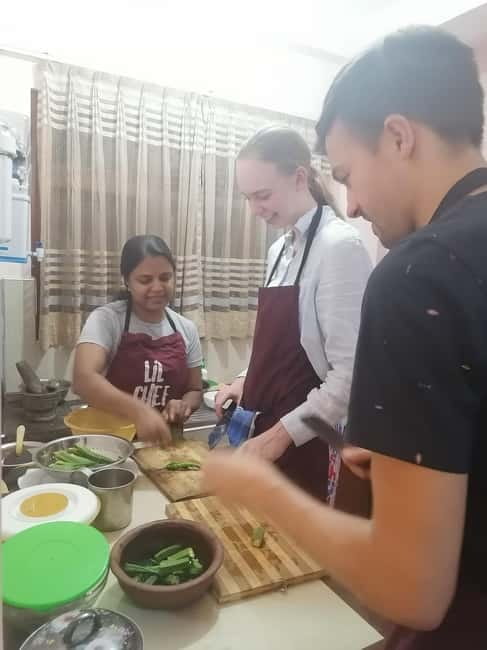
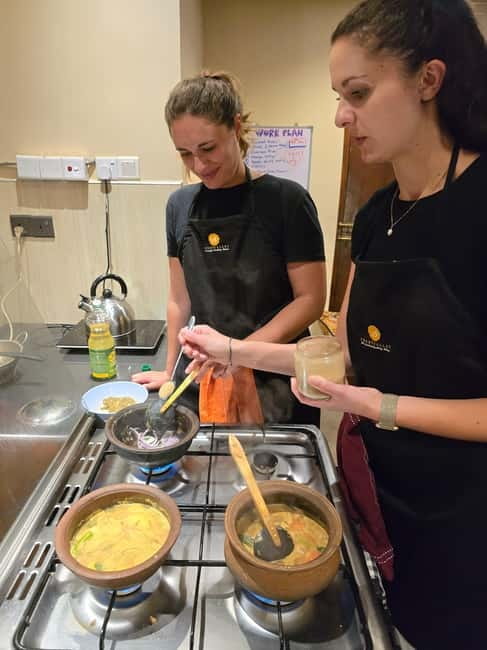
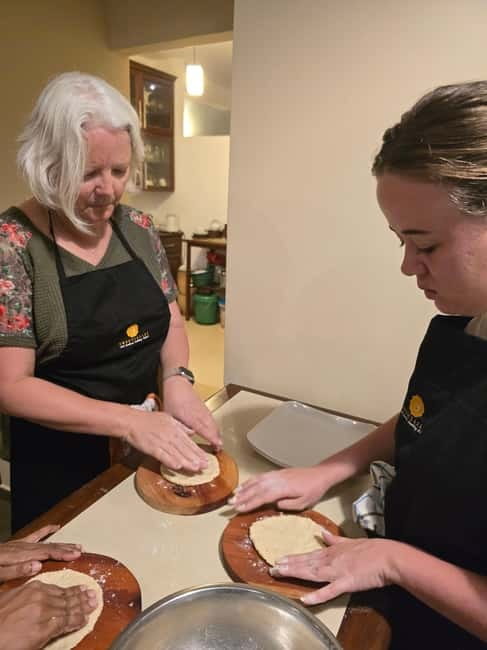
The cooking itself is hands-on. You assist in preparing your chosen dishes rather than watching the hosts do everything for you. Expect to work with ingredients, textures, spice mixtures, and traditional techniques in a modern kitchen.
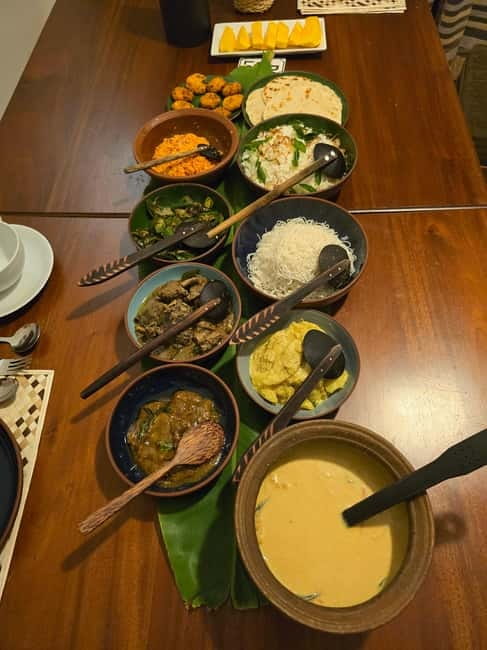
The menu examples show the range available. String hoppers offer a chance to learn a distinctive Sri Lankan staple from fresh ingredients. Roti brings a bread element into the lesson, while sambal shows how a small accompaniment can add heat, freshness, and contrast to a meal.
Curries form the center of many sessions. You may prepare more than one type, depending on the menu you arrange. A cashew curry has been a particular favorite, and it is a good example of how Sri Lankan cooking can make a satisfying main dish without relying on meat.
The hosts also teach practical ways to repeat the food at home. Traditional methods are explained alongside modern techniques, so you are not left with a dish that only works in a specialized cooking environment. This is one of the class’s biggest strengths. You learn how to make Sri Lankan food, but also how to make it manageable after your holiday ends.
A few more tours worth weighing up
- Ella Sri Lanka : Mom’s Kitchen Cooking class
★ 5.0 · 113 reviews - Ella: First Class Scenic Train Ticket To/From Nanuoya
★ 4.2 · 19 reviews - Organic cooking class sigiriya (kumara & family)
★ 5.0 · 650 reviews - Sri Lanka Cooking Class with Granny
★ 5.0 · 587 reviews
Three hours, often split into two cooking rounds
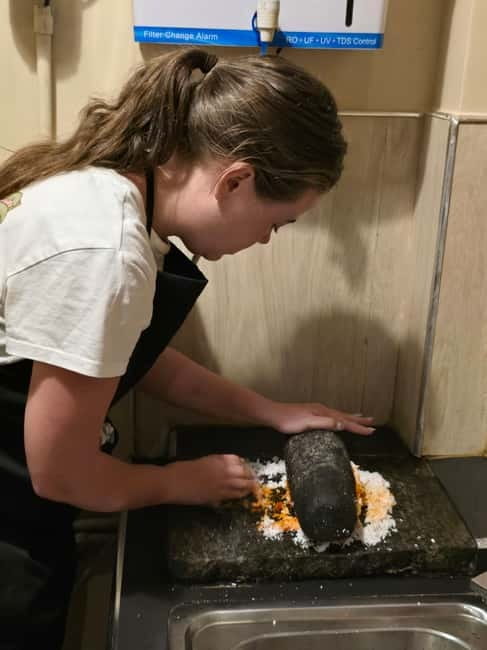
The advertised duration is three hours. That gives you enough time for a substantial meal and a proper lesson, but not unlimited time for long pauses or elaborate detours.
The session can be organized in two rounds when the menu is large. This keeps the work easier to follow and lets you move between preparation, cooking, and serving. Making 10 or 11 dishes in one evening sounds ambitious, so the two-round format helps prevent the class from becoming a blur of chopped ingredients and simmering pots.
The exact rhythm depends on the menu you choose. A shorter menu may allow more explanation and questions. A large menu gives you a wider taste of Sri Lankan food but may require you to stay focused. If you are a beginner, tell the hosts that learning technique matters more to you than producing a long dinner.
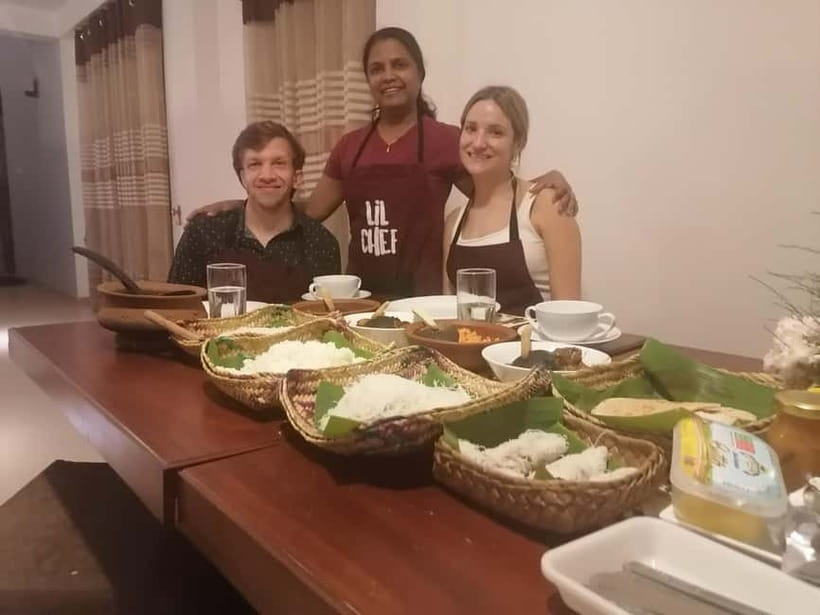
You should also allow time to eat what you have made. The meal is not an afterthought. Sitting down with the hosts, trying each dish, and discussing the food is part of the experience. The conversation gives the class a social side that a standard cooking demonstration often lacks.
A warm lesson, with room for real questions
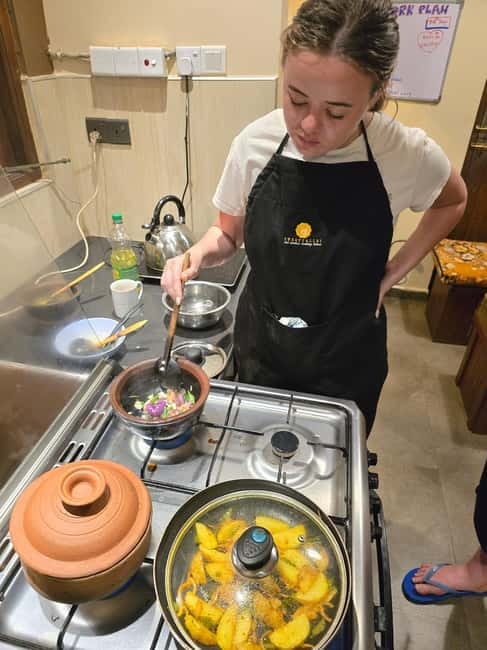
Sithara is praised as a passionate teacher who explains the cooking clearly and answers questions. Upali also helps create the welcoming atmosphere, and together they make the class feel personal rather than strictly instructional.
That is useful for cooks at different levels. If you rarely cook, you can ask about basic methods without feeling rushed or embarrassed. If you already cook often, you can focus on spice combinations, traditional preparation, and ways to adapt the recipes to your own kitchen.
The hosts also take an interest in who you are. Conversation about your life, food, and travels is part of the evening. This can make the class feel like an invitation into someone’s home, not simply a paid activity.
There is a tradeoff. A home class may not have the stage lighting, large workstations, or polished production of a commercial culinary school. You are paying for personal contact and an authentic home atmosphere, not a theatrical show. For most people seeking a genuine local connection, that is a fair exchange.
What the $42 price includes
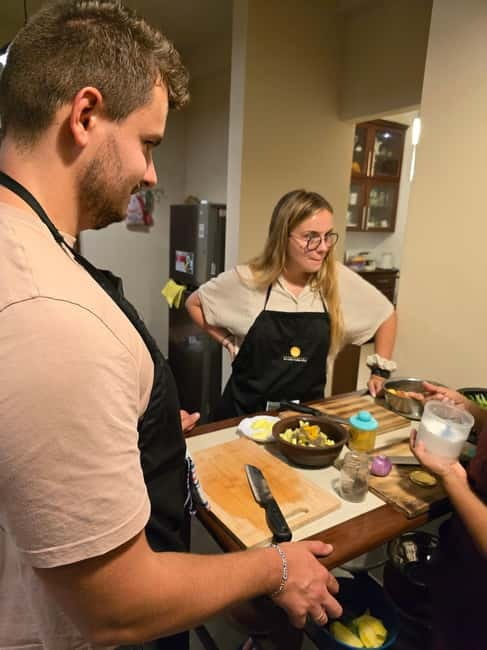
At $42 per person, the class offers solid value if you want more than a meal. The price includes three hours of private instruction, the food you prepare, and hotel pickup and drop-off.
The private format is important when judging the cost. You are not paying only to watch someone cook. You receive a menu adjusted to your group, direct instruction, time to ask questions, and a meal that you help create. Transportation also removes the need to arrange your own way to and from the class.
Value depends on your goal. If you only want to sample Sri Lankan food, a restaurant meal will cost less and take less time. If you want recipes, cooking skills, cultural context, and a relaxed evening with local hosts, the class gives you more lasting value.
A large menu can improve the value, since you may learn 10 or more dishes in one session. Yet quantity should not be your only measure. I would rather choose a focused menu that teaches a few techniques well than leave with a long list of recipes I cannot remember.
Pickup and planning details that matter
Hotel pickup and drop-off are included. The driver will call the mobile number you provide upon arrival, so keep your phone available and make sure the number is correct when booking.
The experience is described as being in Sri Lanka’s Eastern Province. At the same time, the host feedback refers to stays in Ella and the surrounding area. Because those location details do not perfectly match, confirm the exact pickup zone, meeting point, and travel time before you finalize your plans.
The booking terms are flexible. You can reserve now and pay later, and cancellation is free up to 24 hours in advance for a full refund. The class lasts three hours, but starting times depend on availability, so check the available slot before building the rest of your day around it.
A private group format makes this suitable for couples, families, or a small group of friends. It is also a good choice when one person has dietary restrictions, since the menu can be adjusted before the class rather than improvised at the last minute.
Who should book this cooking class
I would recommend this experience most strongly to people who want to understand Sri Lankan food, not just eat it. It suits curious home cooks, couples looking for a relaxed evening, and anyone who enjoys meeting local people in a personal setting.
It is especially useful if you want:
- A private class instead of a large group activity
- Vegan or gluten-free Sri Lankan dishes
- A menu built around specific recipes
- Traditional cooking methods explained in plain English
- Practical ideas for making the dishes at home
- A meal that includes starters, curries, snacks, or desserts
Families and less experienced cooks should discuss the menu and pace ahead of time. The class can cover many dishes, but a packed menu may feel demanding for young children or anyone who wants a slow, leisurely lesson.
You may want to skip it if you dislike home-based experiences, prefer a highly structured professional kitchen, or have only a short window between other activities. The three-hour class is not a quick demonstration. Its value comes from taking time to cook, talk, and eat.
Should you book Sweetvalley Cooking School?
Book it if you want a personal Sri Lankan food lesson with hosts who care about teaching, not just serving dinner. The strongest reasons are the private format, the flexible menu, the spice and curry-paste instruction, and the chance to learn dishes you can repeat at home.
Before booking, send your dietary needs and favorite dishes in advance. Also confirm the exact location and pickup area, since the stated Eastern Province location and references to Ella should be clarified. If you do that planning, $42 per person is a fair price for three hours of cooking, a substantial meal, transport, and a warm connection with Sithara and Upali.
FAQ
How long does the private cooking class last?
The cooking class lasts three hours.
How much does the class cost?
The price is $42 per person.
Is hotel pickup and drop-off included?
Yes. Hotel pickup and drop-off are included.
Is the class private?
Yes. The experience is arranged for a private group.
What language is the class taught in?
The instructor teaches in English.
Can the menu be changed for dietary restrictions?
Yes. The session can be discussed in advance and adjusted for dietary restrictions and meal preferences. Vegan and gluten-free meals are available.
What types of dishes can be prepared?
The class can include starters, main meals, snacks, and desserts. Past menus have included string hoppers, curries, roti, sambal, and cashew curry.
Can I choose dishes I want to learn?
Yes. Your preferred Sri Lankan meals and the pace of learning can be discussed before the session.
What is the cancellation policy?
You can cancel up to 24 hours in advance for a full refund. You can also reserve now and pay later.
Just added around Ella
- Ella Sri Lanka , Private Photoshoot | Photography Tours★ 5.0 · 3 reviews
- Sri Lanka private tour package 10 Days. and luxury hotel★ 5.0 · 3 reviews
- From Tangalle / Hiriketiya : Yala Safari tour & Drop – Ella★ 3.0 · 3 reviews
- Explore Ella: Rock Hike, Loop, Falls, Nine arch & Train View★ 5.0 · 3 reviews
- Ella Full-Day Tour from Mirissa/Ahangama/Hikkaduwa/Bentota★ 4.6 · 3 reviews
- Kandy to Ella via Nuwara Eliya Scenic Day Tour★ 3.3 · 4 reviews
- From Ella- All Inclusive Day Trip to Experience Ella & Train★ 3.9 · 4 reviews
- Ella: Cinnamon, Spice Garden & Waterfall tour★ 3.4 · 4 reviews
Cooking Classes, compared.


Organic cooking class sigiriya (kumara & family)
Read our review →


Sri Lankan Cooking Class with Neranji at Homestay
Read our review →

Browse the lists this tour appears in