
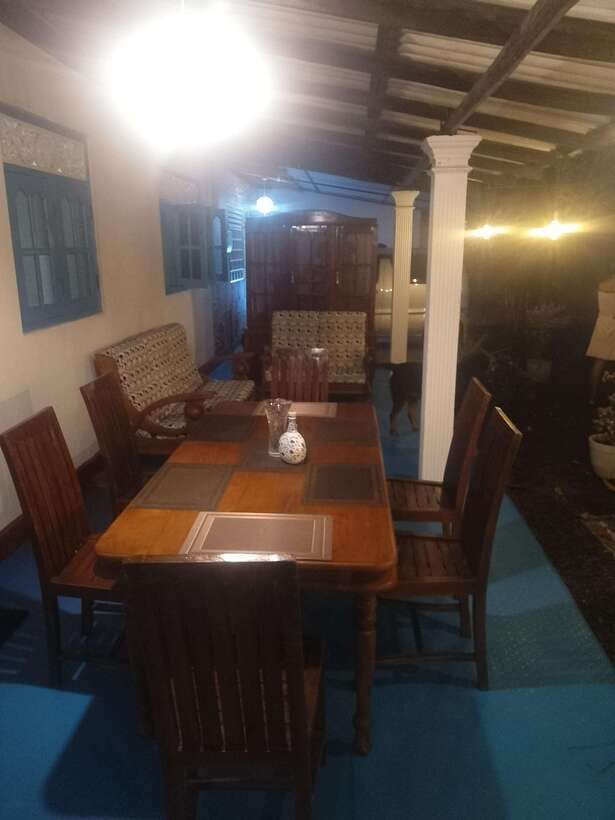
Reviewed · COOKING CLASSES
Sri Lanka: Cooking Class
Come hungry, leave with new recipes. This three-hour cooking class in Kotapola offers a friendly way to understand Sri Lankan food from the inside out. I especially like the hands-on format, where you prepare several dishes rather than simply watching a demonstration, and the chance to eat with your hosts afterward. The $50 price also includes hotel or villa pickup by tuk-tuk, which adds useful value in this rural part of Sri Lanka.
The main caution is spice. One participant asked for less spicy food but still found several dishes too hot to eat, so you should repeat your preferences clearly before cooking begins. I also find the accessibility information confusing: the activity is marked wheelchair accessible in one place, yet it is also listed as unsuitable for wheelchair users and people with mobility impairments. Confirm this directly before booking if access matters.
In This Review
- Key details before you book
- Arriving in Kotapola by tuk-tuk
- Meeting the hosts behind the food
- Learning the role of rice and coconut
- Preparing seven or eight dishes by hand
- Spices, heat, and the less spicy request
- Sitting down to eat with your hosts
- What $50 per person really covers
- Who will enjoy this class most
- Practical tips for a smoother class
- Should you book the Kotapola cooking class?
- FAQ
- Where does the cooking class take place?
- How long does the activity last?
- Is hotel pickup included?
- What language is the class conducted in?
- Can the food be made less spicy?
- Can I cancel the booking?
Key details before you book
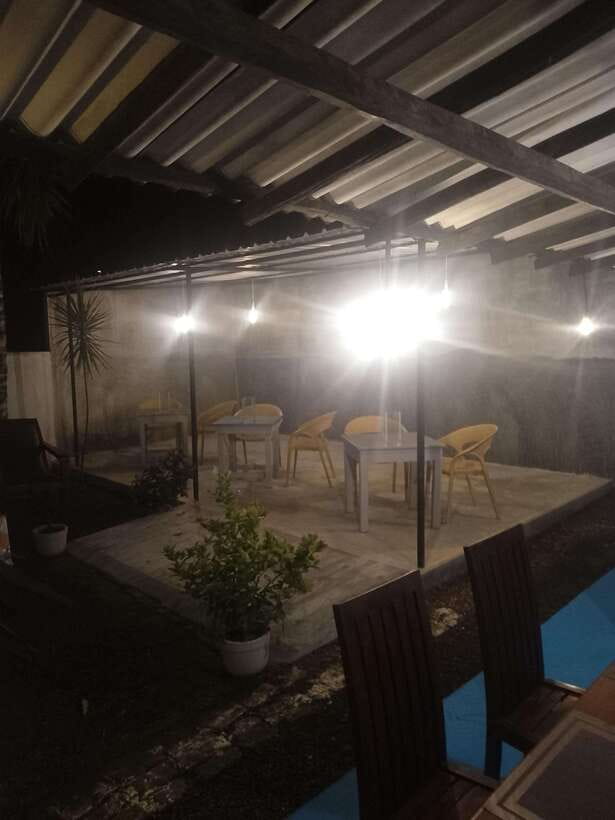
- Seven to eight dishes may be prepared: Recent sessions included a generous range of vegetable and meat dishes, giving you plenty of practice in a short time.
- Tuk-tuk pickup is included: Pickup usually comes from your hotel or villa around Kotapola about 30 minutes before the activity.
- Spice levels need careful discussion: Sri Lankan food can use strong chili, and less spicy does not always mean mild enough for every palate.
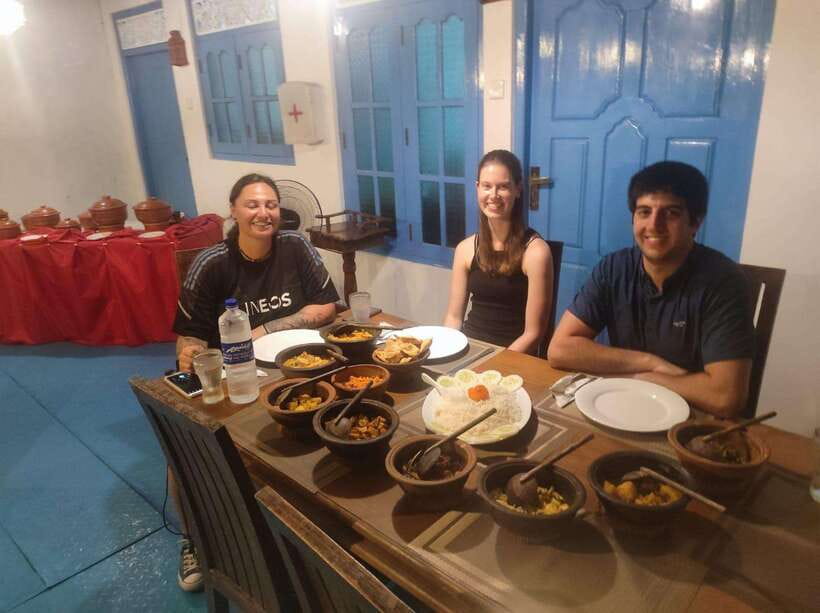
- The meal is part of the experience: After cooking, you sit with your hosts and taste what you made together.
- English instruction is provided: The guide explains techniques, ingredients, and food traditions in English.
- The class costs $50 per person: That includes the guide, transport pickup and drop-off, bottled water, and entrance fees, but not separate meals or beverages.
Arriving in Kotapola by tuk-tuk
The class begins before you reach the cooking area. Tourlankaholidays collects you from your hotel or villa around Kotapola by tuk-tuk, usually about 30 minutes before the scheduled start.
That pickup is more than a small convenience. Kotapola is not the sort of place where you want to spend part of your morning sorting out local transport for a short activity. A tuk-tuk ride also gives the outing a local feel, though you should be ready for a simple vehicle rather than a private air-conditioned car.
The included return ride helps explain part of the $50 price. You are paying for instruction and food, but also for a guide, transport, bottled water, and the arrangements behind a home-based class. If you are already staying close by and could easily reach the host yourself, the value is less striking. For most visitors based in the area, the pickup makes the booking easier.
Confirm your pickup point and time when you reserve. The stated pickup window is around 30 minutes before the activity, but exact timing depends on your hotel or villa.
More Sri Lankan cooking classes:
- Mirissa: Cooking Class with Beer and Meal
★ 3.3 · 4 reviews - Ella: Traditional Sri Lankan Cooking Class
★ 4.9 · 788 reviews - Organic cooking class sigiriya (kumara & family)
★ 5.0 · 650 reviews
Meeting the hosts behind the food
The strongest part of the class is its personal scale. You are not only being shown how to cook. You are spending time with local hosts, learning about their daily lives, and eating in their company.
That matters because Sri Lankan food is tied closely to home cooking. Rice, coconut, vegetables, meat, fish, and spices are not separate topics on a menu. They form part of the everyday food system, and your hosts can explain how those ingredients work together in a household kitchen.
One highly praised instructor is Rnishani, who received particular credit for clear instructions, kind communication, careful preparation, and a menu that suited the group. The host also asked about dietary needs and preferences before the activity, then prepared the kitchen accordingly. That is exactly the sort of small detail that can turn a standard class into a more comfortable one.
The class is conducted in English. You should still ask questions as you go. Sri Lankan cooking often depends on judgment rather than a rigid recipe, so it is useful to ask how much spice to add, what texture to look for, and how the same ingredient might be used in another dish.
Learning the role of rice and coconut
Sri Lankan cuisine begins with two central ingredients: rice and coconut. The country has many varieties of rice, and coconut appears in several forms throughout cooking. It may add creaminess, body, sweetness, or a mild counterpoint to chili and other spices.
The class gives you a practical way to see this balance. Rather than hearing a general explanation of Sri Lankan food and moving on, you work with ingredients and learn how they fit into a meal.
Sri Lankan food also makes strong use of vegetables, herbs, spices, fish, meat, and fruit. The combinations can be unfamiliar if you are used to Western cooking, but the class is a good place to ask why particular items belong together. The point is not simply to copy a recipe. It is to understand how the meal is built.
The country’s position along historic ocean trade routes also shaped its food. Contact with foreign traders brought new ingredients and cooking influences, while local ethnic traditions continued to guide the cuisine. A good class connects those outside influences with the food you are preparing, giving the meal some context without turning the session into a lecture.
Preparing seven or eight dishes by hand
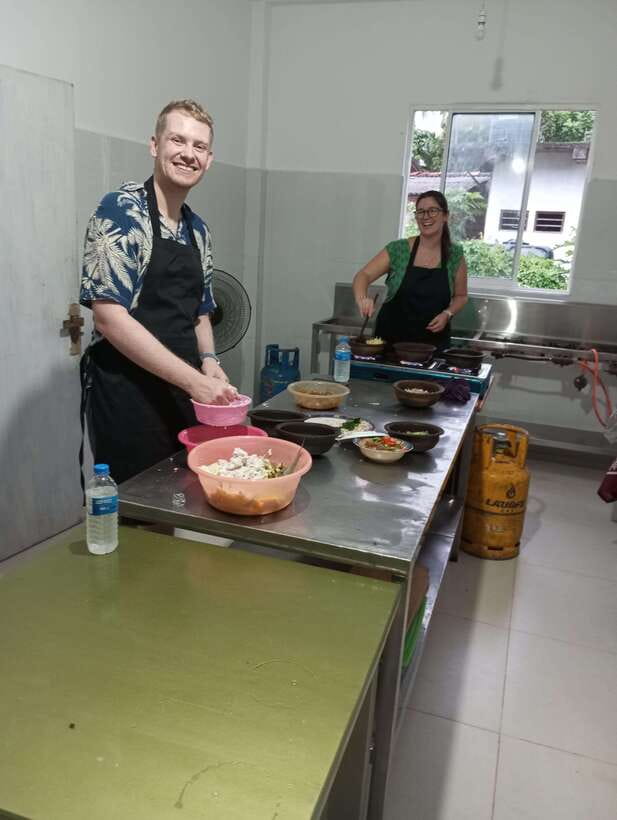
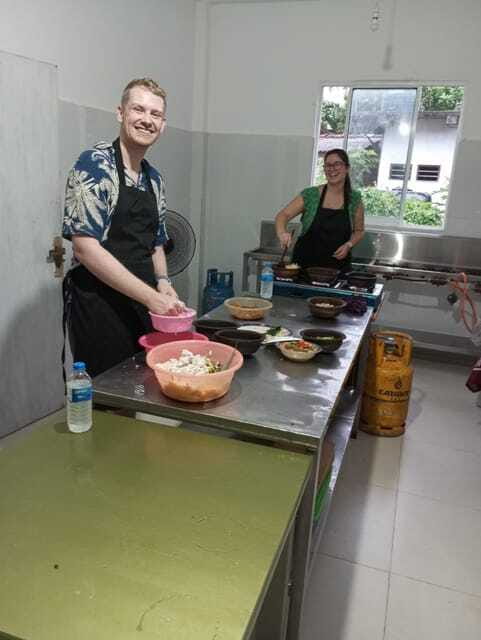
The cooking itself moves at a brisk pace. Recent sessions produced seven or eight different dishes, with one participant reporting seven dishes in about an hour and a half of active cooking. The full activity lasts three hours, so the remaining time includes pickup, explanations, eating, and time with the hosts.
You should expect to do real work. The class is not just a cooking show where someone else handles the knives and pans. You learn through participation, with the host explaining the steps and helping you avoid mistakes.
This format suits people who like variety. Preparing several dishes lets you compare the role of different spices, vegetables, and cooking methods within one meal. It also gives you more ideas to take home than a class focused on one curry.
The drawback is that seven or eight dishes can feel fast. If you want to master every recipe in detail, there may not be enough time for long pauses between steps. Ask the host to slow down when something is unclear, and take notes if you want to recreate the meal later.
The amount of food is also worth considering. You will cook enough to sit down and eat with your hosts, but the advertised information says meals and beverages are not included. In practical terms, the food you prepare becomes the meal at the end, while separate drinks or extra personal purchases are not covered.
A few more tours worth weighing up
- Sri Lanka Cooking Class with Granny
★ 5.0 · 587 reviews - Galle: Traditional Gems & Jewellery Workshop with Transfers
★ 4.9 · 539 reviews - Kandy Village Cooking Class
★ 5.0 · 536 reviews - Sea waves sri lankan cooking class
★ 5.0 · 467 reviews
Spices, heat, and the less spicy request
The class explains the importance of spices in Sri Lankan cooking, but this is where you need to manage expectations. Sri Lankan food can be hot, and the heat may come through strongly even when the dish contains plenty of coconut, vegetables, or other ingredients.
One participant specifically requested less spicy food and still found it far too hot. The problem was serious enough that two people could not eat some of the dishes, while even the person who normally handles chili struggled. That is an important warning, not a minor complaint.
Tell the host your spice tolerance before the class starts, then repeat it when the ingredients are being prepared. If you want mild food, use that exact word and explain what mild means to you. You can also ask which dishes will contain the most chili before cooking begins.
At the same time, do not assume every session will be equally hot. The menu and preparation can vary, and another participant praised the food as exceptionally good after dietary preferences were discussed in advance. The safest approach is direct communication rather than relying on a general less spicy request.
Sitting down to eat with your hosts
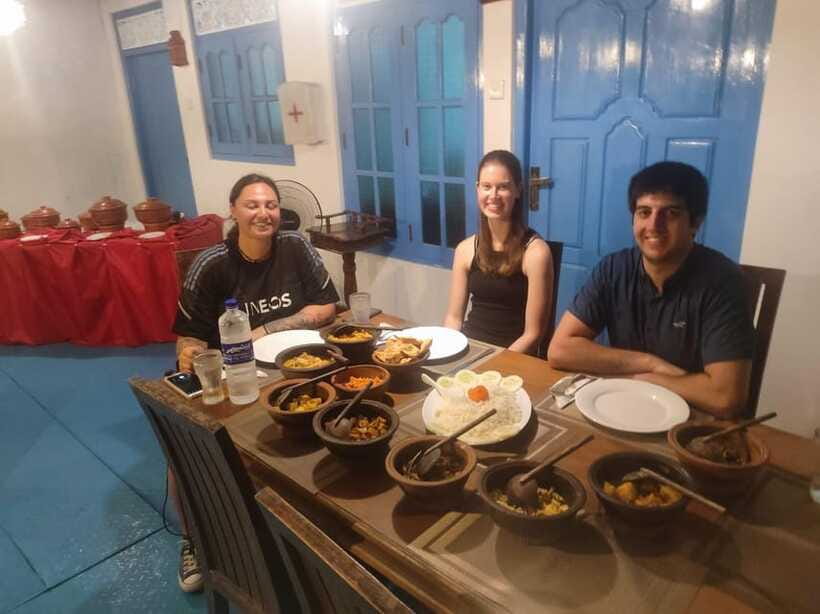
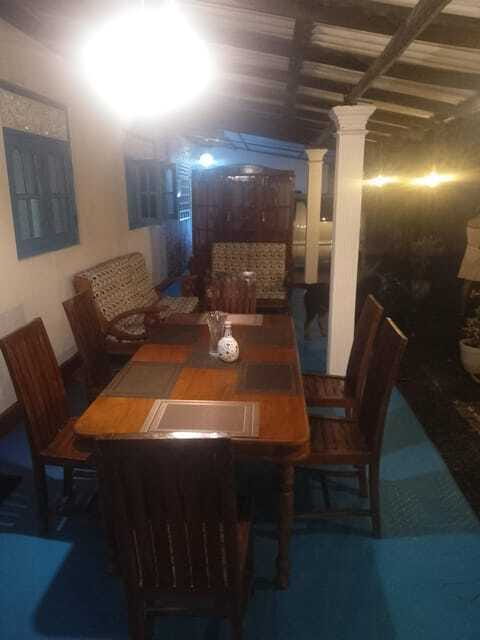
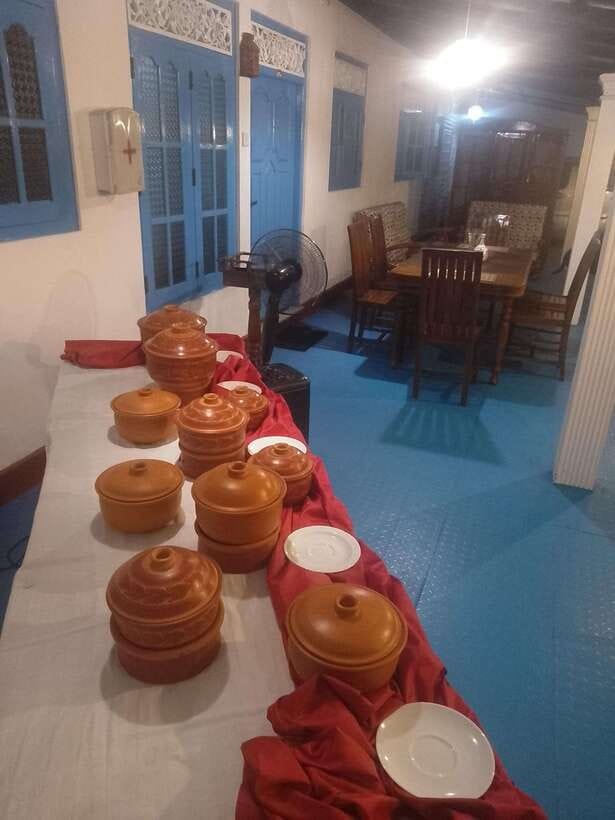
The final meal is the payoff. You sit with your hosts and taste the dishes you helped prepare, turning the class into a social experience rather than a lesson that ends when the stove is switched off.
I like this part because it gives you time to discuss the food after cooking. You can ask which dish is served most often at home, how the family changes a recipe, or which ingredients are local favorites. These conversations are often where a cooking class feels most connected to daily life.
The meal also lets you judge the balance of the dishes for yourself. Some may be familiar, while others may be new combinations of vegetables, spices, rice, coconut, fish, or meat. If you have dietary restrictions, discuss them before arrival. The host has shown a willingness to adjust preparations when preferences are explained in advance, but you should not wait until food is already cooking.
Bottled water is included. Other beverages and personal expenses are not, so bring a little money if you expect to buy anything beyond the class itself.
What $50 per person really covers
At $50 per person, this is not the cheapest way to eat in Sri Lanka. You can find inexpensive local meals for much less. The value here comes from the combination of instruction, ingredients, cultural context, a prepared meal, host interaction, and transport.
The price makes more sense if you value participation. You are not simply paying for a plate of food. You are paying to learn how the dishes come together, ask questions in a private or small setting, and share the result with the people who taught you.
Included services are:
- English-speaking guide
- Hotel or villa pickup and drop-off
- Tuk-tuk transportation around Kotapola
- Bottled water
- Entrance fees to all sites, where applicable
- Hands-on cooking instruction
Meals and beverages are listed as not included, so do not treat the booking as an open-ended dining package. The dishes you prepare are the central food experience, but extra drinks and personal purchases remain your responsibility.
The booking terms are useful for uncertain plans. You can cancel up to 24 hours before the activity for a full refund, and the reserve-now, pay-later option lets you hold a place without paying immediately.
Who will enjoy this class most
I would choose this activity if you want a social, practical introduction to Sri Lankan food rather than a formal culinary course. It suits couples, families, and small groups who enjoy cooking together and do not mind a busy session.
It is also a good fit if you want to meet local people. The hosts are part of the attraction, and the class includes time to learn about their daily lives, not just their recipes.
You should think twice if you dislike chili, have limited mobility, or want a slow and highly technical lesson. The cooking may cover seven or eight dishes in a short period, and the spice issue needs careful handling.
The mobility information needs special attention. The activity is described as wheelchair accessible in the booking details, but it is also marked as unsuitable for wheelchair users and people with mobility impairments. Those statements conflict, so contact Tourlankaholidays before booking and ask about the exact cooking area, tuk-tuk access, and movement required.
Practical tips for a smoother class
Wear simple, comfortable clothing that allows you to work easily. The instructions specifically recommend simple clothing for cooking, and that is sensible advice for a hands-on kitchen session.
Avoid alcohol before attending. The safety guidance asks participants not to arrive intoxicated, since cooking with knives, heat, and other equipment requires attention.
Tell the host about your diet and preferred spice level before the class. Rnishani was praised for asking about these matters in advance, so use that opportunity rather than assuming the menu will automatically be adjusted.
Keep your morning or afternoon reasonably open. The class itself lasts three hours, and pickup is scheduled before the activity. You will get more from the session if you are not watching the clock.
Finally, bring curiosity rather than expectations of restaurant-style service. This is about making food with local hosts, learning how ingredients work, and eating what you prepared. The experience is strongest when you treat it as a visit to a Sri Lankan kitchen.
Should you book the Kotapola cooking class?
Book it if you want a warm, hands-on encounter with Sri Lankan food and like the idea of preparing seven or eight dishes before sitting down with your hosts. The included tuk-tuk pickup, English instruction, bottled water, and flexible cancellation terms add practical value, while the personal contact gives the class more meaning than a standard demonstration.
I would not book without asking about spice levels if you need mild food. I would also resolve the conflicting accessibility information before paying.
For everyone else, this is a well-priced choice for a three-hour food experience in Kotapola. The strongest reasons to go are the generous number of dishes, the friendly teaching style reported from Rnishani, and the chance to connect cooking with ordinary life in Sri Lanka.
FAQ
Where does the cooking class take place?
The cooking class takes place in Kotapola, Sri Lanka.
How long does the activity last?
The activity lasts three hours. Active cooking in one session took about one and a half hours, with the remaining time used for transport, explanations, dining, and time with the hosts.
Is hotel pickup included?
Yes. Pickup and drop-off are included for hotels or villas around the Kotapola area. Pickup is by tuk-tuk and generally takes place about 30 minutes before the activity.
What language is the class conducted in?
The live tour guide and cooking instruction are in English.
Can the food be made less spicy?
You can request a preferred spice level, and the host may ask about your diet and preferences before the activity. However, one participant still found the less spicy food too hot, so explain your tolerance very clearly before cooking begins.
Can I cancel the booking?
Yes. You can cancel up to 24 hours in advance for a full refund. A reserve-now, pay-later option is also available.
Just added around Mirissa
- Mirissa: Whale & Dolphin Watching Cruise with Breakfast★ 3.4 · 3 reviews
- All Inclusive Mirissa Whale & Dolphin Watching + Snorkeling★ 3.9 · 3 reviews
- Scuba Diving in Mirissa★ 5.0 · 4 reviews
- Mirissa: Cooking Class with Beer and Meal★ 3.3 · 4 reviews
- Mirissa: Whale Watching Cruise★ 3.1 · 5 reviews
- Mirissa: Whale & Dolphin Watching Trip with Private Transfer★ 4.1 · 6 reviews
- Mirissa: Whale & dolphin Watching Boat Tour with Breakfast★ 4.0 · 8 reviews
- Snorkeling Trip from Polhena Beach, Matara, Sri Lanka★ 3.8 · 11 reviews
Cooking Classes, compared.


Organic cooking class sigiriya (kumara & family)
Read our review →


Sri Lankan Cooking Class with Neranji at Homestay
Read our review →

Browse the lists this tour appears in