
Reviewed · COOKING CLASSES
Authentic Sri Lankan Cooking Class in Kandy with Local Family
Come hungry, leave with recipes.
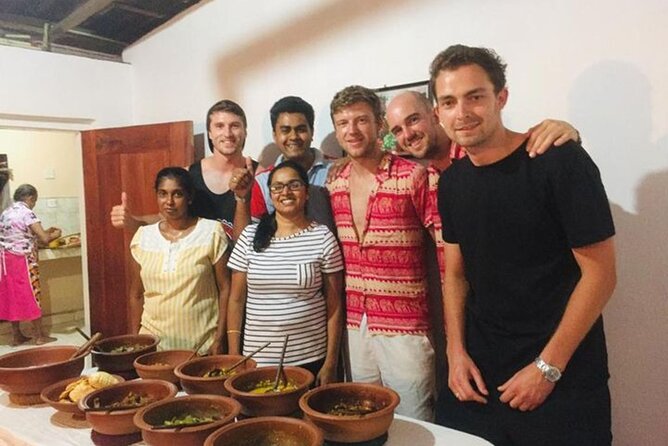
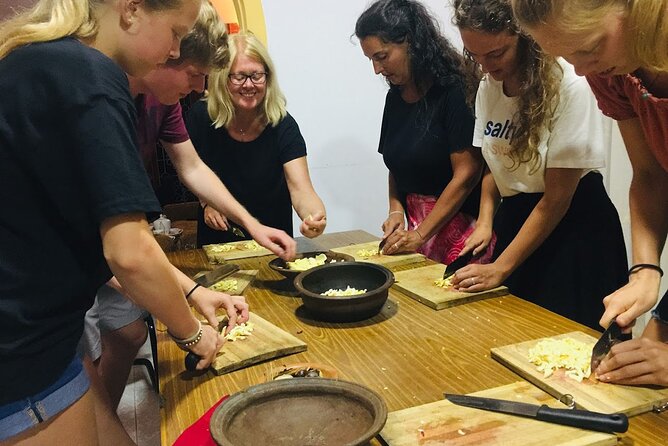
This three-hour evening class brings you into a traditional family home near Kandy, where cooking is taught by the people who prepare these dishes every day. I like the personal setting and the chance to learn from the host’s wife, sister, and mother rather than from a restaurant chef. I also like that you can ask about Sri Lankan family life, spices, vegetables, and cooking methods as you work.
The main thing to consider is that this is a home cooking lesson, not a polished culinary school. The pace, kitchen setup, and teaching style may feel informal, which is part of its charm but may not suit you if you want a formal demonstration or advanced chef training.
In This Review
- Key points at a glance
- A family kitchen instead of a cooking school
- Starting at 5pm near Bahirawakanda Mountain
- The optional market visit and why it matters
- Learning from daily cooking habits
- What the three-hour evening may feel like
- Eating the meal you helped prepare
- Recipes to take home
- What the $35 price gives you
- Who will enjoy this Kandy cooking class
- Practical details before you book
- Should you book this Kandy cooking class?
- FAQ
- Where does the cooking class take place?
- What time does the class start?
- How long does the cooking experience last?
- Who teaches the cooking class?
- Is a professional chef involved?
- Can I visit a local market?
- Is pickup available?
- How many people can join the class?
- Do I receive recipes after the class?
- Can I cancel for a full refund?
Key points at a glance
- Family kitchen near Bahirawakanda Mountain: The class takes place in a home close to Kandy city center and the large Buddha statue on Bahirawakanda Mountain.
- Three family teachers: The host’s wife, sister, and mother lead the cooking, with the host’s young daughters sometimes joining in.
- Optional local market experience: If requested, the family can guide you through a local market and explain Sri Lankan spices and vegetables.
- Five o’clock start: The evening timing works well after sightseeing around Kandy, and the meal comes at the end of the lesson.
- Recipes included: You receive the recipes afterward, making it easier to repeat the dishes at home.
- Small to medium group size: The class accepts a maximum of 15 people, so the experience can feel personal but may be less intimate when full.
A family kitchen instead of a cooking school
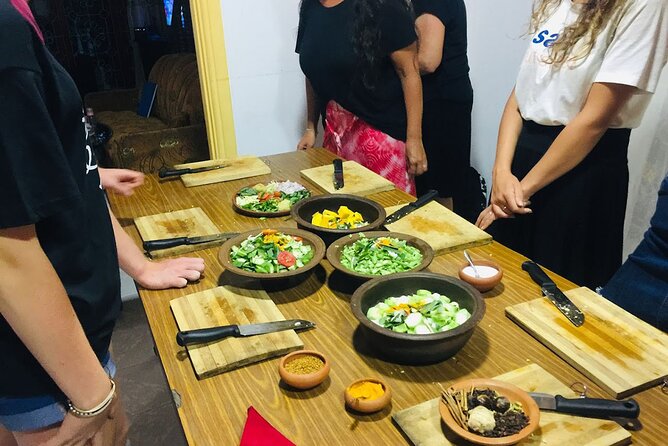
The biggest appeal here is the setting. You are not going to a hotel kitchen or watching a professional chef perform behind a counter. You are visiting a Sri Lankan family home near Kandy city center and cooking in the family kitchen.
That distinction matters. Sri Lankan food is closely tied to daily routines, family habits, and home preparation. The class gives you a chance to see how cooking fits into ordinary life, not just how a dish appears on a restaurant menu.
The teaching team is the host’s wife, sister, and mother. The host explains that women in the family prepare traditional food several times a day, so they bring practical experience rather than formal culinary credentials. I find that a useful approach for anyone who wants to understand how dishes are made at home.
The host’s three young daughters may also join the session. That can add warmth and a little unpredictability. If you prefer a quiet, tightly managed class, a family kitchen may feel less controlled. If you want a more human evening, the children can make the visit feel like a real household occasion.
More Cooking Classes in Kandy
- Sri Lanka Cooking Class with Granny
★ 5.0 · 587 reviews - Kandy Village Cooking Class
★ 5.0 · 536 reviews - Private Traditional Sri Lankan Cooking Class in Kandy with Hotel Transfers
★ 5.0 · 115 reviews
Starting at 5pm near Bahirawakanda Mountain
The class begins at 5pm, a sensible time for Kandy. You can use the earlier part of the day for the Temple of the Tooth, the lake, museums, or a trip around the hills, then make your way to the cooking class in the evening.
The home is close to the large Buddha statue at Bahirawakanda Mountain. This gives you a useful landmark when arranging your route, though pickup can also be arranged for hotels around Kandy city.
The location is described as calm and surrounded by green nature. You should not expect a city-center restaurant atmosphere. The setting is quieter and more residential, which helps the class feel connected to local life.
Pickup and drop-off are available if arranged in advance, but only around Kandy city. That limitation is important. If you are staying farther away, you may need to organize your own transport to the meeting point.
The optional market visit and why it matters
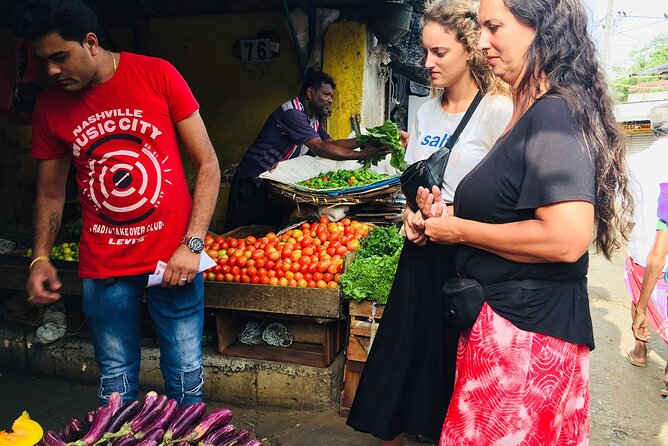
The family can guide you to a local market if you want more than the kitchen lesson. This is an optional part of the experience, so you should request it rather than assume it is automatically included.
A market visit can make the later cooking easier to understand. Sri Lankan food depends heavily on spices, vegetables, and fresh ingredients, and it helps to see those items before they are cleaned, cut, and added to a dish.
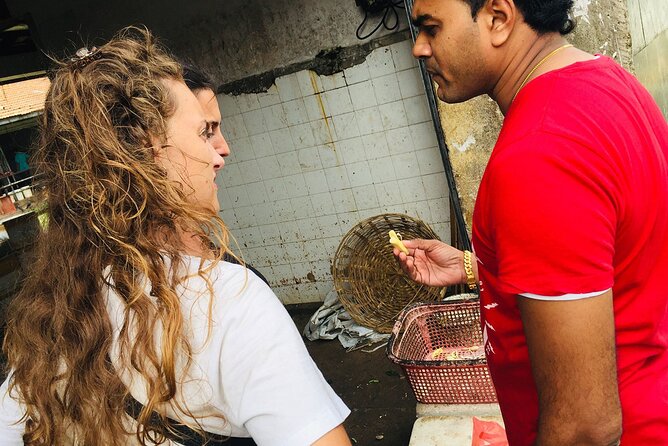
You can ask the family about the ingredients you see and learn how they fit into local cooking. That context is useful because some spices may look familiar but play a different role in Sri Lankan dishes than they do in your home cooking.
The supplied information does not promise a fixed market route or set market duration. I would treat this as a helpful add-on, not a guaranteed separate tour. If the market is important to you, confirm it when booking.
Learning from daily cooking habits
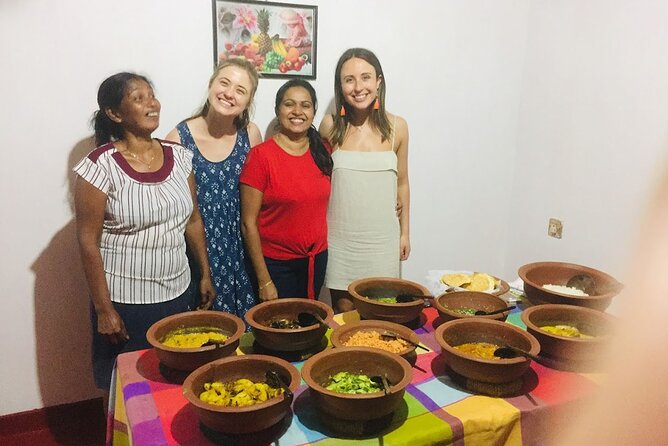
The class focuses on traditional Sri Lankan food and methods that you can repeat at home. That is a strong point for anyone who wants to take something practical away from Kandy.
You are not simply watching a cook prepare a meal. The aim is to learn techniques and understand how the food comes together. The family can also explain traditions and historical points connected to Sri Lankan cuisine.
The exact dishes are not listed, so you should not book expecting a specific curry, dessert, or string hopper lesson. That uncertainty can be a drawback for a serious food enthusiast with a particular recipe in mind. You may prefer to ask what the menu will include before you arrive.
At the same time, the open format may give the family room to teach food that reflects their own household. I like that better than a fixed tourist menu when the goal is a taste of home cooking.
More Sri Lankan cooking classes:
- Cooking With Village Family
★ 5.0 · 104 reviews - Kandy Cooking Class with Granny
★ 4.9 · 95 reviews - Private Kandy Authentic Cooking Class
★ 5.0 · 65 reviews - Srilankan Cooking class by FFL kandy
★ 5.0 · 50 reviews
What the three-hour evening may feel like
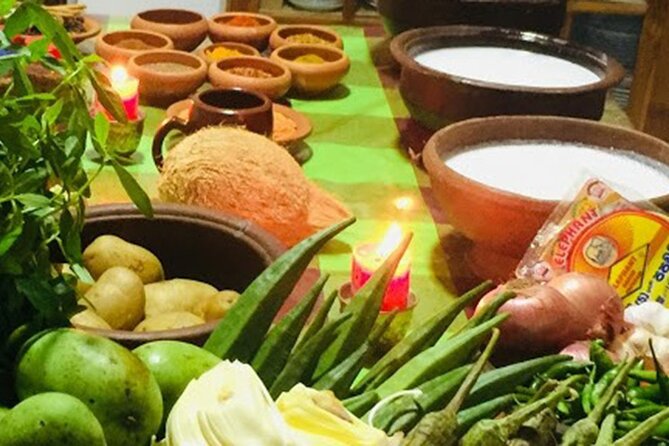
The full experience lasts about three hours. The natural rhythm is an introduction to the family kitchen, preparation and cooking, explanations about ingredients and traditions, then eating the food you have helped make.
Do not expect every minute to be filled with formal instruction. In a home kitchen, some of the value comes from conversation, watching how family members work together, and seeing the practical habits behind the recipes.
The hosts are described as kind, fun, and good at explaining Sri Lankan food and culture. The strongest praise focuses on the friendly family atmosphere and the amount participants learn during the evening.
That combination makes the class suitable for couples, solo visitors, and people who enjoy food as a way to meet local people. It may be less suitable if you want a silent, highly technical workshop with exact measurements and a strict timetable.
You should also allow for the class to run at a relaxed household pace. The advertised duration is approximate, and the presence of family members, including children, may make the evening feel more social than formal.
Eating the meal you helped prepare
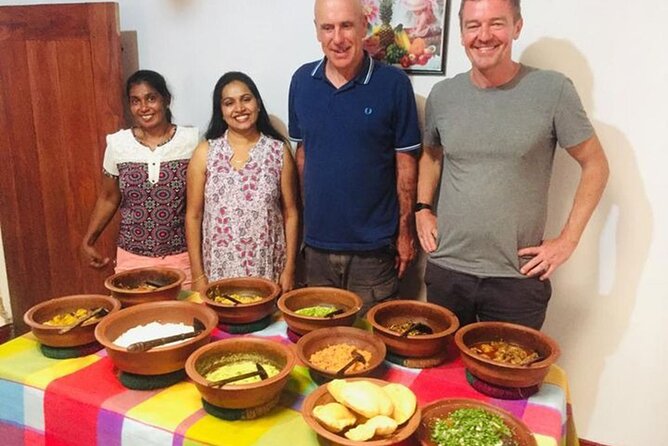
The meal at the end is an important part of the experience. You get to taste the results while the cooking steps are still fresh in your mind.
For me, this is where a home cooking class earns its price. A restaurant meal gives you the finished product. This class gives you the food plus the method, the family setting, and an explanation of how the dishes fit into daily Sri Lankan life.
The food is described as traditional and satisfying, but no fixed menu is provided. Keep that in mind if you have allergies, dietary restrictions, or strong preferences. The supplied details do not specify vegetarian, vegan, gluten-free, or allergy-friendly arrangements, so you should ask the provider before booking.
You also should not assume that every part of the meal will be adjusted to suit your taste. Sri Lankan cooking can use strong seasoning and spices, and the class is intended to represent local food rather than a toned-down international menu. Ask in advance if you need changes.
Recipes to take home
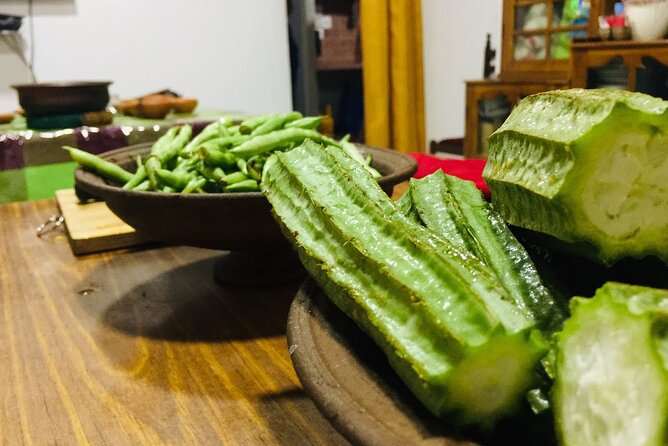
The class provides recipes at the end. This is one of the most practical features because it turns a pleasant evening into something you can use later.
Recipes are especially valuable when you are learning unfamiliar spice combinations or cooking steps. Without written notes, it is easy to forget the order of preparation once you return home. Having the recipes lets you recreate the dishes and share the experience with friends or family.
The information does not say whether the recipes are printed or digital, or how many are included. You may want to keep your phone ready for notes and ask for clarification during the class.
I would also pay attention to the small details that are easy to miss: when spices are added, how vegetables are cut, and how the family judges when food is ready. Those practical cues often matter more than a long ingredient list.
What the $35 price gives you
At $35 per person, this class sits in a reasonable range for a three-hour food experience, especially when you consider that it includes cooking, a meal, family interaction, and recipes.
The value is not only the food. You are paying for access to a private home setting and for the chance to learn from people who cook these dishes as part of daily life. For many people, that personal contact will be worth more than a standard restaurant dinner.
The price becomes less attractive if you are mainly looking for a large meal or a professional cooking certificate. This is not presented as an advanced chef course, and there is no formal chef leading the class.
The maximum group size is 15. That is small enough to keep the experience manageable, but a full group will not feel as private as a couple-only lesson. If personal attention is a priority, ask how many people are booked for your date.
The experience is booked, on average, about 20 days ahead. That suggests you should reserve early during a busy Kandy visit, especially if your schedule is tight.
Who will enjoy this Kandy cooking class
I would recommend this experience to you if you:
- Enjoy meeting local families rather than visiting only formal attractions
- Want to learn cooking methods you can repeat at home
- Prefer a relaxed home setting to a restaurant or hotel kitchen
- Are curious about spices, vegetables, and Sri Lankan food traditions
- Have an evening free in Kandy
- Like combining dinner with cultural conversation
It is also a good choice for couples. The warm family setting and shared meal make it an easy evening activity that feels different from another restaurant booking.
Families with children may appreciate the informal atmosphere, though the activity is not specifically described as a children’s class. Solo visitors can also fit in well, particularly if they enjoy conversation and hands-on activities.
I would hesitate if you need a fixed menu, strict timing, advanced culinary instruction, or confirmed dietary adaptations. You should also think twice if your accommodation is outside Kandy city and pickup is essential, since transport arrangements are limited to the Kandy area.
Practical details before you book
The experience offers a mobile ticket, and confirmation is provided at booking. It is near public transportation, and pickup can be arranged for hotels around Kandy city.
The meeting time is 5pm. Plan to arrive on time because this is a family-run activity rather than a large operation with repeated departure windows.
The class can take up to 15 people. The experience also requires a minimum number to operate. If that minimum is not reached, you may be offered another date or experience, or receive a full refund.
Free cancellation is available if you cancel at least 24 hours before the start time. Cancellations or changes made within 24 hours are not refunded or accepted. The cut-off follows local time in Sri Lanka.
The experience has a 5 out of 5 rating from 44 reviews, with 100 percent recommending it. The praise centers on two things: the friendly family connection and the feeling that the cooking is genuine rather than staged.
Should you book this Kandy cooking class?
Book it if you want an approachable introduction to Sri Lankan food through a real family kitchen. The strongest reasons are the three family teachers, the relaxed home setting, the optional market guidance, and the recipes you can use afterward.
I would not book it solely for a guaranteed list of dishes, since the menu is not specified. Ask about the food, group size, pickup, and any dietary needs before paying.
For $35, the class offers good value when you see it as both a meal and a cultural lesson. It is less about polished presentation and more about sitting down with a family, learning how traditional food is made, and leaving Kandy with techniques you can try at home.
FAQ
Where does the cooking class take place?
It takes place in a traditional family home near Kandy city center, close to the large Buddha statue at Bahirawakanda Mountain.
What time does the class start?
The class starts at 5pm.
How long does the cooking experience last?
The experience lasts approximately three hours.
Who teaches the cooking class?
The host’s wife, sister, and mother teach the class. The host’s three young daughters may sometimes join the cooking.
Is a professional chef involved?
No. The class is taught by family members in their home kitchen, not by a hired chef.
Can I visit a local market?
A local market visit can be arranged if you would like that experience. The family can explain the spices and vegetables there.
Is pickup available?
Pickup and drop-off can be arranged for hotels around Kandy city.
How many people can join the class?
The maximum group size is 15 people.
Do I receive recipes after the class?
Yes. Recipes are provided at the end of the class.
Can I cancel for a full refund?
Yes, if you cancel at least 24 hours before the experience start time. Cancellations within 24 hours are not refunded.
More Workshops
- Kandy: Interactive Batik Workshop
★ 5.0 · 51 reviews - Sri Lankan cooking class with Nilu Kandy( FREE PICKUP & Drop)
★ 5.0 · 45 reviews - Authentic Sri Lankan Cooking Class in Kandy by Local Family
★ 4.9 · 15 reviews - First Class Scenic Train Ticket From Kandy To Ella
★ 4.0 · 13 reviews
Just added around Kandy
- Evening Tour at the Last Kingdom of Sri Lanka, Kandy★ 5.0 · 3 reviews
- Tour to Dambulla Cave, Sigiriya and Pidurangala Rock from Kandy★ 5.0 · 3 reviews
- Day Tour Kandy to Sigiriya with Dambulla Cave Temple Excursion★ 5.0 · 3 reviews
- Private Day tour from Kandy to Sigiriya, Dambulla & Pidurangala★ 5.0 · 3 reviews
- Kandy To Dambulla and Sigiria City Full Day by Laka Tours★ 5.0 · 3 reviews
- Full Day Tuk Tuk Tour – Explore Kandy with Local Expert★ 4.1 · 3 reviews
- Kandy to Ella★ 5.0 · 3 reviews
- From Kandy: Wilpattu National Park Safari with Hotel Pickup★ 5.0 · 3 reviews
Cooking Classes, compared.


Organic cooking class sigiriya (kumara & family)
Read our review →


Sri Lankan Cooking Class with Neranji at Homestay
Read our review →

Browse the lists this tour appears in