
Reviewed · COOKING CLASSES
Cooking Class and Market Visit in Negombo
Food tells Negombo’s story. This three-hour private experience combines a local market visit with hands-on Sri Lankan cooking, giving you a useful look at everyday food culture rather than just a meal at a restaurant. I especially like the chance to choose produce and seafood yourself, then cook with it minutes later.
I also like the small-group format and the personal touch from Shashi, whose clear communication and strong hosting earned high praise. The main consideration is the $70 price per person, which is not a bargain class, and the market visit lasts only about 30 minutes.
In This Review
- Key points to know before booking
- Why this Negombo food experience works
- Starting with Negombo’s vegetable market
- From market shopping to a Sinhalese home
- What you may cook during the 90-minute lesson
- Sri Lankan food in its wider setting
- Timing, transport, and the private format
- Is $70 per person good value?
- Who should book this cooking class?
- Should you book the Negombo cooking class?
- FAQ
- Where does the cooking class take place?
- How long does the experience last?
- What are the pickup times?
- How long is the market visit?
- How long is the cooking lesson?
- Is this a private activity?
- What food might be prepared?
- Can I cancel for a full refund?
Key points to know before booking
- Fresh ingredients come first: You visit Negombo Vegetable Market to select produce, fruit, spices, and possibly the day’s fish.
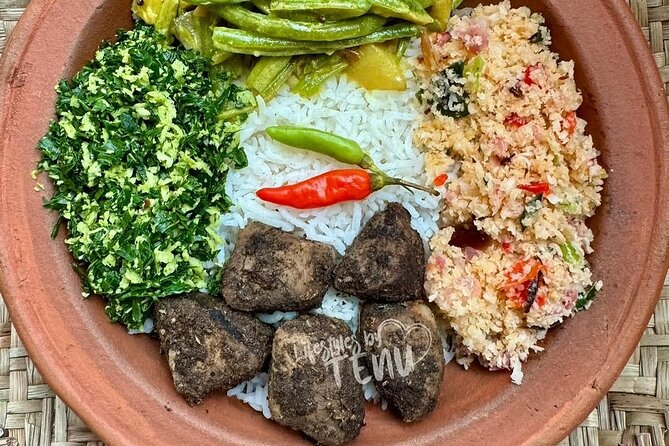
- You cook a full Sri Lankan meal: Expect rice, coconut-based curries, sambols, and possible seafood dishes such as tuna or devilled prawns.
- The setting is personal: The cooking takes place in a Sinhalese home, not a large demonstration kitchen.
- Shashi receives special praise: Clear communication and a friendly, capable hosting style are major strengths.
- Your group stays private: Only your own party participates, useful for families, couples, or friends.
- Plan around the pickup window: Pickup is offered from Negombo hotels around 11.00 am to 12.00 pm or 6.00 pm to 7.00 pm.
Why this Negombo food experience works
Negombo is a natural place for a food-focused activity. The town sits beside a lagoon and has long-standing links to fishing, seafood, and trade. This class uses that setting well. Instead of treating Sri Lankan cuisine as a list of dishes, it shows you how food begins with shopping.
That difference matters. At a restaurant, you taste a finished curry. Here, you see the ingredients before they are chopped, toasted, mixed, and cooked. You can ask why one chili is chosen over another, how fresh fish is selected, or how coconut and spices shape the final dish.
I like that the experience joins two simple activities: a market walk and a home cooking lesson. Neither part needs to be dressed up as a major attraction. The value comes from seeing how they fit together.
The class is private, so you are not working around a large group of strangers. That gives you more room to ask questions and move at your own pace. It should also suit people with very different cooking skills, since the class is guided from start to finish.
More Sri Lankan cooking classes:
- Cooking Classes in Sri Lanka
★ 5.0 · 110 reviews - Ella: Traditional Sri Lankan Cooking Class
★ 4.9 · 788 reviews - Organic cooking class sigiriya (kumara & family)
★ 5.0 · 650 reviews
Starting with Negombo’s vegetable market
The market visit takes roughly 30 minutes, after about a 15-minute drive from your Negombo pickup point. This is a short visit, but it gives the cooking lesson a useful beginning.
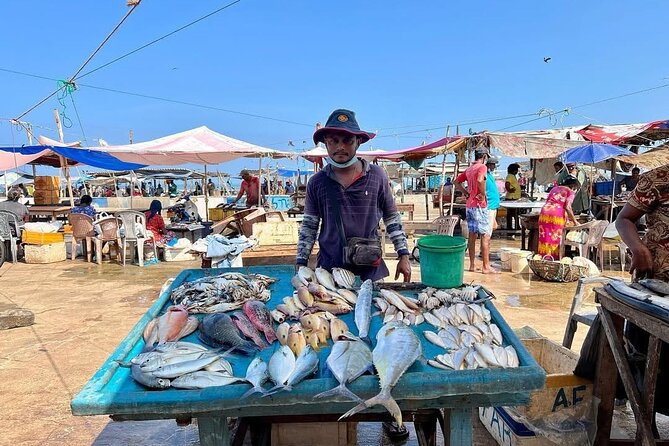
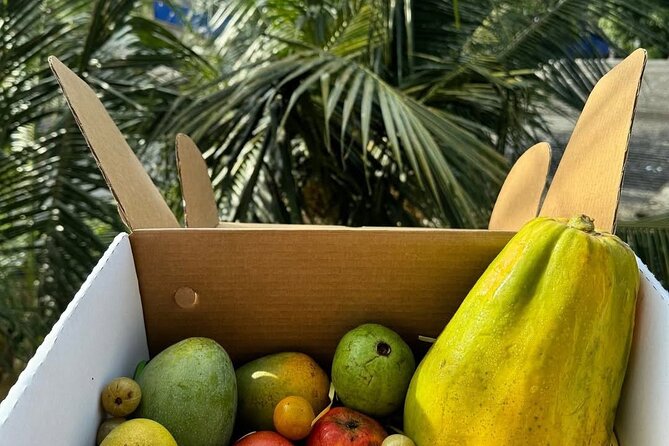
You can expect rows of fresh produce, fruits, vegetables, spices, and the ingredients needed for the day’s meal. The purpose is not simply to look around. You help choose what will be cooked, which makes the later meal feel connected to the town.
The market is also the best place to see the practical side of Sri Lankan cooking. Curry leaves, cinnamon, chili, fresh herbs, coconut, vegetables, and seafood are not abstract ingredients on a printed menu. They are part of a daily food system, bought from local sellers and carried into nearby kitchens.
A half-hour is enough to get a taste of the market, but it is not enough for a long, relaxed exploration. If you want extended time for photographs or careful browsing, you may find this part brief. Still, the short visit keeps the day focused. You will not spend most of the experience standing around before cooking begins.
One useful detail is the seafood element. The meal may include fish from the lagoon area or dishes such as tuna curry and devilled prawn curry. The exact menu can depend on what is available, so you should think of the meal as seasonal rather than fixed.
That uncertainty is a plus for food lovers. It means the market actually matters. The one drawback is that anyone with strict dietary needs should clarify the menu before booking, since the experience may include fish or prawns.
From market shopping to a Sinhalese home
After the market, the drive to the cooking location takes about 10 minutes. The setting is a Sinhalese home, which gives the experience a more personal feel than a commercial cooking studio.
A home setting can also make the food easier to understand. Sri Lankan cooking is built around ordinary kitchen habits: preparing several dishes at once, balancing spice and coconut, and using familiar local produce in different ways. You are not only watching a chef plate a polished dish. You are learning how a meal comes together.
The class lasts about 90 minutes. That is a sensible length for a hands-on lesson, since you have time to prepare several items without turning the activity into an all-day project.
You will work under guidance and prepare the meal from scratch. The dishes described include coconut-based curries, spicy sambols, and rice. Depending on the day’s ingredients, you may also prepare fish, jackfruit curry, or devilled prawns.
The phrase from scratch is important here. Sri Lankan food gets much of its character from the order and treatment of its ingredients. Curry leaves, cinnamon, chili, coconut, and herbs each add a different note. The process is not just about adding a premade curry powder and waiting for dinner.
I would expect the class to be most useful for cooks who want techniques they can repeat at home. You can watch how ingredients are combined and then take the recipes with you. The practical benefit continues after you leave Negombo, especially if you already enjoy making rice dishes, curries, or vegetarian food.
What you may cook during the 90-minute lesson
The exact menu is not fixed in the information provided, so you should not book expecting one guaranteed set of dishes. The possible range is part of the appeal, but it also means you should ask about the day’s plan if you have strong preferences.
Rice is central to the meal. You may also prepare coconut sambol, a fresh and spicy side dish that adds heat and texture. Coconut-based curries are another likely feature, with vegetables, fruit, fish, or prawns providing the main ingredient.
Jackfruit curry is a particularly interesting possibility. Jackfruit can take on a meaty texture when cooked, making it useful for a filling vegetarian dish. It also shows how Sri Lankan cooking makes the most of tropical produce.
Seafood offers a different lesson. A tuna curry or devilled prawn curry brings stronger flavors and a link to Negombo’s fishing culture. The devilled style should appeal to anyone who likes a sharper, spicier dish, while a coconut curry gives the meal a softer and fuller character.
You should expect active participation rather than a passive show. The class description promises traditional techniques and preparation of each dish, though it does not list every task or recipe. That means the precise balance between chopping, mixing, cooking, and watching may vary.
The best approach is to arrive ready to ask questions. Ask which spices are essential, how much chili can be reduced, and which ingredients can be found outside Sri Lanka. Those details will determine how useful the recipes are once you return home.
More market tours:
- Negombo Private Tour: Market, Temples & Canal
★ 4.9 · 15 reviews - Market Tour and Hands-On Cooking Class Colombo
★ 5.0 · 140 reviews - Galle: Cooking Class at a Local Home and Market Tour
★ 5.0 · 47 reviews - Colombo Cooking Experiance with Explore Market
★ 4.7 · 33 reviews
Sri Lankan food in its wider setting
Sri Lankan cuisine reflects several cultural influences, including Indian, Arab, Portuguese, Dutch, and Malay traditions. You do not need a lecture on food history to notice the result. The cooking uses strong spices, coconut, rice, vegetables, seafood, and herbs in combinations that feel distinctly island-based.
Curry leaves bring a recognizable aroma. Cinnamon adds warmth. Chili provides heat, while coconut helps round out a dish. Sambols offer contrast beside rice and curry, often bringing freshness or extra spice to the plate.
I appreciate that the class presents this food as part of daily life, not as a performance built only for visitors. Shopping at a local market and cooking in a home gives the meal a useful sense of place.
That said, the experience is still only three hours. It cannot explain every regional style or cover the full range of Sri Lankan cooking. You will get an introduction and several practical recipes, not a complete food education.
For most people, that is the right scale. You gain enough context to understand what you are eating, then enough practice to try it yourself later.
Timing, transport, and the private format
The total experience lasts about three hours, including drives. Pickup is offered from hotels in Negombo, with a daytime window around 11.00 am to 12.00 pm and an afternoon or evening window around 6.00 pm to 7.00 pm.
The listed pickup periods are windows rather than a single universal departure time. You should pay attention to the confirmed pickup details so you are ready at your hotel. The local meeting point is in Negombo, and the activity is near public transportation, though pickup makes the day easier if you are already staying in town.
The route is simple: hotel pickup, about 15 minutes to the market, 30 minutes at the market, about 10 minutes to the cooking location, 90 minutes of cooking, then about 15 minutes back to Negombo.
The private format is one of the strongest practical features. A couple can focus on the food without being absorbed into a large class. A family or group of friends can share the preparation and divide the cost of any group discount that applies.
The private structure may also make it easier to discuss food preferences. Still, no specific dietary adaptations are promised, so communicate those needs before the day rather than assuming they can be handled on arrival.
Is $70 per person good value?
At $70 per person, this is priced above a basic cooking demonstration. You are paying for more than the meal itself: hotel pickup, transport, a market visit, ingredient selection, a private class, and the chance to eat what you prepare.
I think the price makes the most sense for people who value personal attention and cultural context. If you only want to taste Sri Lankan food, a restaurant meal will cost less and take less time. If you want recipes, market knowledge, and a private setting, the class offers more lasting value.
The group discount can improve the price for larger parties. Since the activity is private, you should check the available discount when booking rather than assume it applies automatically.
Another factor is how much you cook. The experience promises hands-on preparation, but the exact division of tasks is not described. If active kitchen work is your main reason for booking, ask what you will personally prepare.
The class is booked on average about 35 days ahead, which suggests you should not leave it until the last moment if your Negombo schedule is tight. Confirmation is provided at booking, and free cancellation is available if you cancel at least 24 hours before the start time.
Who should book this cooking class?
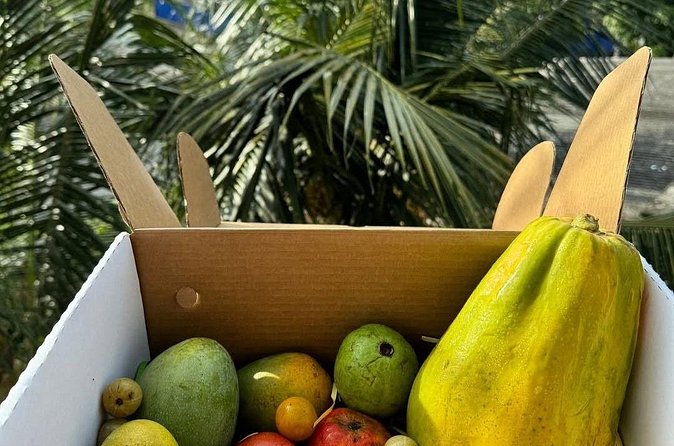
I would recommend this experience to food-focused visitors who want more than a restaurant table. It is also a good fit if you enjoy meeting local hosts, learning recipes, and seeing ingredients before they reach the plate.
Couples, families, and small groups should appreciate the private format. The class can also work well near the beginning of a Sri Lankan trip, since the market visit helps you recognize ingredients and dishes during later meals.
It may be less suitable if you want a long market tour, a formal culinary school lesson, or a guaranteed menu. The market portion is short, and the food can change according to the available produce and seafood.
The strongest reason to book is the combination of market and kitchen. Many food activities offer one or the other. This one lets you see the ingredient, help select it, and then eat the result.
Should you book the Negombo cooking class?
Yes, if you want a personal introduction to Sri Lankan food and are happy with a flexible menu. The private setting, market visit, and home cooking lesson give you a better sense of local food habits than a standard restaurant meal.
I would book it especially if you are staying in Negombo and enjoy seafood, coconut curries, sambols, or vegetable dishes. Just keep the short market visit and possible seafood menu in mind, and confirm any dietary concerns ahead of time.
At $70, it is not the cheapest way to eat in Sri Lanka. It is a fair choice for the added instruction, transport, shopping experience, and personal hosting. If those extras matter to you, this is a useful and tasty way to spend three hours.
FAQ
Where does the cooking class take place?
The experience begins in Negombo, Sri Lanka, with pickup offered from Negombo hotels. The cooking lesson takes place in a Sinhalese home.
How long does the experience last?
The full experience lasts approximately three hours, including transport between Negombo, the market, and the cooking location.
What are the pickup times?
Pickup is offered around 11.00 am to 12.00 pm and again around 6.00 pm to 7.00 pm from Negombo hotels.
How long is the market visit?
The visit to Negombo Vegetable Market lasts about 30 minutes, following a drive of approximately 15 minutes.
How long is the cooking lesson?
The cooking class lasts about one hour and 30 minutes, after a drive of approximately 10 minutes from the market.
Is this a private activity?
Yes. Only your own group participates in the activity.
What food might be prepared?
Possible dishes include coconut-based curries, sambols, rice, jackfruit curry, tuna curry, and devilled prawn curry. The exact menu may vary.
Can I cancel for a full refund?
Yes, if you cancel at least 24 hours before the experience start time. Cancellations made less than 24 hours before the start time are not refunded.
More Workshops
- Sri Lanka Cooking Class with Granny
★ 5.0 · 587 reviews - Galle: Traditional Gems & Jewellery Workshop with Transfers
★ 4.9 · 539 reviews - Kandy Village Cooking Class
★ 5.0 · 536 reviews - Sea waves sri lankan cooking class
★ 5.0 · 467 reviews
More Shopping Tours
- Colombo Sightseeing & Shopping
★ 4.5 · 15 reviews - Colombo Sightseeing and Shopping Private Tour Including Lunch
★ 5.0 · 12 reviews - Galle City Tour And Shopping
★ 4.5 · 12 reviews - Vegan Cooking Class Colombo with Market Tour
★ 5.0 · 9 reviews
Just added around Negombo
- Ten Days Scenic Sri Lanka★ 5.0 · 3 reviews
- Colombo Airport (BIA) to Galle Private Airport Transfer★ 5.0 · 3 reviews
- 08 Days private round trip in Sri Lanka★ 4.5 · 3 reviews
- Full Day Tour to Sigiriya & Dambulla from Negombo★ 5.0 · 3 reviews
- From Negombo: White Water Rafting Adventure★ 5.0 · 3 reviews
- Transfer between colombo Airport (CMB) and Marino Beach, Colombo★ 5.0 · 3 reviews
- Airport transfer to Arugambay★ 5.0 · 3 reviews
- Airport Pick-up from Colombo Airport to Kandy★ 5.0 · 3 reviews
Cooking Classes, compared.


Organic cooking class sigiriya (kumara & family)
Read our review →


Sri Lankan Cooking Class with Neranji at Homestay
Read our review →

Browse the lists this tour appears in