
Reviewed · COOKING CLASSES
Vegan Cooking Class Colombo with Market Tour
Clay pots change the way lunch tastes. This five-hour Colombo experience pairs a private cooking class with a guided market visit, giving you time to choose produce, learn spice tricks, and cook several Sri Lankan dishes from scratch. I especially like the one-to-one format and the chance to work with clay pots, an old local cooking method that adds more than just atmosphere.
The market visit is useful because it teaches you how to judge vegetables, leafy greens, and spices before you reach the stove. I also like that you can shape the menu around your tastes. The main point to check is the menu: the experience is sold as vegan, but the sample dishes also include chicken, so tell the provider your dietary needs when booking.
In This Review
- Key points at a glance
- Why this Colombo cooking class is different
- The market visit teaches more than ingredient names
- Cooking from scratch, not just watching
- Clay pots add a real cooking lesson
- What you can cook during the five hours
- The setting is calm, but transport needs checking
- Is $80 a fair price?
- Who should book this experience?
- Practical advice before you book
- My call: book it for food skills, not just lunch
- FAQ
- How long does the cooking class and market tour last?
- Where does the activity start and finish?
- What are the operating hours?
- Is hotel pickup included?
- Is the cooking class private?
- Can I request vegan or vegetarian food?
- What drinks are included?
- What happens if bad weather cancels the experience?
Key points at a glance
- A market visit comes first: Learn how local vegetables, greens, spices, and other ingredients are selected.
- Private instruction: Only your group takes part, so you should have plenty of hands-on time.
- Clay-pot cooking: Use seasoned earthenware for slow cooking that helps food stay tender and moist.
- Flexible Sri Lankan menu: Choose one rice, one mallum, and several traditional curries, sambol, papadum, dessert, and drinks.
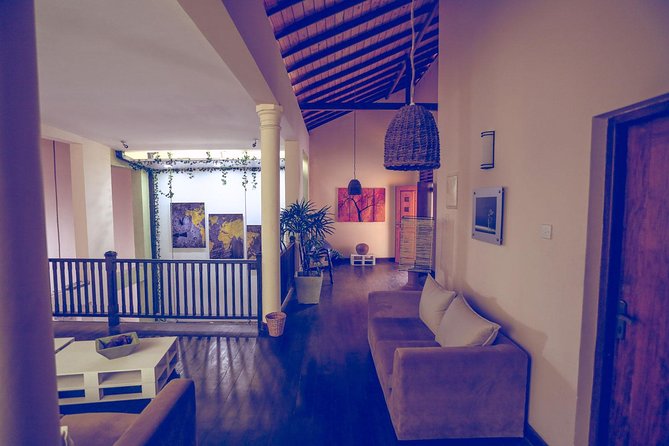
- Quiet villa setting: The cooking takes place in a villa near Sri Jayawardenepura Kotte and Diyawanna Lake, away from central Colombo traffic.
- Five hours, about $80: The price is fair for a private class with a market tour, though you should clarify pickup and drink arrangements.
Why this Colombo cooking class is different
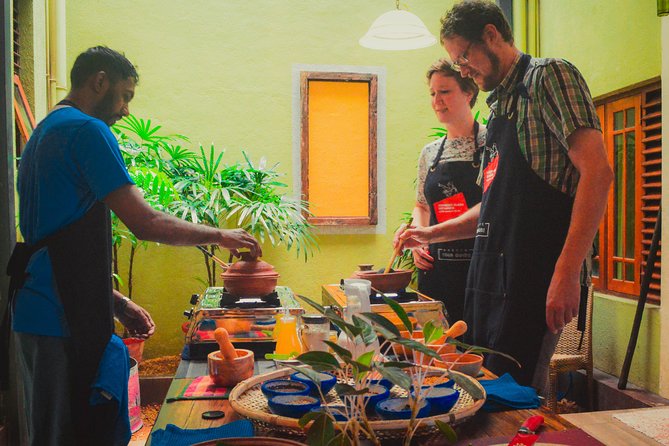
Many cooking classes focus only on recipes. This one adds the part that often gets skipped: learning how to buy the ingredients.
That matters in Sri Lanka. A curry depends on the quality of the vegetables, the freshness of the greens, the coconut, and the way spices are combined. The ingredients may look simple, but the small choices made at the market shape the final dish.
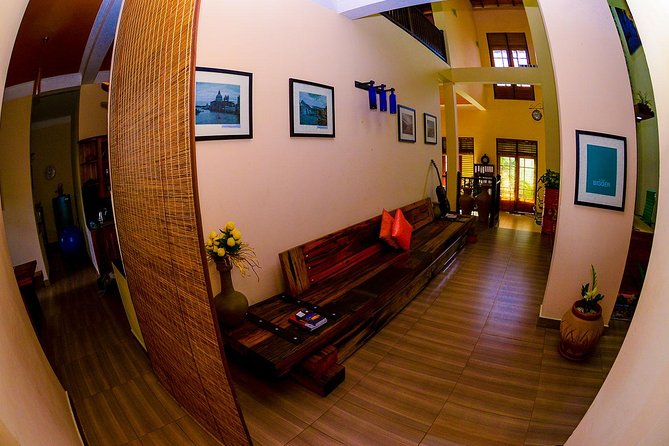
You begin with a freshly made fruit juice or herbal drink. The setting is a villa in the Colombo area, close to Sri Lanka’s Parliament, Immigration Office, and Diyawanna Lake. The location is described as part of Colombo’s green belt, about 9 kilometers from the city center and near the expressway to the airport.
This is not a class held in a crowded restaurant dining room. You are taken to a more relaxed home-style setting, where you can refresh before the market visit and then return to cook. The description also refers to a room and an overnight stay with breakfast, but the main tour details do not clearly say that lodging is part of the $80 experience. I would confirm that point before booking rather than assume a room is included.
More Cooking Classes in Colombo
- Colombo Cooking Class
★ 5.0 · 151 reviews - Market Tour and Hands-On Cooking Class Colombo
★ 5.0 · 140 reviews - Cooking Class Sri Lanka with Locals
★ 5.0 · 101 reviews
The market visit teaches more than ingredient names
The market section is one of the most useful parts of the day. You are not simply shown rows of produce and sent back to the kitchen. The guide helps you understand how to pick vegetables, spices, and other cooking supplies properly.
You might see ingredients that are familiar in name but different in size, freshness, or use from what you find at home. Leafy greens are especially important because the menu includes several mallum options. Mallum is a finely chopped leafy salad, usually mixed with coconut and seasoning, and it gives a meal a fresh counterpoint to heavier curries.
The market also helps with the language gap. Sri Lankan food names can be hard to match with English descriptions, and local shopping customs are not always obvious at first. Having a guide beside you means you can ask what an ingredient is used for, how it should look when fresh, and how much is needed.
The setting is described as being somewhat like a European eco shop, with fresh produce and a local focus. Do not expect this part to feel like a polished food museum. Its value is practical. You are learning the shopping decisions that make home cooking work.
Cooking from scratch, not just watching
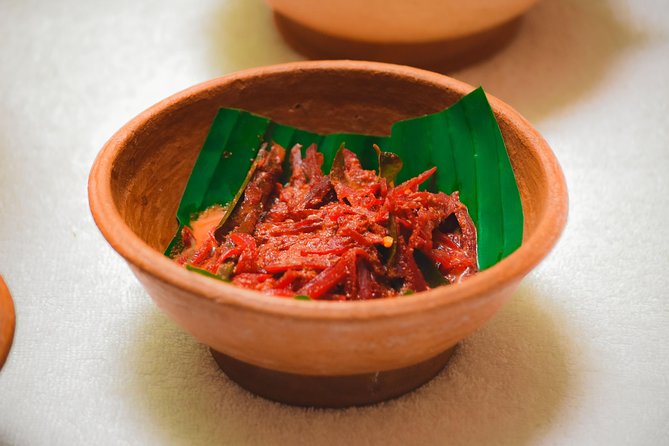
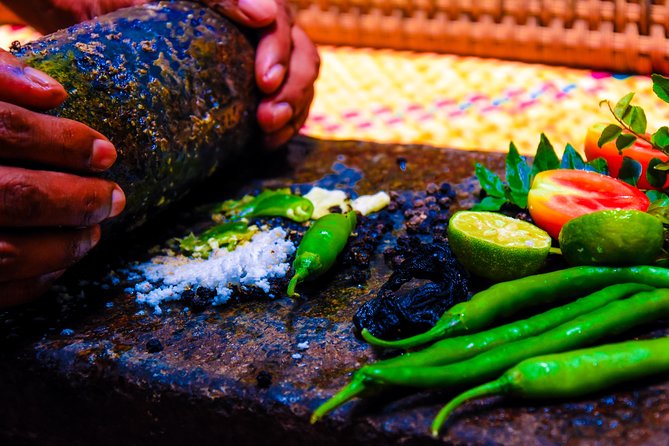
The class is designed to keep you involved. The kitchen work includes sauces, pastes, fillings, appetizers, and the main dishes rather than relying on prepared ingredients. That is a major plus if you want skills you can repeat at home.
The private format should make it easier to ask questions and request another demonstration. The chef and assistant are available to explain techniques and share recipes. The teaching style is described as clear and easy to follow, which matters when several dishes are cooking at once.
You can expect to handle different stages of preparation rather than watch a chef do everything. The experience has been praised for giving each person a chance to try different methods. That makes it a good choice for beginners, but it should also suit cooks who want to understand how Sri Lankan dishes are built.
The class covers several cooking styles. Sri Lankan cooks use different methods to create very different flavors from similar ingredients. A dish may change greatly depending on the spice mix, the order of cooking, the amount of coconut, or the final tempering.
The class is therefore more useful than a short demonstration. You are learning a pattern of cooking: prepare the ingredients, build the seasoning, control the heat, and taste as you go.
Clay pots add a real cooking lesson
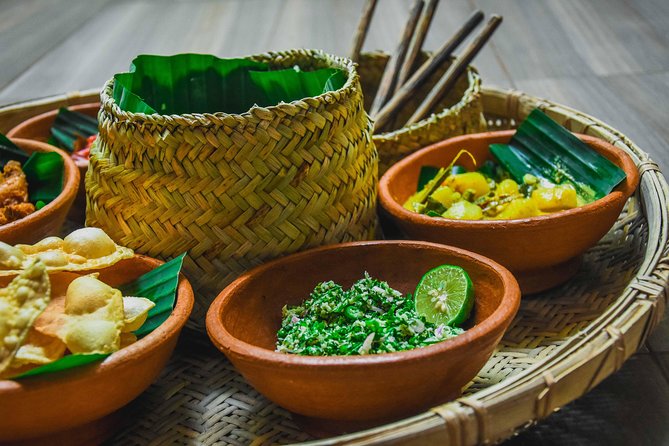
Cooking in clay pots is not merely a photo opportunity. Properly made and seasoned earthenware has porous walls that absorb and release moisture during slow cooking. This can help food stay tender instead of drying out.
The class presents clay-pot cooking as an old Sri Lankan craft. That gives you a connection to local kitchen practice that stainless-steel cookware cannot provide. The pot also changes how you think about heat, moisture, and cooking time.
There is one practical point to remember. Clay cookware needs careful handling, and the class is a demonstration of a traditional method rather than a promise that you will leave with a pot. The useful takeaway is understanding how the vessel affects the food.
For home cooks, this section may be the most memorable part of the class. You learn not only what goes into a curry, but also why the cooking vessel matters.
More Sri Lankan cooking classes:
- Colombo Cooking Experiance with Explore Market
★ 4.7 · 33 reviews - Authentic Sinhalese Cooking Class in Colombo with a Local Family
★ 5.0 · 9 reviews - Cooking class in Srilanka
★ 5.0 · 8 reviews - 3 hour cooking experience
★ 5.0 · 8 reviews
What you can cook during the five hours
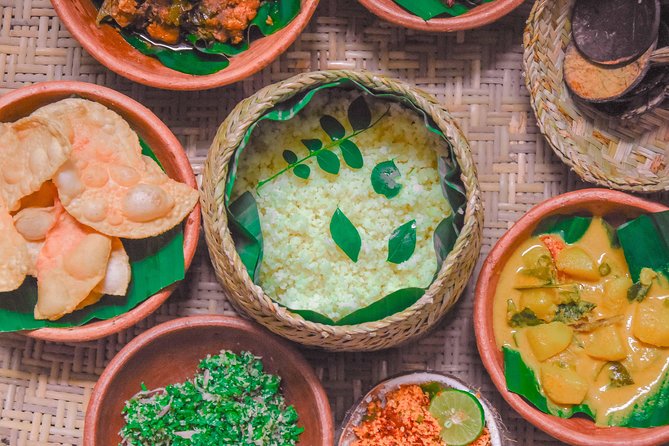
The menu offers a broad sample of Sri Lankan home cooking. You choose one rice dish from the following:
- White rice
- Yellow rice
- Brown rice
The curry selection includes Sri Lankan dhal, coconut sambol, potato curry, fried mushroom, and Sri Lankan chicken curry. Since the experience is promoted as vegan, the plant-based choices are the relevant ones for vegan participants. Chicken appears in the published menu, so dietary requirements need to be stated clearly at booking.
The dhal curry is likely to be a useful foundation for your own cooking because lentils are affordable and widely available. Potato curry offers a softer, milder contrast, while fried mushroom gives the menu a different texture. Coconut sambol adds freshness, heat, and a sharp coconut flavor.
You also choose one mallum, or leafy salad. Options include gotukola, mugunuanna, gova, kankun, and aguna kola. These names may be unfamiliar, which is exactly why the market visit helps. You can see the greens before they are chopped and cooked.
Papadum is listed as an enhancer. It is a small addition, but it brings crunch to a meal built around soft rice, lentils, vegetables, and curry.
Dessert includes buffalo curd with honey or tropical fruit, followed by tea or coffee. Buffalo curd with honey is a particularly worthwhile choice if you want to try a local dairy specialty. It is not vegan, so ask for the fruit option or another suitable replacement when you book.
The setting is calm, but transport needs checking
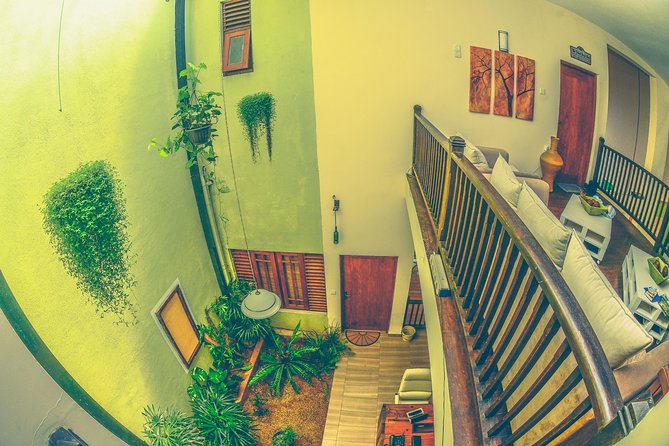
The villa is described as being close to Sri Lanka’s Parliament and Diyawanna Lake, in a quieter part of the capital. That location may appeal to you if you want a break from Colombo’s traffic and noise.
The class operates Monday through Sunday from 9:30 AM to 3:30 PM, with a duration of about five hours. The schedule suggests a daytime experience, even though one description refers to an evening cooking session. Confirm the exact start time at booking.
Transport information is slightly unclear. Pickup is advertised in the tour summary, while the included and excluded details say hotel pickup and hotel drop-off are not included. The meeting point is given as Travel Footprint, Sri Lanka Kollupitiya, with an address in Sri Jayawardenepura Kotte. Those place names cover different parts of the wider Colombo area, so you should confirm the exact meeting point and any transfer cost before you pay.
Traffic can affect transfer times. If you are visiting Colombo from a cruise ship, provide the ship name, docking time, time you can leave the ship, and required re-boarding time. That information is needed to judge if the five-hour activity fits your port visit.
Is $80 a fair price?
At $80 per person, this is not Colombo’s cheapest cooking lesson. The price makes more sense if you value privacy, a market visit, a full meal, several recipes, and a hands-on kitchen session.
You are paying for more than lunch. The experience includes a professional guide, local taxes, bottled water, light refreshments, tea or coffee, and the cooking class itself. The private format is important. A larger class may cost less, but you would likely have less time to ask questions or work directly with the ingredients.
The menu is also substantial. You are not preparing one curry and receiving a small sample. You can work with rice, several curries, sambol, leafy greens, papadum, dessert, and fruit. For a serious food lover, that makes the price easier to justify.
Beer is not included. The menu mentions a taste of local beer and mineral water, but the inclusion section lists alcoholic drinks as extra. I would budget for beer separately or simply choose water, tea, or coffee.
The value is strongest for couples, families, or a small group that wants personal instruction. If you only want to taste Sri Lankan food, a market walk or restaurant meal will cost less. If you want to reproduce the meal at home, the private class offers more lasting value.
Who should book this experience?
I would recommend it most strongly to vegans who want Sri Lankan food explained from the ingredient level upward. It also suits vegetarians, provided you state that preference before the class.
Families can benefit from the hands-on format. One participant was able to remake a dish at home with help from three young children, which suggests the class can give younger cooks a manageable way into Sri Lankan food. The exact age suitability is not stated, so confirm if you are booking for very young children.
This is also a good fit for people who enjoy asking questions. You can learn why a certain green is chosen, how a spice paste is made, and what changes when a dish is cooked in clay. That personal exchange is harder to get in a large group class.
You may want to choose another activity if your schedule is tight, your hotel is far from Kotte, or you dislike arranging transport. The market and cooking together take about five hours, and traffic can affect transfers.
Practical advice before you book
Tell Ceylon Rustic Guide about every dietary requirement at the time of booking. Do not assume that a class labeled vegan will automatically remove chicken, honey, buffalo curd, or other animal products from the menu.
Ask which dessert and drink choices will be provided for a vegan meal. Tropical fruit, tea, coffee, mineral water, and light refreshments are listed, but the exact substitutions are not specified.
Confirm these points before the day:
- The precise meeting address
- Whether hotel pickup is available or costs extra
- The confirmed start time
- Whether any room or overnight stay is included
- Which rice, curry, mallum, and dessert choices will be vegan
- Whether local beer is available at an additional charge
Wear smart-casual clothing. You will be moving between the market and kitchen, so practical clothes are better than anything delicate or restrictive.
The experience requires good weather. If poor weather causes cancellation, you should be offered another date or a full refund. Free cancellation is available when you cancel at least 24 hours before the start time. Changes or cancellations inside that window are not accepted for a refund.
My call: book it for food skills, not just lunch
I think this is one of the stronger Colombo food experiences for someone who wants to cook, not simply eat. The market visit, private teaching, clay-pot method, and wide menu give the day a clear purpose.
Book it if you want personal guidance, enjoy local produce, and have enough time for a half-day activity. The class is especially appealing for vegans, but you must confirm the animal-product substitutions because the listed menu is not fully vegan as written.
Skip it if you want a quick central-Colombo activity or a guaranteed hotel transfer with no planning. For everyone else, the $80 price is reasonable when the private format and full meal are used to their full value.
FAQ
How long does the cooking class and market tour last?
The experience lasts approximately five hours.
Where does the activity start and finish?
It starts at Travel Footprint, Sri Lanka Kollupitiya, Colombo, Western Province, with the supplied address listed as VW99+VCV, Sri Jayawardenepura Kotte, Sri Lanka. It finishes back at the meeting point.
What are the operating hours?
The activity operates Monday through Sunday from 9:30 AM to 3:30 PM.
Is hotel pickup included?
The information is inconsistent. Pickup is offered in the summary, but hotel pickup and hotel drop-off are listed as not included. Confirm the arrangement and any extra cost before booking.
Is the cooking class private?
Yes. Only your group participates in the activity.
Can I request vegan or vegetarian food?
Yes. You should advise the provider of dietary requirements when booking. A vegetarian option is available. Since the listed menu includes chicken, honey, and buffalo curd, confirm the exact vegan menu in advance.
What drinks are included?
Bottled water, light refreshments, and tea or coffee are included. Alcoholic drinks, including beer, are not included.
What happens if bad weather cancels the experience?
You will be offered a different date or a full refund if the experience is canceled because of poor weather. You can also receive a full refund if you cancel at least 24 hours before the start time.
More Market Tours
- Market Tour and Cooking Class from Colombo
★ 5.0 · 5 reviews - Colombo: Local Market Tour & Cooking Demo with Lunch
★ 4.6 · 3 reviews - Galle: Cooking Class at a Local Home and Market Tour
★ 5.0 · 47 reviews - Negombo Private Tour: Market, Temples & Canal
★ 4.9 · 15 reviews
More Food Tours in Colombo
- Colombo Tuk Tuk City Tour -Sightseeing Entry Fees & Food Included
★ 5.0 · 678 reviews - Colombo Local Food Tour by Tuk Tuk – All Inclusive
★ 4.9 · 261 reviews - Colombo Express Food Tour with 9 + Tastings
★ 5.0 · 200 reviews - Colombo: Private City Tour with Local Food Tour by Tuk-Tuk
★ 4.8 · 186 reviews
Just added around Colombo
- 7 Days Sri Lanka Safari Tour★ 5.0 · 3 reviews
- Kandy & Nuwara Eliya | 2 Days Tour★ 4.5 · 3 reviews
- Private Tour of Colombo with Ajeet De Soyza★ 5.0 · 3 reviews
- Tuk Tuk city tour is very cheap in colombo( All inclusive tour)★ 5.0 · 3 reviews
- All Inclusive 5-Days Highlights of Sri Lanka★ 5.0 · 3 reviews
- Personal Guided Colombo City Tour by Tuk Tuk – All Inclusive★ 4.0 · 3 reviews
- Shore Excursion Colombo Port to Mount Lavinia Beach & Colombo city For 4 – 6 Pax★ 4.5 · 3 reviews
- Colombo Port Shore Excursions Colombo City & Kalaniya Temple★ 4.3 · 3 reviews
Cooking Classes, compared.


Organic cooking class sigiriya (kumara & family)
Read our review →


Sri Lankan Cooking Class with Neranji at Homestay
Read our review →

Browse the lists this tour appears in