
Reviewed · COOKING CLASSES
Authentic Sinhalese Cooking Class in Colombo with a Local Family
Sri Lankan cooking starts at the market. This private Colombo experience takes you from Kirulapone Market to Shasikala’s family home, where you help prepare three Sinhalese dishes and eat the meal together. I like the small private setting, and I like the chance to learn in an old home kitchen rather than a polished cooking studio. The main consideration is the $148 price, which is high for a three-hour activity, especially if you are traveling alone.
The warmth of Shasikala and her mother is a major part of the appeal. You can choose lunch or dinner, request a vegetarian, vegan, or halal menu, and tailor the dishes to your preferences. The class is a little less suitable if you want a fast, highly structured demonstration or hotel pickup, since you must make your own way to Mayura Mawatha in Dehiwala.
In This Review
- Five things to know before booking
- A Colombo cooking class with a personal welcome
- Starting at Kirulapone Market
- Preparing three Sinhalese dishes
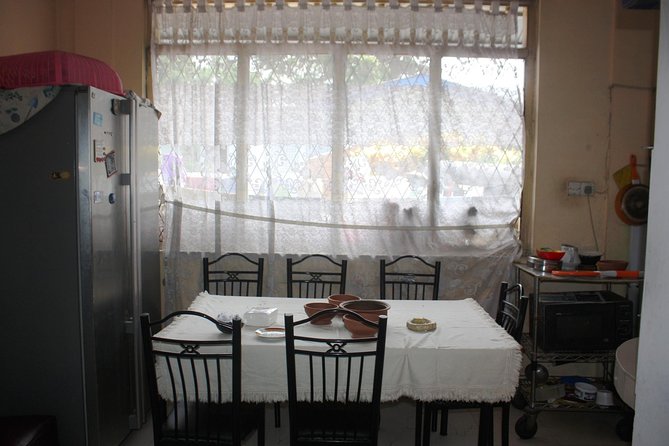
- The old kitchen is part of the lesson
- Sitting down to the meal you helped make
- What $148 means in practical terms
- Timing, transport, and meeting details
- Who will enjoy this Colombo experience?
- Should you book Shasikala’s cooking class?
- FAQ
- How long does the cooking experience last?
- Where does the experience begin and end?
- Is hotel pickup included?
- What dishes will I learn to cook?
- Can I request vegetarian, vegan, or halal food?
- Is the market visit included?
- What is the cancellation policy?
Five things to know before booking
- You cook three dishes from scratch: The usual menu includes a seasonal vegetable, coconut sambol, and fish or chicken curry.
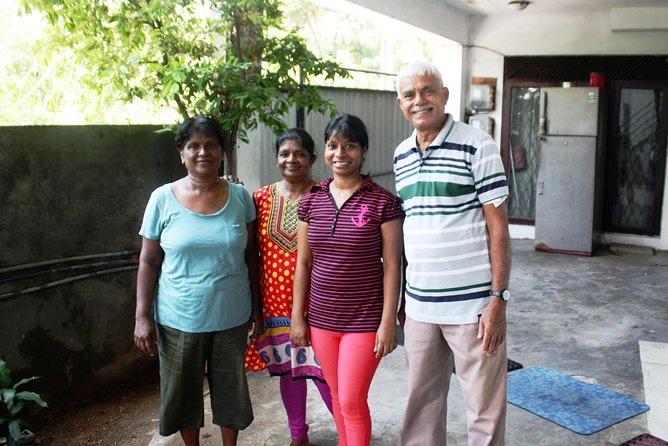
- The class takes place in a family home: Shasikala welcomes you into her modest home in Bellanthara, Dehiwala, not a commercial cooking school.
- The market visit is an optional extra: You can take a tuk tuk to Kirulapone Market, taste local fruit, and select a vegetable for the meal.
- You share the finished food with the family: The meal is part of the experience, not a separate restaurant stop.
- The activity is private: Only your group takes part, making it a good choice for couples, families, or solo participants seeking personal attention.
A Colombo cooking class with a personal welcome
This experience is less about collecting recipes and more about seeing how food fits into an ordinary Sri Lankan home. Shasikala welcomes you with milk tea or fresh juice, introduces you to her family, and then brings you into the kitchen. That beginning matters. You are not being ushered from one station to another in a commercial venue. You are entering a household where cooking is part of daily life.
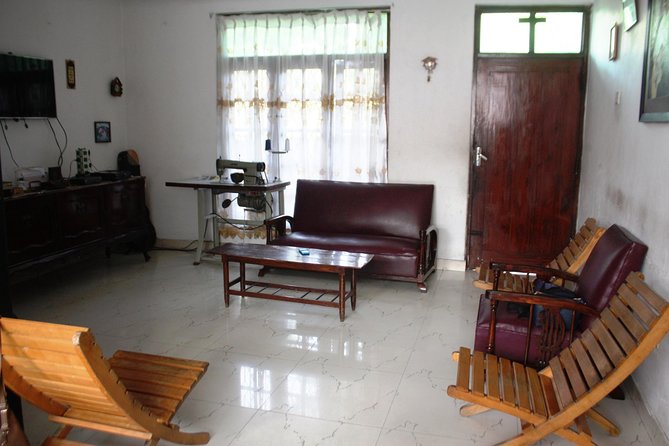
The home is described as simple and modest, with an old traditional kitchen. That may be exactly what you want, but it also sets the right expectations. This is not a sleek studio with bright counters, printed recipe cards, or restaurant-style equipment. The setting is personal and informal, and the cooking experience may feel more relaxed than polished.
I particularly like the role played by Shasikala’s mother. Cooking alongside both women gives the class a family feel, and their welcome seems to be one of its strongest qualities. One solo participant felt at ease almost immediately, which is useful to know if you are traveling alone and worry that a private home visit might feel awkward.
More Cooking Classes in Colombo
- Colombo Cooking Class
★ 5.0 · 151 reviews - Market Tour and Hands-On Cooking Class Colombo
★ 5.0 · 140 reviews - Cooking Class Sri Lanka with Locals
★ 5.0 · 101 reviews
Starting at Kirulapone Market
If you select the market option, you meet Shasikala at her home before taking a tuk tuk to a nearby local market. Kirulapone Market is where local shoppers buy fruits, vegetables, spices, seafood, and meat. The visit gives you a useful introduction to the raw materials behind Sri Lankan food before you begin cooking.
You can walk through the market, take in its sounds and smells, and taste some locally grown fruit. The most practical part is choosing a seasonal vegetable to use later in the class. That small decision gives you a direct link between the market and the meal. Instead of simply watching a guide point out ingredients, you help select one that ends up on your plate.
The market is not a sightseeing stop in the grand Colombo sense. There are no famous monuments or formal exhibits here. Its value is ordinary and local. You see where food is bought, how produce changes with the season, and how a home cook thinks about a meal before turning on the stove.
The market option also adds transport and time to the experience, so ask for the exact schedule when booking. The advertised activity lasts about three hours, while the hands-on cooking portion is described as roughly one hour. The market visit, welcome, preparation, and shared meal make up the rest.
Preparing three Sinhalese dishes
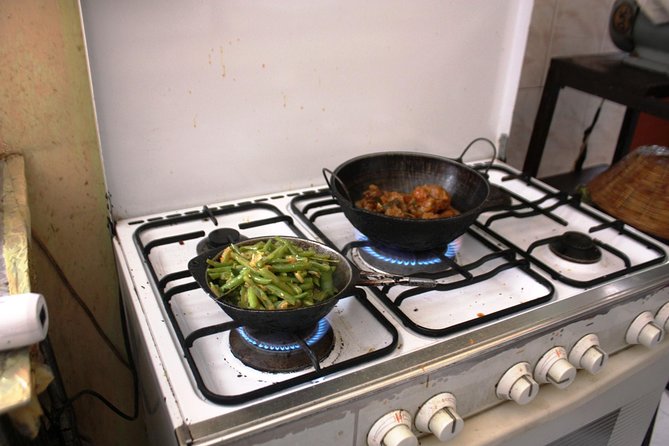
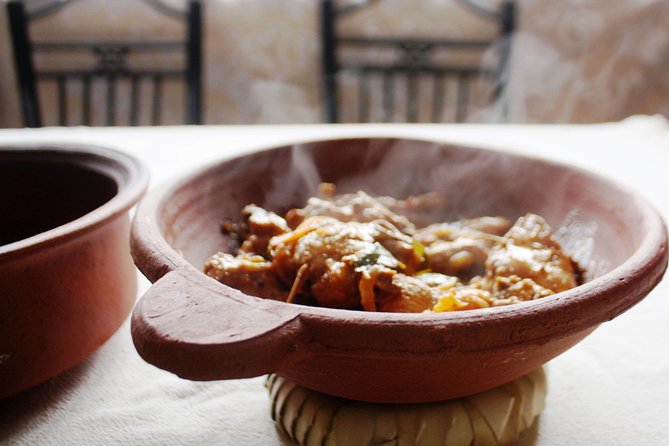
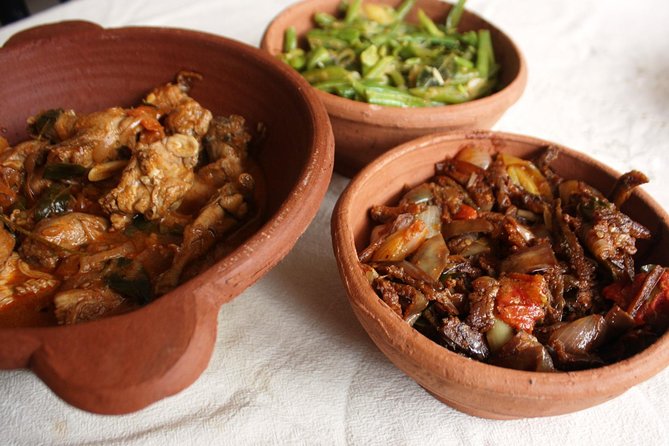
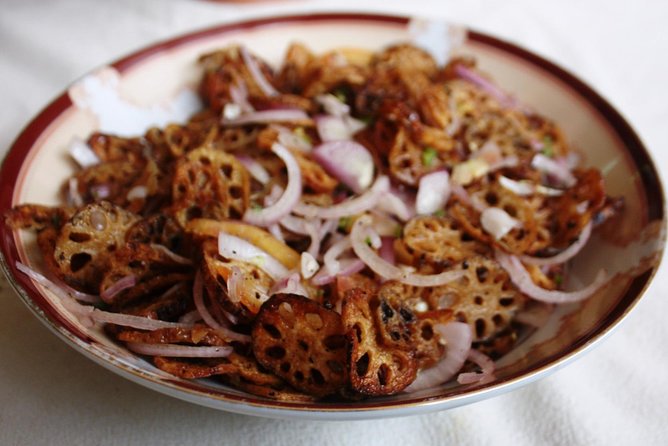
Back at the house, you learn to prepare three dishes from scratch. The standard combination is a seasonal vegetable, coconut sambol, and a fish or chicken curry. You can customize the menu, so tell the host about your preferences, allergies, or dietary restrictions when you book rather than waiting until the day of the class.
This menu gives you a good picture of the balance in Sri Lankan home cooking. The vegetable dish shows how seasonal produce is treated. Coconut sambol brings a fresh, sharp element to the table. The curry provides the main source of spice and protein. Together, the dishes create a meal rather than a single recipe in isolation.
The class is hands-on, so you should expect to take part in the preparation instead of simply watching Shasikala cook. The information provided does not specify every technique, spice, or cooking tool, and the menu may change with the season. That flexibility is part of the point. A home cook is working with what is available, not following a fixed tourist menu all year.
If you prefer vegetarian or vegan food, the host can provide it on request. Halal meals are also available. Fish or chicken is part of the usual menu, but your choices can be adjusted. Be clear about allergies and cooking preferences at booking, since the host needs that information ahead of time.
The old kitchen is part of the lesson
A commercial class can make cooking easy to observe. A family kitchen can show you something more useful: how food is prepared in the setting where it is normally eaten. Shasikala’s old traditional kitchen may be compact and basic, but it gives the class its character.
You may need to pay closer attention than you would in a large demonstration kitchen. There is less separation between host and student, and the process may feel more like helping a family member than attending a formal lesson. That suits people who enjoy conversation and participation.
If you are looking for technical training aimed at professional cooking, this is probably not the right choice. The activity is designed around home-style Sinhalese food and cultural exchange. You will leave with a better sense of the meal, the ingredients, and the family behind it, but the experience is not presented as a chef certification course.
One practical question is how much written instruction you receive afterward. The supplied details do not promise a printed recipe booklet or digital recipes, so ask about that if you want to reproduce the dishes at home. You should still pay close attention during the class and take notes if the host allows it.
More Sri Lankan cooking classes:
- Colombo Cooking Experiance with Explore Market
★ 4.7 · 33 reviews - Vegan Cooking Class Colombo with Market Tour
★ 5.0 · 9 reviews - Cooking class in Srilanka
★ 5.0 · 8 reviews - 3 hour cooking experience
★ 5.0 · 8 reviews
Sitting down to the meal you helped make
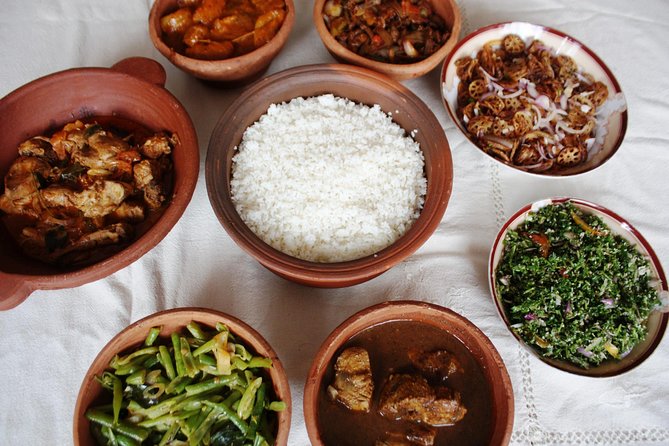
The finished food is served at the end, and you eat with the host family. This shared meal is one of the best reasons to choose this class over a standard restaurant dinner. You are tasting the dishes immediately after preparing them, with Shasikala and her family nearby to explain the food and answer questions.
The meal also gives the class a natural ending. You are not rushed out as soon as the final dish is ready. Instead, the cooking becomes a social occasion, with the family sharing their food and home with you. Non-alcoholic beverages are included.
The strongest praise for this experience concerns the food and the welcome. One pair who cooked with Shasikala and her mother considered it the best food they had in Sri Lanka. That is a high compliment, though taste is personal and a single meal should not be treated as a guarantee. Still, it tells you where this activity earns its price: in the care of the hosts and the freshness of a meal cooked for your group.
Shasikala has also been known to send participants home with fresh herbs. That is a small but thoughtful touch, especially if you want to remember the flavors after leaving Colombo. A tuk tuk can also be arranged for your return, which may make the end of the evening easier and safer, though hotel drop-off is not included.
What $148 means in practical terms
At $148 per person, this is not a bargain cooking lesson. The price needs to be judged against what you are buying. You are paying for a private class, a family visit, a meal, drinks, taxes, gratuities, and, if selected, a local market visit. You are also paying for personal attention that a group class cannot provide.
For two people, the cost can make sense if you place a high value on private cultural experiences and a meal in a local home. Couples can ask questions freely and set the pace. Families may also appreciate being able to request dishes suited to different ages or dietary needs.
For a solo participant, the calculation is harder. The private format means you receive direct attention, and one solo participant found the hosts welcoming and easy to talk with. Still, $148 for one person is a substantial spend when the activity lasts about three hours. I would choose it as a special Colombo experience, not as a routine meal replacement.
Group discounts may be available, so check the price for your full party before deciding. Since only your group participates, the cost could feel more reasonable when shared across several people. The value is strongest if you want an intimate home visit, not simply a low-cost cooking lesson.
Timing, transport, and meeting details
The activity begins at Mayura Mawatha in Dehiwala-Mount Lavinia, Sri Lanka, and ends back at the same meeting point. Hotel pickup and drop-off are not included, so plan your route before the class. The location is near public transportation, but you should allow enough time to arrive without rushing the welcome.
The market option includes a tuk tuk from the home to the nearby market. That transport is part of the local feel, but it does not replace getting to the starting point. If you choose a dinner class, confirm your return plans in advance. A host may help arrange a tuk tuk, but the official inclusions do not promise hotel transportation.
The class offers lunch and dinner times. Lunch may fit neatly into a day of sightseeing, while dinner gives you a slower end to the day. Since the experience takes place in a private home, punctuality matters more than it might at a large tour venue. Arrive at the agreed meeting time.
Confirmation is sent within 48 hours of booking, subject to availability. Free cancellation is available if you cancel at least 24 hours before the start time. Changes or cancellations made inside that 24-hour window are not accepted for a refund.
Who will enjoy this Colombo experience?
I would recommend this class to you if you like food with a human story attached to it. It suits curious eaters, home cooks, couples, families, and solo participants who prefer conversation over a formal presentation.
It is also a strong fit if you have already seen Colombo’s main sights and want an activity centered on daily life. The market and family home offer a different view of the city, one built around shopping, cooking, and eating rather than landmarks.
The class may not suit you if you want a large, polished kitchen, a fixed menu, professional culinary instruction, or included hotel transfers. It may also feel expensive if your main goal is simply to eat Sri Lankan food. Colombo has cheaper meals available, but they will not include the private home visit or hands-on preparation.
Food restrictions are not a barrier as long as you communicate early. Vegetarian, vegan, and halal meals can be arranged, and menu choices can be customized. Seasonal changes mean you should remain flexible about the exact vegetable or other ingredients.
Should you book Shasikala’s cooking class?
Book this experience if you want to meet a local family, cook a complete Sri Lankan meal, and see how market ingredients become home food. The warm welcome from Shasikala and her mother, the chance to choose ingredients, and the shared meal are the most valuable parts.
Skip it if you are looking for the cheapest way to learn a recipe or if transport from your hotel is essential. At $148 per person, this is a premium private experience, but it offers something a restaurant and a standard group class cannot: time in a real Colombo home with the people who cook there. For a special meal and a personal cultural encounter, it is a strong choice.
FAQ
How long does the cooking experience last?
The full activity lasts approximately three hours. The hands-on cooking portion is described as about one hour, with the remaining time covering the welcome, optional market visit, preparation, and shared meal.
Where does the experience begin and end?
It begins at Mayura Mawatha in Dehiwala-Mount Lavinia, Sri Lanka, and ends back at the same meeting point.
Is hotel pickup included?
No. Hotel pickup and drop-off are not included. The meeting point is near public transportation.
What dishes will I learn to cook?
The usual class includes a seasonal vegetable, coconut sambol, and a fish or chicken curry. The menu may vary by season and can be customized.
Can I request vegetarian, vegan, or halal food?
Yes. Shasikala can offer vegetarian, vegan, and halal meals. You should provide details about allergies, dietary restrictions, and preferences when booking.
Is the market visit included?
The local neighborhood market visit is included if you choose the market tour option. You can take a tuk tuk to Kirulapone Market, taste locally grown fruit, and select a seasonal vegetable for the class.
What is the cancellation policy?
You can cancel at least 24 hours before the experience start time for a full refund. Cancellations or changes made less than 24 hours before the start time are not accepted for a refund.
More Workshops
- Market Tour and Cooking Class from Colombo
★ 5.0 · 5 reviews - Colombo: Jewelry Workshop Experience 3-6 Hours-Free Jewelry
★ 3.8 · 3 reviews - Ella: Traditional Sri Lankan Cooking Class
★ 4.9 · 788 reviews - Organic cooking class sigiriya (kumara & family)
★ 5.0 · 650 reviews
Just added around Colombo
- 7 Days Sri Lanka Safari Tour★ 5.0 · 3 reviews
- Kandy & Nuwara Eliya | 2 Days Tour★ 4.5 · 3 reviews
- Private Tour of Colombo with Ajeet De Soyza★ 5.0 · 3 reviews
- Tuk Tuk city tour is very cheap in colombo( All inclusive tour)★ 5.0 · 3 reviews
- All Inclusive 5-Days Highlights of Sri Lanka★ 5.0 · 3 reviews
- Personal Guided Colombo City Tour by Tuk Tuk – All Inclusive★ 4.0 · 3 reviews
- Shore Excursion Colombo Port to Mount Lavinia Beach & Colombo city For 4 – 6 Pax★ 4.5 · 3 reviews
- Colombo Port Shore Excursions Colombo City & Kalaniya Temple★ 4.3 · 3 reviews
Cooking Classes, compared.


Organic cooking class sigiriya (kumara & family)
Read our review →


Sri Lankan Cooking Class with Neranji at Homestay
Read our review →

Browse the lists this tour appears in