
Reviewed · COOKING CLASSES
Colombo Cooking Class
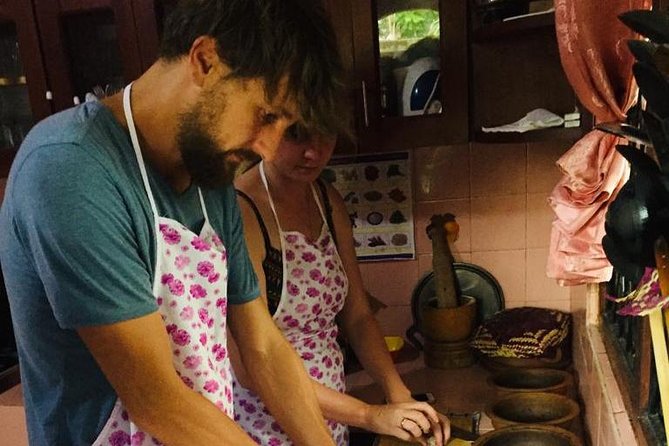
Sri Lankan food is best learned at the stove. This private Colombo class takes you into the world of home cooking, where you prepare at least 10 local dishes with a host rather than simply watching a demonstration. I like the hands-on format, and I like that the finished meal becomes part of the lesson. You cook, then sit down to eat what you made.
I also like the flexibility: you can choose a lunch session beginning at 10 a.m. or a dinner session beginning at 4 p.m., with timing open to adjustment by agreement. The main consideration is the meeting point in Angoda, at No. 275/1, B231, Colombo 10600. That may be less convenient than a class in central Colombo, so check your transport plan before booking.
In This Review
- Key points to know before booking
- Why a Colombo home kitchen tells you more
- A three-hour lesson with a full meal at the end
- Egg hoppers, curries, and traditional desserts
- Piumi’s teaching style and the personal feel
- Lunch at 10 a.m. or dinner at 4 p.m.
- Is $60 per person a fair price?
- Getting to No. 275/1 in Angoda
- Who will enjoy this class most?
- Booking advice and cancellation
- Should you book the Colombo Cooking Class?
- FAQ
- Where does the Colombo Cooking Class take place?
- How long does the cooking class last?
- What time does the class begin?
- How many dishes will I prepare?
- Is the cooking class private?
- Can vegetarians take part?
- What happens at the end of the class?
- Is cancellation free?
Key points to know before booking
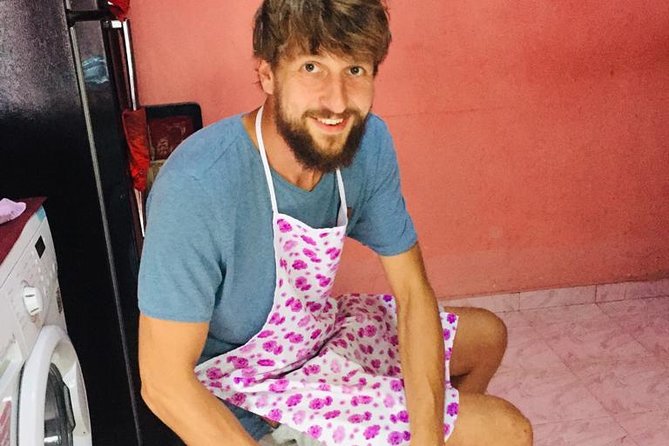
- You make at least 10 dishes: The class includes a broad spread of Sri Lankan food, including curries, egg hoppers, and traditional desserts.
- This is a private class: Only your group participates, which allows the cooking lesson to suit your pace and food preferences.
- Piumi receives especially warm praise: She is described as an excellent cook and teacher, with a friendly approach to explaining Sri Lankan food and daily life.
- Vegetarian cooking can be accommodated: One participant prepared 10 different vegetarian curries with Piumi and enjoyed the resulting lunch.
- The class lasts about three hours: That gives you time to prepare the food and eat the finished meal without turning the lesson into an all-day commitment.
- The price is $60 per person: Ingredients are included, and the private format makes this a reasonable choice for people who want both a meal and a cultural lesson.
Why a Colombo home kitchen tells you more
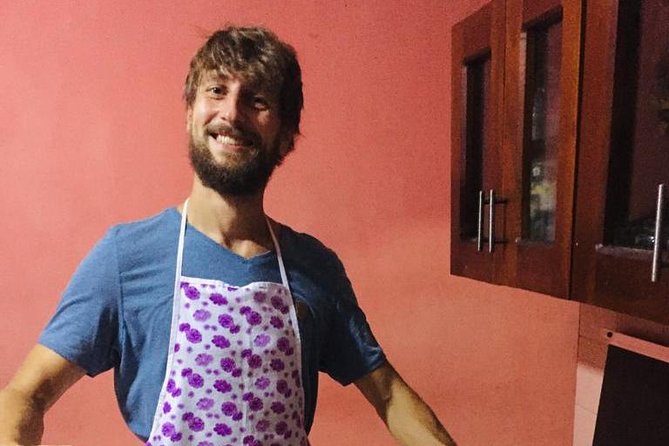
Sri Lankan cooking is not just a collection of recipes. It is a window into how food fits into family life, hospitality, and the daily rhythm of the country. This class puts that idea at the center by teaching you in a home setting with a local cook.
I like this approach more than a polished cooking studio built only for visitors. A restaurant can show you the finished plate, but a home-based lesson can explain the work behind it: how ingredients are prepared, how several dishes come together, and why a Sri Lankan meal often includes many different flavors at once.
The class is described as traditional and hands-on. That means you should expect to take part in preparing and cooking the food, not simply sit at a counter while somebody else does the work. The practical value is clear: you leave with techniques and a better sense of how the dishes are made, rather than just a menu you enjoyed once.
The cultural side matters, too. One particularly strong part of the experience is the connection between cooking and Sri Lankan life. You are not only learning what goes into a curry or hopper. You are also hearing how food and cooking matter in an ordinary Sri Lankan household.
More Cooking Classes in Colombo
- Market Tour and Hands-On Cooking Class Colombo
★ 5.0 · 140 reviews - Cooking Class Sri Lanka with Locals
★ 5.0 · 101 reviews - Colombo Cooking Experiance with Explore Market
★ 4.7 · 33 reviews
A three-hour lesson with a full meal at the end
The class lasts approximately three hours, and its structure is refreshingly simple. You arrive at the Colombo Cooking Class meeting point, prepare a large selection of dishes with your host, and then sit down to eat the results.
The class includes at least 10 different dishes, plus traditional desserts. That is a generous amount of food for a three-hour session, and it gives you a broad look at Sri Lankan cooking rather than focusing on one signature recipe.
You might work with several types of curries, egg hoppers, side dishes, and a sweet finish. The exact dishes are not specified in advance, so you should not book expecting a fixed menu with particular ingredients guaranteed. The useful part of this flexibility is that the meal can reflect local home cooking instead of a rigid tourist menu.
The number of dishes also explains why this is more than a quick cooking demonstration. You get to see how a meal comes together as a group of dishes. Sri Lankan food is often enjoyed through combinations of curries, accompaniments, and rice or other staples, so preparing many dishes gives you a more accurate picture of the cuisine than learning one curry in isolation.
At the end, you eat what you have prepared. That sounds obvious, but it changes the feel of the class. You can taste the balance of the dishes immediately, connect the finished meal with the work behind it, and ask questions while the flavors are still fresh.
Egg hoppers, curries, and traditional desserts
Egg hoppers are one of the most appealing named highlights of this class. These bowl-shaped Sri Lankan pancakes are associated with breakfast and street food, and the egg version adds a soft center to the crisp-edged hopper. Learning to prepare them gives you a useful introduction to one of the country’s best-known foods.
Curries form another major part of the lesson. The menu can include fish curry, and one participant particularly enjoyed preparing a fish curry along with a wide spread of other dishes. If you eat seafood, this can be a good chance to learn how Sri Lankan home cooking handles fish rather than ordering a familiar restaurant version.
The class is also suitable for vegetarians. Piumi adapted the lesson for one vegetarian participant, who prepared 10 different vegetarian curries. That detail is important because it suggests the class is not limited to a single meat-centered menu. If you have dietary needs, raise them when arranging the class so the cooking plan can be discussed in advance.
Traditional desserts complete the meal. The supplied details do not specify which desserts are prepared, so I would treat this as a pleasant part of the menu rather than expect one particular sweet. Still, including dessert helps you see how a Sri Lankan meal moves beyond savory curries and spices.
The sheer variety is the main appeal. You get a taste of the country’s food culture in one sitting, with the chance to compare different textures and levels of spice. Just remember that a broad menu means the class may move at a steady pace. If you want to master one recipe in great detail, a smaller lesson might suit you better.
Piumi’s teaching style and the personal feel
Piumi is praised as both an excellent cook and an excellent teacher. That combination matters. A skilled home cook can produce delicious food, but teaching requires patience, clear explanations, and the ability to guide somebody who may not know the local methods.
The personal tone is one of the strongest reasons to consider this class. You are learning directly from a local cook rather than following a generic recipe. The experience has been described as an insight into Sri Lankan life and the important role that food and cooking play each day.
I like that this gives the class a human focus. Recipes can tell you what to add, but a local teacher can explain how food is actually used at home. You may find that the most memorable parts are not the formal steps, but the small explanations around them: why a dish belongs on the table, how the meal is organized, or how cooking fits family routines.
Because the class is private, your group is the only group participating. That is useful if you want to ask many questions, need a vegetarian menu, or prefer not to cook in front of a large class. It also removes the pressure of keeping up with strangers.
The tradeoff is that a private lesson has less of the social energy found in a shared group. If you enjoy meeting other cooks from around the world, this may feel quieter. If you value direct attention and a more personal connection, the private setup is a strong advantage.
More Sri Lankan cooking classes:
- Authentic Sinhalese Cooking Class in Colombo with a Local Family
★ 5.0 · 9 reviews - Vegan Cooking Class Colombo with Market Tour
★ 5.0 · 9 reviews - Cooking class in Srilanka
★ 5.0 · 8 reviews - 3 hour cooking experience
★ 5.0 · 8 reviews
Lunch at 10 a.m. or dinner at 4 p.m.
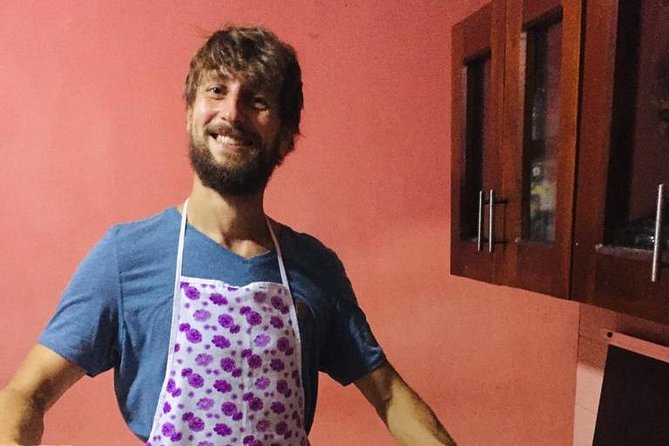
You can choose between a lunch cooking session starting at 10 a.m. and a dinner session starting at 4 p.m. The activity takes about three hours, so the lunch option should lead into an early afternoon meal, while the dinner option should finish later in the day.
These start times are useful because they fit naturally into a day of sightseeing. The lunch session works well if you want a substantial midday meal and a free evening. The dinner session is better if you plan to explore Colombo during the day and finish with a local cooking activity.
The stated start times can change according to mutual availability. Do not assume that 10 a.m. or 4 p.m. is completely fixed until your time is confirmed. This flexibility is helpful, but it also means you should leave some room in your schedule.
The meal itself is included in the activity because you eat the dishes you prepare. Ingredients are included as well, so the $60 price is not just paying for instruction. It covers the food used during the class and the finished lunch or dinner.
Is $60 per person a fair price?
At $60 per person, this is not the cheapest way to eat in Colombo. You can find a less expensive restaurant meal, and a market snack will cost far less. But a restaurant meal does not give you three hours of private instruction, ingredients, cultural context, and the chance to prepare at least 10 dishes.
The value improves if you are traveling with a partner, family group, or a few friends who can enjoy the private format together. Only your group participates, so you are paying for a personal class rather than a seat in a large session. The price is easiest to justify if you care about food and want to carry some of the experience home.
It is also good value for vegetarians, since the cooking plan can include 10 vegetarian curries rather than treating vegetarian food as a side issue. If you have a particular diet, confirm the details before the class, but the experience has already shown flexibility in this area.
The price is less compelling if you mainly want to eat and have little interest in cooking. Three hours is a long time for someone who would rather order a meal and move on. You should choose this class for the process as much as for the food.
Getting to No. 275/1 in Angoda
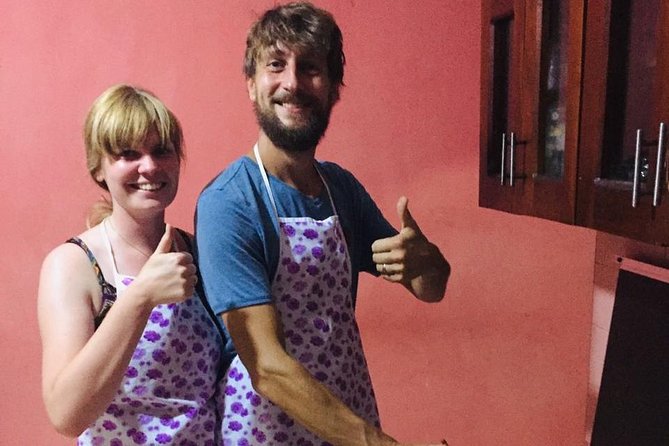
The meeting point is Colombo Cooking Class at No. 275/1, B231, Angoda 10600, Sri Lanka. The activity ends back at the same meeting point.
The location is near public transportation, which is helpful, but the supplied details do not specify the best route from your hotel or the exact travel time. Angoda may not be the most central part of a Colombo sightseeing day, so allow extra time and check the route before you set off.
This is one of the few practical drawbacks I would take seriously. A cooking class works best when you arrive relaxed and ready to participate. Turning up late after a difficult cross-city trip could cut into the preparation time, especially with 10 dishes on the plan.
The activity offers a mobile ticket, and confirmation is received at booking. Service animals are allowed. Those details are useful, but they should not distract from the main planning point: confirm the meeting time and arrange your route to Angoda in advance.
Who will enjoy this class most?
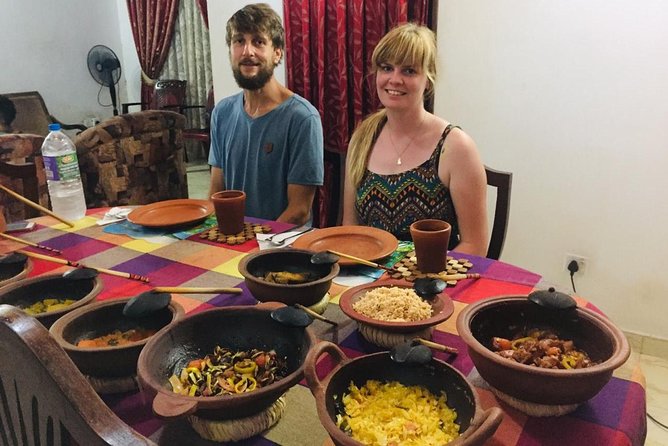
I would recommend it to people who plan trips around food, especially those who want more than a restaurant meal. It is a good match for couples, families, and small private groups who enjoy cooking together and want plenty of interaction with a local host.
Vegetarians should give it serious consideration because the lesson can be adapted to produce a full vegetarian spread. Food-focused visitors who want to learn about curries, egg hoppers, and traditional desserts will also get a lot from the range of dishes.
The class may be less suitable for somebody with limited mobility or a strong dislike of kitchen work, since the lesson is hands-on. The supplied information does not describe the kitchen setup or seating arrangements, so ask about those points if they affect your decision.
It is also not the right choice if your schedule is tightly packed around central Colombo. The Angoda meeting point and three-hour duration require a real block of time. You should not try to squeeze this into a narrow gap between fixed bookings.
Booking advice and cancellation
The class is available every day for both lunch and dinner sessions, with the start time subject to mutual availability. It is often reserved around 18 days ahead, so booking early is sensible if you need a particular date or meal time.
Free cancellation is available if you cancel at least 24 hours before the scheduled start time. Changes or cancellations made inside that 24-hour window are not accepted for a refund, and the cut-off follows local time.
Since the menu can vary and dietary preferences may shape the lesson, I would mention those needs when booking. That is especially important if you want the vegetarian version or hope to learn a particular kind of dish.
Should you book the Colombo Cooking Class?
Yes, if you want a personal introduction to Sri Lankan home cooking rather than a quick food stop. The combination of 10 or more dishes, traditional desserts, a shared meal, and private instruction gives the $60 price real value for food-minded visitors.
I would book it with three points in mind: the class takes about three hours, the meeting point is in Angoda, and the exact menu is not fixed in the information provided. If those details work for your schedule, this is one of the better ways to connect a meal with the people and habits behind it.
FAQ
Where does the Colombo Cooking Class take place?
The class takes place at Colombo Cooking Class, No. 275/1, B231, Angoda 10600, Sri Lanka.
How long does the cooking class last?
The experience lasts approximately three hours.
What time does the class begin?
Lunch begins at 10 a.m. and dinner begins at 4 p.m. The start time can change according to availability between you and the class.
How many dishes will I prepare?
You will prepare at least 10 different dishes, along with traditional Sri Lankan desserts.
Is the cooking class private?
Yes. Only your group participates in this private activity.
Can vegetarians take part?
Yes. The class can accommodate vegetarian cooking. One participant prepared 10 different vegetarian curries.
What happens at the end of the class?
The activity ends back at the meeting point, and you sit down to eat the dishes you prepared.
Is cancellation free?
Yes, if you cancel at least 24 hours before the experience start time. Cancellations or changes made less than 24 hours before the start time are not refunded.
More Workshops
- Market Tour and Cooking Class from Colombo
★ 5.0 · 5 reviews - Colombo: Jewelry Workshop Experience 3-6 Hours-Free Jewelry
★ 3.8 · 3 reviews - Ella: Traditional Sri Lankan Cooking Class
★ 4.9 · 788 reviews - Organic cooking class sigiriya (kumara & family)
★ 5.0 · 650 reviews
Just added around Colombo
- 7 Days Sri Lanka Safari Tour★ 5.0 · 3 reviews
- Kandy & Nuwara Eliya | 2 Days Tour★ 4.5 · 3 reviews
- Private Tour of Colombo with Ajeet De Soyza★ 5.0 · 3 reviews
- Tuk Tuk city tour is very cheap in colombo( All inclusive tour)★ 5.0 · 3 reviews
- All Inclusive 5-Days Highlights of Sri Lanka★ 5.0 · 3 reviews
- Personal Guided Colombo City Tour by Tuk Tuk – All Inclusive★ 4.0 · 3 reviews
- Shore Excursion Colombo Port to Mount Lavinia Beach & Colombo city For 4 – 6 Pax★ 4.5 · 3 reviews
- Colombo Port Shore Excursions Colombo City & Kalaniya Temple★ 4.3 · 3 reviews
Cooking Classes, compared.


Organic cooking class sigiriya (kumara & family)
Read our review →


Sri Lankan Cooking Class with Neranji at Homestay
Read our review →

Browse the lists this tour appears in