
Reviewed · COOKING CLASSES
Authentic Sri Lankan Cooking Class in Mirissa
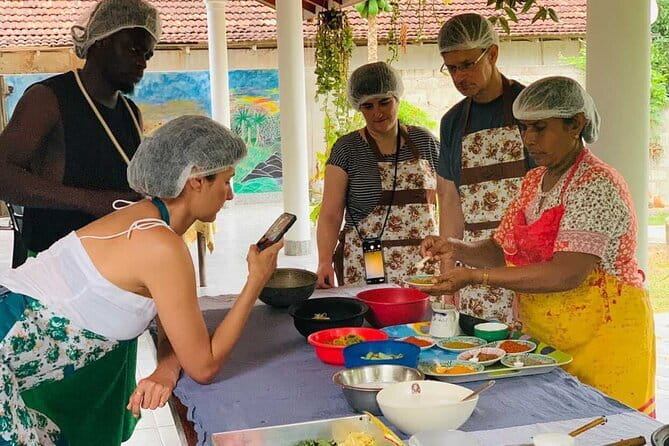
Come hungry, leave knowing curry. This three-hour family cooking class with Nona, Indra, and Prabodi gives you a friendly look at Sri Lankan food, from choosing fresh vegetables to cooking several dishes in a garden kitchen. I like the small maximum of six people, which keeps the lesson personal, and I like that you can help choose what goes into the meal. The main consideration is that solo bookings are not accepted, so you need at least two people to reserve.
The class begins at 4:00 pm at Indra Restaurant in Mirissa and ends at the same place. For $30 per person, you get ingredient shopping, hands-on cooking, rice, papadams, and a full meal. That is good value if you want more than a demonstration and hope to take a few useful recipes home.
In This Review
- Key Points at a Glance
- Starting at 4:00 pm in Mirissa
- Shopping for Fresh Ingredients
- Cooking in the Garden Kitchen
- Choosing Four Sri Lankan Dishes
- Learning the Rice and Curry Basics
- Sitting Down to Rice, Curries, and Papadams
- Why the Small Group Size Matters
- Is $30 Good Value?
- Who Will Enjoy This Most?
- Cancellation and Planning Advice
- FAQ
- Where does the cooking class start?
- What time does the experience begin?
- How long does the cooking class last?
- How many people can join?
- Can I book if I am traveling alone?
- What food can I prepare?
- Can I cancel for a full refund?
- Should You Book This Mirissa Cooking Class?
Key Points at a Glance
- Shop for ingredients first: Learn about the vegetables, spices, and flavors before cooking.
- Choose four dishes: Pick from curries, fried vegetables, sambol, salads, and other options available that day.
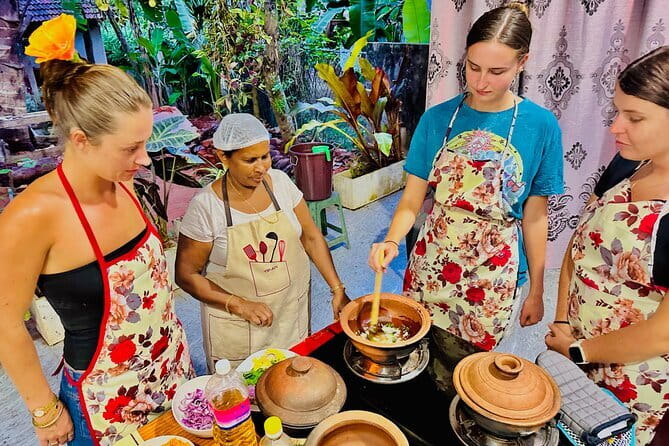
- Cook in a family setting: The class takes place around the family kitchen and garden, not in a formal culinary school.
- Small group size: The maximum is six people, making it easier to take part and ask questions.
- A generous final meal: Your dishes come with rice and crispy papadams.
- Best for pairs and food lovers: A minimum booking of two people makes this a better fit for couples, friends, and small families.
Starting at 4:00 pm in Mirissa
Your meeting point is Indra Restaurant, listed at WFX5+XMF in Mirissa, Sri Lanka. The experience is described under Galle, but the practical starting point is Mirissa, so check your route carefully if you are staying outside town.
The 4:00 pm start works well with the rhythm of a beach day. You can spend the morning by the sea, have a quiet afternoon, then head to the class when the heat is easing. Since the activity lasts about three hours, you should expect to finish around 7:00 pm, although the exact end time can vary slightly with the cooking.
You receive confirmation at booking, and a mobile ticket is available. The meeting point is near public transportation, though the supplied details do not specify which buses or services stop nearby. If you are unsure of the route, use the restaurant name and the map location rather than relying only on the broader Galle label.
More Cooking Classes in Galle
- Sea waves sri lankan cooking class
★ 5.0 · 467 reviews - Galle Unawatuna Cooking Class
★ 5.0 · 142 reviews - Galle Fort cooking class
★ 5.0 · 60 reviews
Shopping for Fresh Ingredients
The class starts with a trip to shop for local ingredients. This is one of the most useful parts because it gives the food some context before you begin chopping and cooking.
Instead of simply finding prepared ingredients waiting on a counter, you get to see what is available that day. You can learn about the flavor and origin of the vegetables, then use those ingredients in the meal. That small shopping trip also helps explain why the menu is flexible.
The class offers four dishes from a list, or another vegetable available that day. This means you are not locked into one fixed menu. If you prefer a meal with more vegetables, you might choose pumpkin, green beans, aubergine, mushrooms, potatoes, okra, and coconut sambol. If you want a meat or seafood dish, chicken or fish curry is available when suitable ingredients can be found.
The flexible menu is a real advantage, but it also means you may not know the final dishes until the day itself. If you have a strong preference, raise it early. Availability can guide the menu, and the class is built around cooking with what is fresh.
Cooking in the Garden Kitchen
After shopping, you move into the kitchen and garden area to prepare the meal. The setting is informal and home-like, with the cooking taking place in an outdoor space surrounded by a relaxing garden.
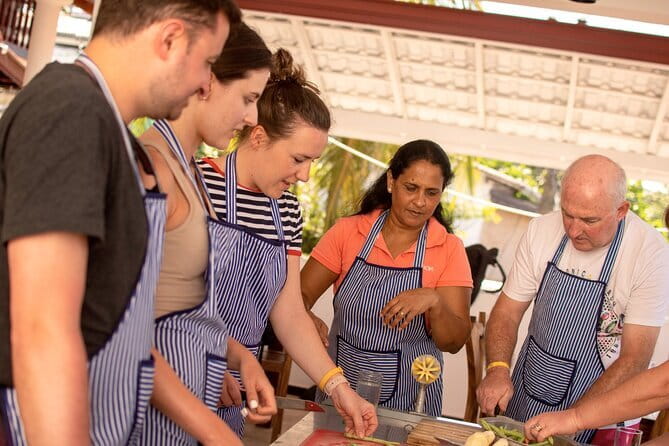
That setting matters. You are not sitting in a classroom watching an instructor prepare everything while you take notes. You get to help with the cooking and take part in the work. The pace is meant to be relaxed, and the class does not demand advanced cooking skills.
Nona and Indra lead the experience, while Prabodi is also involved in hosting the class. The strongest part of the teaching style is its warmth. You can expect the hosts to explain the dishes, show you what to do, and let you participate rather than leaving you at the edge of the kitchen.
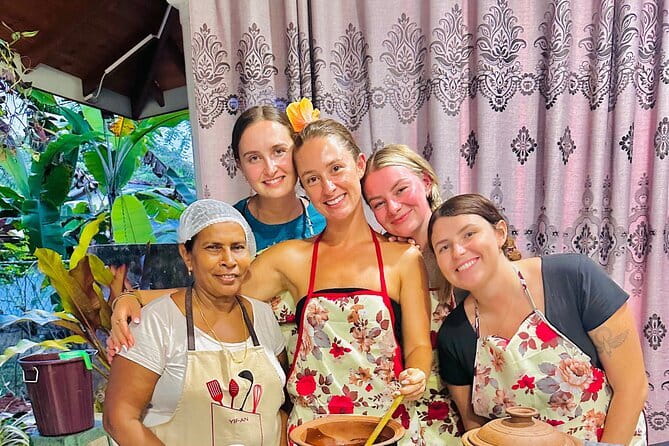
The family-run atmosphere is especially appealing if you prefer personal contact to a polished commercial production. You may cook alongside only one other couple or within a very small group. With a maximum of six people, there is less chance of being lost in the crowd.
There is also a social side. Some sessions have included dancing, laughter, and a cheerful family mood alongside the cooking. That will appeal to you if you want an evening that feels like a shared meal with local hosts, not just a technical lesson.
Choosing Four Sri Lankan Dishes
The menu gives you a good introduction to the range of Sri Lankan home cooking. You can choose four options from the available list, with another vegetable possible if it is on hand that day.
Your choices may include:
- Chicken or fish curry
- Dhal, or lentil curry
- Pumpkin curry
- Green bean curry
- Aubergine fry
- Green leaf salad or stir fry
- Dry mushroom curry
- Potato curry
- Dry okra curry
- Coconut sambol
This is a smart menu for a short class because it lets you compare several cooking styles. A curry may be soft and saucy, while aubergine, okra, or mushrooms may be prepared dry. Dhal gives you a staple Sri Lankan dish, and coconut sambol adds a fresh, sharp side to the plate.
I would choose a mix rather than four similar curries. Pair a lentil curry with one vegetable curry, one dry dish, and coconut sambol if all are available. Add chicken or fish if you want a more filling meal.
The menu also works for people with different tastes. You can focus on vegetarian dishes, or include meat or seafood. Still, you should not assume every dish will be available every day. The ingredient shopping is part of the experience, so the final menu depends on what can be bought locally.
More Sri Lankan cooking classes:
- Galle: Cooking Class at a Local Home and Market Tour
★ 5.0 · 47 reviews - Galle: Traditional Sri Lankan Cooking Class
★ 5.0 · 21 reviews - Traditional Cooking Small-Group Class in Unawatuna
★ 5.0 · 14 reviews - Galle: Sri Lankan Cuisine Cooking Experience
★ 5.0 · 5 reviews
Learning the Rice and Curry Basics
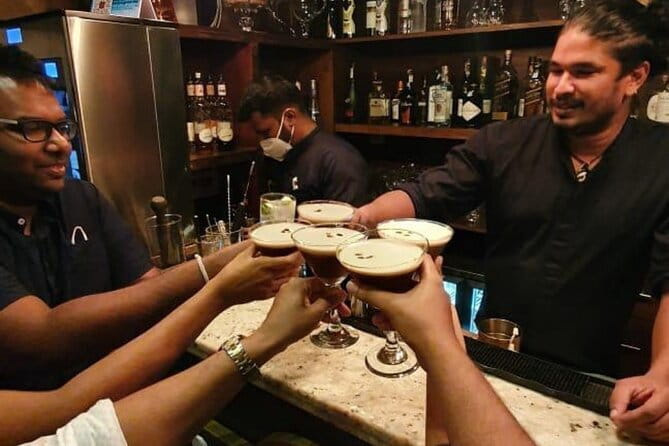
The class promises instruction in making rice and curry, with special attention to preparing rice properly. That may sound simple, but rice is the base of the meal, and getting its texture right makes a big difference.
You are also introduced to the ingredients and their flavors before cooking. This helps connect the shopping trip with the final plate. Rather than treating spices and vegetables as a list of items, you get a chance to see how they fit into everyday Sri Lankan cooking.
The lesson is hands-on but not intimidating. If you are comfortable with basic kitchen tasks, you should be able to take part without feeling tested. The class is suitable for cooks at different levels because the hosts guide you through the process.
Do not expect a professional chef qualification or a detailed technical course. The real value is practical: you spend an afternoon learning a handful of home-style dishes, then eat what you helped prepare. You may not leave with exact measurements for every recipe, but you should gain a better sense of the ingredients, preparation, and balance of a Sri Lankan meal.
Sitting Down to Rice, Curries, and Papadams
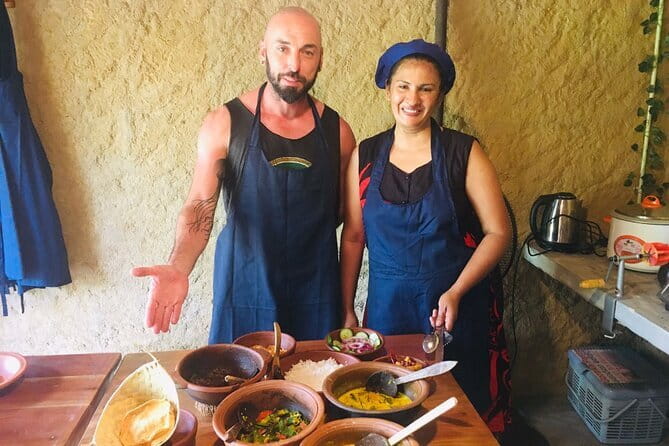
Once the cooking is done, the dishes are served with a generous portion of rice and crispy papadams. This is not a light tasting session. You should arrive ready for a full meal.
The final spread lets you see how the separate dishes work together. Rice carries the sauces, dry curries add texture, and sambol brings another layer of flavor. Papadams provide a crisp contrast to the softer curries.
The meal is also where the class feels most complete. You have chosen the dishes, helped prepare them, and then get to eat the result with the people who hosted you. That personal link is a major reason to choose this class over a restaurant meal alone.
Food quality is naturally tied to the ingredients and the cooking group on the day. Still, the strongest praise for this experience centers on the taste of the curries and the warmth of the hosts. If you have been eating restaurant food throughout your Sri Lanka trip, a home-style meal can offer a welcome change.
Why the Small Group Size Matters
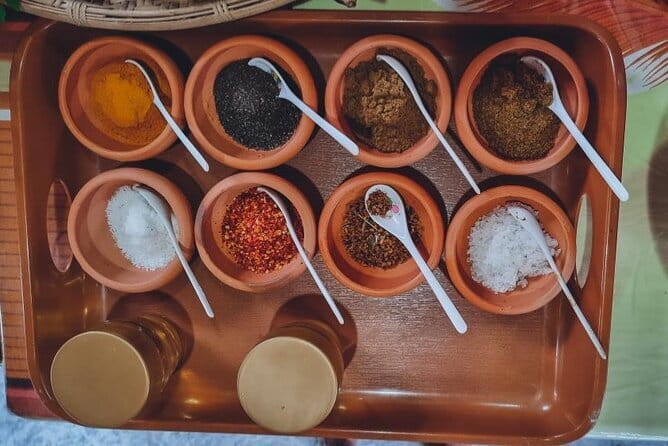
The maximum group size is six people. That is a useful detail, not just a number.
In a large cooking class, you may spend much of the time watching someone else stir the pot. Here, a group of six or fewer gives you a better chance to handle ingredients, ask questions, and follow the preparation closely.
The experience can feel especially personal when only one other couple joins. That smaller setting allows more conversation with Nona, Indra, and Prabodi. It also makes the meal more social without turning it into a loud group event.
The trade-off is that the class has less of a fixed, formal structure. A family kitchen may not run on the exact schedule of a cooking studio. If you need a precise lesson with printed recipes, carefully measured ingredients, and a strict timetable, this may feel loose. If you prefer a relaxed evening and do not mind a little flexibility, that informality is part of the appeal.
Is $30 Good Value?
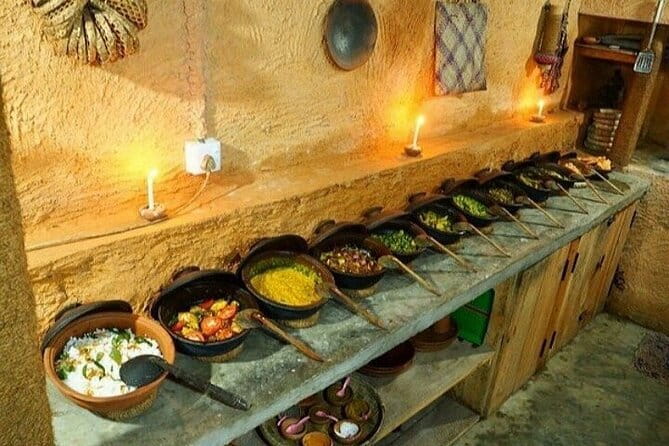
At $30 per person, the price covers about three hours of activity, the ingredient shopping, cooking instruction, and a full meal with rice and papadams. For a small-group class hosted by a local family, that is a fair price.
The value is strongest if you take part fully. You are paying for more than dinner. You get a market-style ingredient outing, an introduction to local produce, practical cooking time, and contact with the hosts. The meal at the end adds a clear benefit because you eat several dishes rather than a single prepared plate.
It is less compelling if you only want to watch. The class is designed around participation, so you should book it because you want to chop, stir, choose dishes, and help with preparation.
A minimum booking of two people affects the price for solo visitors. You cannot reserve alone, even if you are willing to pay for two places. Couples and friends will find the arrangement simple, while solo visitors need a companion or another booking option.
Who Will Enjoy This Most?
I would recommend this experience to you if you enjoy food, local contact, and a relaxed pace. It is a particularly good fit for:
- Couples looking for a shared evening activity
- Friends who enjoy cooking together
- Visitors who want a vegetarian-friendly menu
- Beginners who like hands-on lessons without pressure
- People who prefer small groups to formal classes
- Anyone who wants to understand Sri Lankan curry beyond the restaurant plate
Families may also enjoy it, though the supplied information does not specify children’s ages or special arrangements. You should confirm directly if you plan to bring children.
The class is less suitable if you need a solo booking, a highly structured professional lesson, or a guaranteed menu. It is also not the best choice if you are looking for a quick activity, since the shopping, cooking, and meal take most of an afternoon and evening.
Service animals are allowed, and the meeting point is near public transportation. No other accessibility details are provided, so you should ask before booking if you need specific support.
Cancellation and Planning Advice
Free cancellation is available if you cancel at least 24 hours before the 4:00 pm start time. Cancel later than that and the amount paid is not refunded. Changes made within 24 hours are not accepted, and the cut-off follows local Sri Lankan time.
The best planning tip is simple: keep your booking details and meeting point handy on your phone. The mobile ticket makes that easy, and the restaurant name should help you find the starting point in Mirissa.
Book for an evening when you are free to stay through the meal. Rushing away after the cooking would cut short the most social part of the experience.
FAQ
Where does the cooking class start?
It starts at Indra Restaurant, WFX5+XMF, Mirissa, Sri Lanka.
What time does the experience begin?
The class starts at 4:00 pm local time.
How long does the cooking class last?
The experience lasts approximately three hours.
How many people can join?
The maximum group size is six people.
Can I book if I am traveling alone?
No. The experience requires a minimum booking of two people.
What food can I prepare?
Possible choices include chicken or fish curry, dhal, pumpkin curry, green beans, aubergine, green leaf salad or stir fry, mushrooms, potatoes, okra, and coconut sambol. You choose four options, or another vegetable available that day.
Can I cancel for a full refund?
Yes, if you cancel at least 24 hours before the experience start time. Cancellations made less than 24 hours in advance are not refunded.
Should You Book This Mirissa Cooking Class?
Book it if you want a small, friendly, hands-on food experience rather than a formal cooking school. The best reasons are the family setting, the chance to shop for ingredients, the flexible menu, and the full rice-and-curry meal at the end.
The class is also a strong choice for couples and friends because of the two-person minimum. You should think twice if you are alone, need a guaranteed menu, or prefer a tightly timed lesson with printed recipes.
For $30, the experience gives you a useful taste of Sri Lankan home cooking and a warm evening with local hosts. If your ideal holiday memory includes laughing in a garden kitchen, learning a few curries, and eating what you helped make, this is an easy one to choose.
More Workshops
- Galle: Traditional Gems & Jewellery Workshop with Transfers
★ 4.9 · 539 reviews - Surf lesson in weligama by surf and stay Srilanka .
★ 5.0 · 95 reviews - PRIVATE Surf Lesson for Beginners
★ 5.0 · 80 reviews - Galle : Traditional Jewellery making workshop
★ 4.9 · 34 reviews
Just added around Galle
- From Colombo: Day Trip to Galle City, Koggala and Unawatuna★ 4.2 · 3 reviews
- Stilt-Fishing Experience in Ahangama★ 4.0 · 3 reviews
- Galle Sightseein Rickshaw Tour★ 4.5 · 3 reviews
- Sinharaja Rainforest & Udawalawe Safari – 2 Days, All Inclusive★ 5.0 · 3 reviews
- Fully Private Udawalawe National Park Safari Tour★ 5.0 · 3 reviews
- Galle: All Inclusive City & Fort Guided Cycling tour★ 3.6 · 3 reviews
- Private Half Day Safari Tour to Yala NP From Tangalle and Drop Back★ 4.5 · 3 reviews
- Galle Instagram Tour: Most Famous Spots (Private & All-Inclusive)★ 5.0 · 3 reviews
Cooking Classes, compared.


Organic cooking class sigiriya (kumara & family)
Read our review →


Sri Lankan Cooking Class with Neranji at Homestay
Read our review →

Browse the lists this tour appears in