
Reviewed · COOKING CLASSES
Galle Unawatuna Cooking Class
Come hungry, leave well fed. This three-and-a-half-hour class gives you a practical taste of Sri Lankan cooking, from market ingredients and old-style preparation to a shared meal of curries, rice, seafood, meat, vegetables, and sweets. I especially like the small maximum of 10 people and the chance to cook in a local home rather than a polished restaurant kitchen. The main consideration is that the exact menu may vary, so ask how many dishes you will prepare when you book.
I also like the $30 price, which includes lunch or dinner and makes this more than a quick demonstration. Madhu is praised for her friendly teaching, and the class may include a market visit where you learn about local fruits, vegetables, and spices before cooking. Pickup is offered, but confirm the meeting plan and timing before you go.
In This Review
- Key points at a glance
- Starting with Sri Lankan ingredients in Galle
- Cooking in a private Sri Lankan home
- Six curries, seafood, rice, and more
- What the cooking lesson feels like
- Sharing the finished meal
- The people who make the class work
- Is $30 good value?
- Timing, pickup, and group size
- Who should book this cooking class?
- Should you book the Galle Unawatuna Cooking Class?
- FAQ
- Where does the cooking class take place?
- How long does the experience last?
- How much does the class cost?
- Is pickup available?
- How many people can join?
- What food will I learn to cook?
- Is a meal included?
- Will I visit a market?
- Are service animals allowed?
- Can I cancel for a full refund?
Key points at a glance
- A small group of no more than 10 people makes it easier to follow the cooking and ask questions.
- Six traditional Sri Lankan curries form the core of the session, including one seafood dish.
- A market visit may come first, with an introduction to fruits, vegetables, and spices.
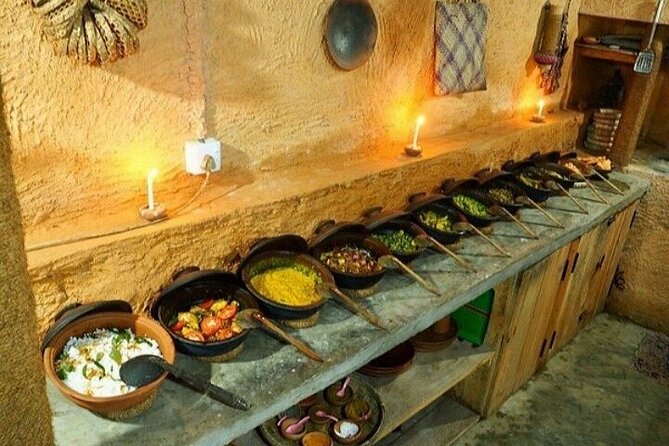
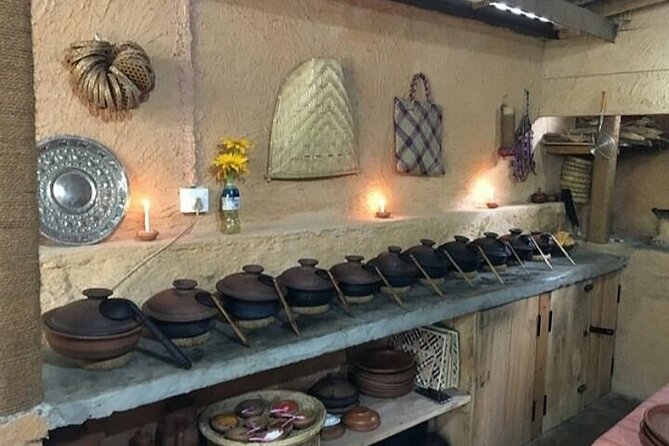
- Cooking takes place in a private home, using an original Sri Lankan kitchen setup.
- Lunch or dinner is included, while breakfast is not.
- Free cancellation is available up to 24 hours before the start time.
Starting with Sri Lankan ingredients in Galle
The class takes place in Galle, with Unawatuna included in its name and pickup offered for some bookings. Since the details do not specify a fixed pickup zone, I would confirm whether collection is available from your accommodation before paying. The area is also near public transportation, which gives you another way to reach the class if pickup does not suit you.
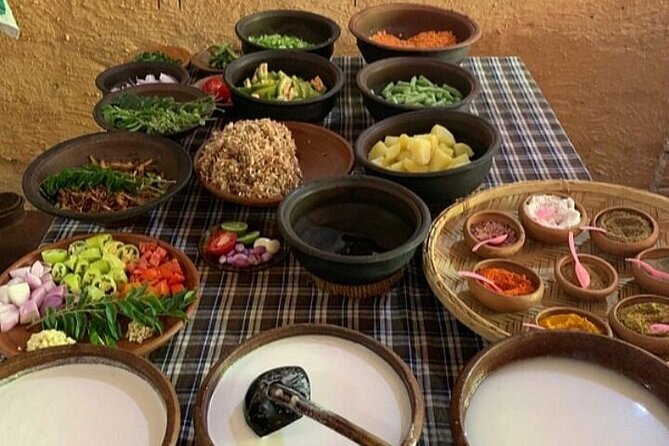
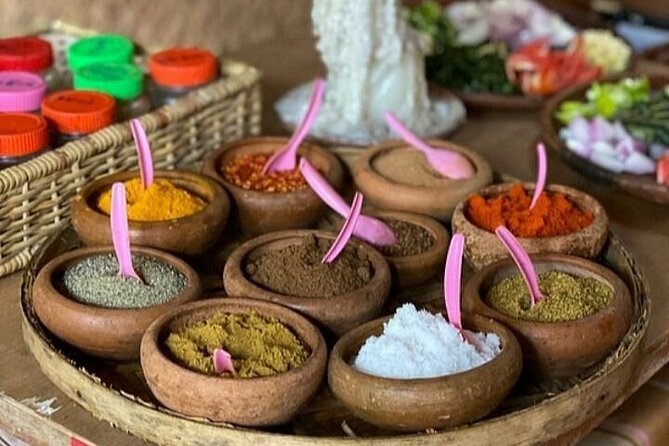
Some sessions begin with a stop at a local market. This is a useful start because Sri Lankan food depends heavily on fresh produce and a wide range of spices. You may be shown different fruits, vegetables, and seasonings before heading to the cooking location. That short introduction helps you understand what appears later in the pot, rather than treating every ingredient as an unknown powder or leaf.
I like this market element because it adds context without turning the experience into a long sightseeing tour. You are not just handed a finished curry. You get a look at the raw materials and learn how local cooks think about them.
The market stop is also the part most likely to vary. It is described in a detailed account of the experience, but the main format focuses on the cooking demonstration and meal. Ask in advance if your session includes the market, especially if you have a tight schedule.
More Cooking Classes in Galle
- Sea waves sri lankan cooking class
★ 5.0 · 467 reviews - Galle Fort cooking class
★ 5.0 · 60 reviews - Galle: Cooking Class at a Local Home and Market Tour
★ 5.0 · 47 reviews
Cooking in a private Sri Lankan home
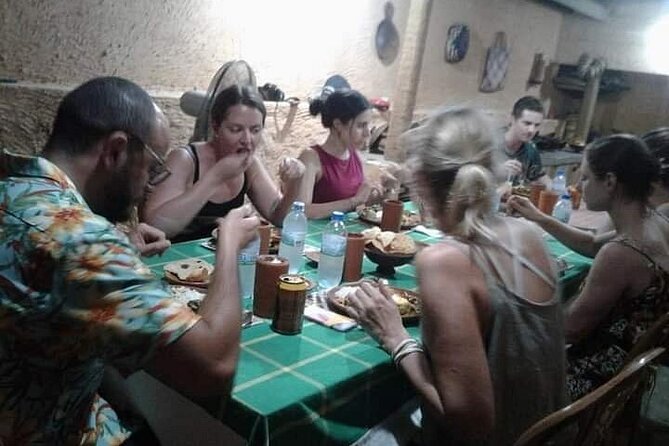
The cooking takes place in a private home, where you may meet members of the host family. That setting gives the class a personal feel that a hotel kitchen cannot easily copy. One session was held at Madhu’s home, with family members present, and the kitchen was described as both beautiful and traditional.
You should expect an old-style approach to cooking rather than a quick modern shortcut. The class is built around traditional methods, with local chefs guiding you through the preparation and cooking. You may take part directly, or you may watch portions of the process while the instructor explains what is happening.
The home setting has practical advantages. You can see how food is prepared in a real household, not just arranged for a cooking school. It also creates a natural chance to ask about ingredients, spice levels, and everyday food habits.
There is a small tradeoff. A private home kitchen may be less formal than a professional culinary studio. If you want exact measurements, printed recipes, or a highly structured lesson, this may feel relaxed rather than classroom-like. If you want a friendly meal and a close look at local cooking, that informality is part of the appeal.
Six curries, seafood, rice, and more
The central promise is a demonstration of six Sri Lankan curries, including one seafood dish. The wider menu can include rice, vegetable curry, fish, meat, spicy sweets, and other popular local foods. A detailed account of one session records 13 dishes, so you may end up preparing more than the core six.
That difference matters. The experience appears to have a set cooking theme, but the final number of dishes can change. Ingredients, group size, and the host’s chosen menu may affect the session. If you want to focus on seafood, vegetarian food, or sweets, ask before the class begins.
The variety is one of the strongest reasons to book. Sri Lankan food is not simply one curry with rice. A meal often depends on several smaller dishes, each with its own balance of spice, richness, salt, and sweetness. Preparing several curries together lets you see how the dishes work as a group.
You may also learn how a seafood dish fits beside vegetable and meat preparations. That is useful because the meal becomes a lesson in balance, not just a list of separate recipes. The rice provides the base, while the different curries create contrast.
The mention of healthy curries is also worth noting. The class presents Sri Lankan food as fresh and traditional, with vegetables playing a major role. Still, you should not assume every dish will be mild or suited to a special diet unless you confirm that ahead of time.
What the cooking lesson feels like
The class is designed for people who want to learn by seeing and doing. Local chefs explain the preparation, then guide you through the cooking. The pace is likely to be steady rather than rushed, since the session runs about three hours and 30 minutes.
That length gives the food time to develop and gives you room to understand the steps. A shorter class might show you one curry and send you on your way. Here, the aim is a full meal with several dishes, which makes the time feel justified.
I would pay close attention to the spice preparation. Sri Lankan cooking often gets its character from how spices are combined and cooked, not merely from adding heat at the end. The class is a good place to ask which ingredients provide flavor, which provide heat, and which add fragrance.
The description also includes spicy sweets. That is a nice change from the usual cooking class menu, where the sweet course is often skipped. If you enjoy trying unfamiliar foods, this part may be one of the more memorable lessons.
Do not expect a professional chef qualification or a formal recipe course. The strength here is cultural and practical: you learn a group of traditional foods, eat what you help prepare, and see how a local family kitchen works.
More Sri Lankan cooking classes:
- Authentic Sri Lankan Cooking Class in Mirissa
★ 5.0 · 22 reviews - Galle: Traditional Sri Lankan Cooking Class
★ 5.0 · 21 reviews - Traditional Cooking Small-Group Class in Unawatuna
★ 5.0 · 14 reviews - Galle: Sri Lankan Cuisine Cooking Experience
★ 5.0 · 5 reviews
Sharing the finished meal
Lunch and dinner are included, while breakfast is not. The meal is not an extra purchase at the end of the class. It is the payoff for the preparation, and the quantity appears generous.
You should plan to arrive with an appetite. The food may include rice, several curries, seafood, vegetables, meat, and sweets. One account describes making so many dishes that there was a great deal to eat. That makes the $30 cost easier to judge, especially in a small group.
The meal also lets you compare the dishes immediately. You can taste the seafood curry with the vegetable dishes, try the rice with different sauces, and decide which combinations work best for you. This is more useful than tasting one prepared plate without seeing how it was made.
The dining portion may be relaxed and family-style. That suits the home setting, though it may not match the timing or presentation of a formal restaurant meal. Give yourself enough time afterward rather than scheduling a rushed transfer.
If you have food allergies, dietary restrictions, or a strong dislike of spice, raise the issue before booking. The supplied details do not promise vegetarian, vegan, gluten-free, or mild menus. The food includes several categories, so clear communication matters.
The people who make the class work
Madhu is praised for being friendly, helpful, and well informed about Sri Lankan food. Her teaching style appears to be a major part of the experience. You are not simply watching a cooking show. You have a host who can explain the food and help you through the preparation.
Meeting the host’s family is another personal touch. It gives the class a sense of place and makes the home kitchen feel lived in, rather than staged. That kind of contact can be especially valuable if your time in Sri Lanka is short and you want more than a restaurant meal.
The small group limit helps here. With no more than 10 people, you have a better chance of seeing the work clearly and asking questions. It is not a private class, so attention will still be shared, but the group is small enough to remain manageable.
The experience has received a five-star average from 142 reviews, with 100 percent recommending it. That is unusually strong feedback. I would still keep expectations sensible: the class is best for food lovers who enjoy a social, hands-on setting, not for someone seeking a silent or highly technical lesson.
Is $30 good value?
At $30, the price is reasonable if you value both the lesson and the meal. You are paying for about three and a half hours, instruction, several dishes, and lunch or dinner. Pickup may also be available, though you should confirm whether it applies to your location.
The value becomes stronger if your session includes a market visit. You get an introduction to local produce, a cooking lesson, and a full meal in one outing. That is a useful combination for a first visit to Sri Lanka.
The price is less compelling if you only want a quick meal or already plan to spend your day eating at local restaurants. A restaurant will be faster and may cost less, but it will not show you how the food is prepared or introduce you to a private home.
I would also remember that the menu can vary. The core format calls for six curries and one seafood dish, while one session included 13 dishes. Ask what is planned so you can judge the value against your own interests.
Timing, pickup, and group size
The experience lasts approximately three hours and 30 minutes. That is long enough to fill a substantial part of your day, so avoid placing it between two fixed appointments unless your transport plan is clear.
Pickup is offered, but the information does not state the exact pickup area or whether every booking includes it. Confirm the details when you reserve. If you are arranging your own route, the class is near public transportation.
A mobile ticket is accepted, and confirmation arrives at the time of booking. Service animals are allowed. These are small details, but they make planning easier when you are moving around Galle and Unawatuna.
The maximum group size is 10. That limit is important for a cooking class because crowded counters and limited workspace can spoil the lesson. Ten is not a private group, but it should allow a more personal session than a large coach-style activity.
Who should book this cooking class?
I would recommend it to you if food is one of the main reasons you visit Sri Lanka. It suits curious eaters, couples, families, and small groups who want to learn as well as eat.
It is also a good choice if you prefer local contact over a polished tourist setup. The private-home setting, family connection, market visit, and traditional methods give the class a clear local character.
You may want to skip it if you have very limited time, need a guaranteed dietary menu, or want a short demonstration with no meal. The duration is substantial, and the food appears to be the center of the outing.
For most people who enjoy curry, seafood, fresh produce, and shared meals, the class offers a strong mix of instruction and hospitality. The best practical step is to confirm the pickup point, menu, spice level, and whether the market visit is part of your date.
Should you book the Galle Unawatuna Cooking Class?
Yes, if you want a generous meal with a real lesson attached. The small group, private-home kitchen, traditional cooking methods, and chance to prepare several curries make this more than a standard food demonstration.
Book it with two questions in mind: What dishes will we cook, and is the market visit included? If the answer fits your interests, $30 is a fair price for the time, food, and local contact.
The cancellation terms are simple: cancel at least 24 hours before the local start time for a full refund. Within 24 hours, you receive no refund, and changes are not accepted.
FAQ
Where does the cooking class take place?
The experience takes place in Galle, Sri Lanka, with Unawatuna included in its name.
How long does the experience last?
It lasts approximately three hours and 30 minutes.
How much does the class cost?
The listed price is $30.
Is pickup available?
Pickup is offered. Confirm the pickup area and meeting details when booking.
How many people can join?
The group can include a maximum of 10 people.
What food will I learn to cook?
The class focuses on six traditional Sri Lankan curries, including one seafood dish. It may also include rice, vegetables, fish, meat, spicy sweets, and other popular foods.
Is a meal included?
Yes. Lunch and dinner are included. Breakfast is not included.
Will I visit a market?
A market visit may be included, with an introduction to local fruits, vegetables, and spices. Confirm whether it is part of your specific session.
Are service animals allowed?
Yes, service animals are allowed.
Can I cancel for a full refund?
Yes. You must cancel at least 24 hours before the experience start time for a full refund. Cancellations within 24 hours are not refunded.
More Workshops
- Galle: Traditional Gems & Jewellery Workshop with Transfers
★ 4.9 · 539 reviews - Surf lesson in weligama by surf and stay Srilanka .
★ 5.0 · 95 reviews - PRIVATE Surf Lesson for Beginners
★ 5.0 · 80 reviews - Galle : Traditional Jewellery making workshop
★ 4.9 · 34 reviews
Just added around Galle
- From Colombo: Day Trip to Galle City, Koggala and Unawatuna★ 4.2 · 3 reviews
- Stilt-Fishing Experience in Ahangama★ 4.0 · 3 reviews
- Galle Sightseein Rickshaw Tour★ 4.5 · 3 reviews
- Sinharaja Rainforest & Udawalawe Safari – 2 Days, All Inclusive★ 5.0 · 3 reviews
- Fully Private Udawalawe National Park Safari Tour★ 5.0 · 3 reviews
- Galle: All Inclusive City & Fort Guided Cycling tour★ 3.6 · 3 reviews
- Private Half Day Safari Tour to Yala NP From Tangalle and Drop Back★ 4.5 · 3 reviews
- Galle Instagram Tour: Most Famous Spots (Private & All-Inclusive)★ 5.0 · 3 reviews
Cooking Classes, compared.


Organic cooking class sigiriya (kumara & family)
Read our review →


Sri Lankan Cooking Class with Neranji at Homestay
Read our review →

Browse the lists this tour appears in