
Reviewed · COOKING CLASSES
Kandyan Hut Cooking Class
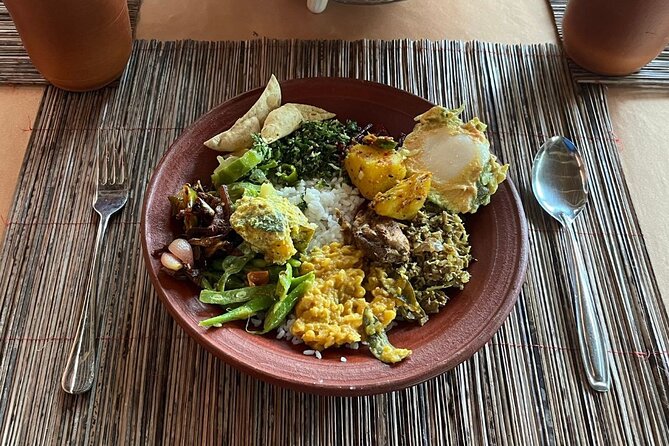
Sri Lankan cooking rewards curious appetites. This small, private class in Kandy gives you hands-on practice with egg hoppers, kottu roti, coconut sambol, dhal curry, and coconut-based curries, all prepared with local ingredients and traditional methods. I like the personal setting, where your group cooks together rather than watching a distant demonstration. I also like the chance to add a local market visit, which connects the finished dishes with the produce and spices used to make them.
The main consideration is simple: the class lasts about two and a half hours, so the optional market visit may make the schedule feel full. It is also based at one meeting point on Peradeniya Road, with no hotel pickup stated. Still, at $22 per person, the combination of instruction, food, recipes, tea, and local contact offers strong value.
In This Review
- Key points to know before booking
- Why this Kandy cooking class is worth your time
- Starting with spices and fresh ingredients
- Cooking inside the Kandyan Hut kitchen
- The stories behind coconut, curry, and rice
- Sitting down to eat what you made
- The people guiding the class
- What $22 buys you in Kandy
- Timing, meeting point, and cancellation details
- Who should book this cooking class?
- Should you book Kandyan Hut Cooking Class?
- FAQ
- Where does the Kandyan Hut Cooking Class take place?
- How long does the cooking class last?
- Does the activity end at the same location?
- Is a market visit included?
- Is this a private activity?
- What dishes can you learn to prepare?
- Can you cancel for a full refund?
Key points to know before booking
- Egg hoppers and Sri Lankan curries: Learn classic dishes that show off coconut, spices, rice, and fresh produce.
- Optional market visit: Shop for seasonal vegetables with your host and hear about their place in local cooking.
- Private group format: Only your group takes part, making it easier to ask questions and work at a comfortable pace.
- Traditional-style kitchen: The cooking takes place in a home-style setting rather than a formal restaurant kitchen.
- Tea and local sweets: The meal includes small tastes beyond the main dishes, giving the class a wider look at Sri Lankan food.
- Personal guidance: Anu, Upul, Asha, and other family members have been praised for their patience and friendly approach.
Why this Kandy cooking class is worth your time
Food classes can be either useful or decorative. The good ones send you home with methods you can repeat, not just a plate of food you enjoyed once. Kandyan Hut Cooking Class appears built around that useful middle ground: you handle ingredients, follow cooking steps, eat the result, and receive recipes for your own kitchen.
The focus is on familiar Sri Lankan staples. Egg hoppers are especially appealing because they are both distinctive and approachable. The bowl-shaped rice-flour crepe has crisp edges and a soft center, with an egg cooked inside. It is the kind of dish that tells you something about Sri Lankan breakfast and street food without requiring a long lecture.
You also work with coconut sambol, dhal curry, and rice and curry combinations. These dishes help you understand how a Sri Lankan meal is assembled. Instead of treating curry as one single sauce, the class presents a table of different textures and flavors: creamy dhal, fresh coconut, fragrant rice, and seasoned vegetables or other ingredients.
Kottu roti adds a more theatrical element. It is made by chopping and mixing roti with other ingredients on a hot surface. The information provided does not promise a specific version of every dish at every session, so you should confirm the exact menu if you have strong dietary needs or want to learn one particular recipe. Still, the advertised range gives the class a good spread of Sri Lankan cooking techniques.
More Cooking Classes in Kandy
- Sri Lanka Cooking Class with Granny
★ 5.0 · 587 reviews - Kandy Village Cooking Class
★ 5.0 · 536 reviews - Private Traditional Sri Lankan Cooking Class in Kandy with Hotel Transfers
★ 5.0 · 115 reviews
Starting with spices and fresh ingredients
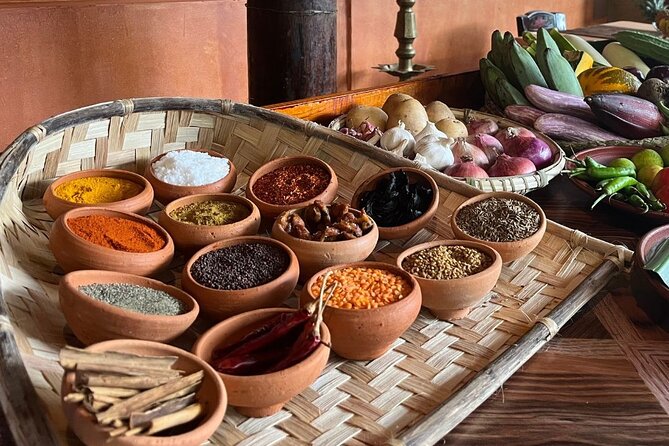
The session begins with an introduction to the spices and ingredients that shape Sri Lankan food. This matters because the cooking is not simply about adding heat. The balance of coconut, aromatics, spice, rice, lentils, and fresh produce gives the food its character.
You can expect the class to explain how ingredients are used, not just place them in front of you. The experience description also points to locally sourced produce, which gives the cooking a direct connection to Kandy and its food culture. That is more useful than a generic class using ingredients shipped from somewhere else.
If you select the market visit option, you go with your host to a local market before returning to the kitchen. You handpick seasonal produce and learn about its cultural importance. This extra part should appeal to anyone who likes seeing food before it becomes a finished dish.
The market visit may also help you recognize ingredients later in your trip. Sri Lankan markets can be full of unfamiliar vegetables, fruit, spices, and herbs. Even a short explanation can make a future market stop less confusing. Since the market visit is an option rather than a stated requirement, check the booking details to see which version you are selecting.
Cooking inside the Kandyan Hut kitchen
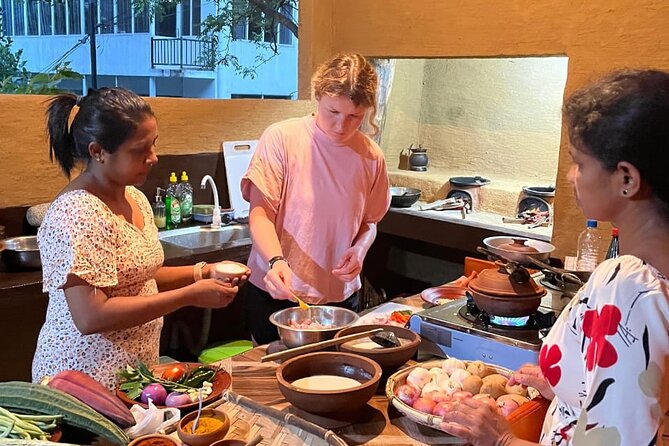
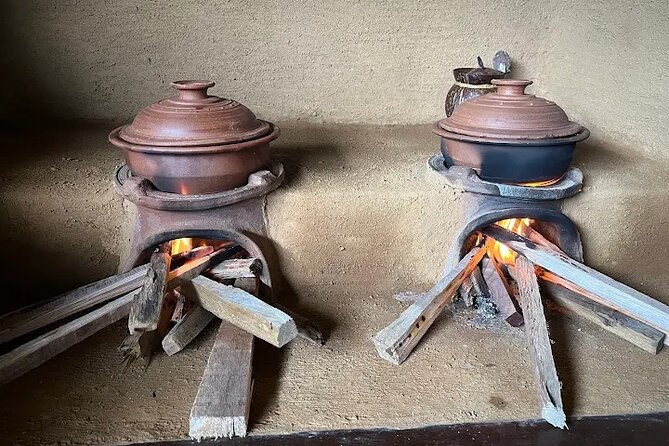
Back at the class location, you enter a traditional-style kitchen and cook under the direction of local chefs. The setting is described as friendly and home-style, which suits the food. Sri Lankan dishes are closely tied to family cooking, shared meals, and repeated kitchen habits, so a relaxed setting makes sense.
The class is private to your group. That is a real advantage if you want to ask questions, take your time, or cook with children and relatives. It also means you are not joining a large public demonstration where the instructor has to divide attention among many people.
The tradeoff is that a private class can feel less social than a larger group lesson. If meeting other food lovers is part of your goal, this experience may not provide that. Its strength is personal attention rather than a busy classroom atmosphere.
You should expect step-by-step help. The dishes listed include coconut sambol, dhal curry, egg hoppers, and rice and curry combinations, while kottu roti is also featured among the class highlights. The precise order and final menu may depend on the class arrangement and available produce.
The stories behind coconut, curry, and rice
A good cooking lesson explains why a dish matters. Here, the class includes stories about the history and traditions connected with the recipes. That gives you more than a list of measurements.
Coconut is a useful example. It appears in sambol, curries, and other parts of Sri Lankan cooking, but each use produces a different result. In a sambol, it can offer freshness and texture. In a curry, it can soften spices and create a smooth, rounded sauce. Seeing those roles during one meal helps you understand the cuisine as a whole.
Dhal curry also makes the class practical. Lentils are inexpensive, filling, and common in home cooking. Learning how a simple dhal becomes a seasoned part of a larger rice and curry meal gives you a recipe you are more likely to repeat at home.
The same is true of rice and curry combinations. You are not only making one centerpiece dish. You are learning how several modest preparations work together on a plate. That is a key lesson in Sri Lankan food, where contrast matters as much as any one curry.
More Sri Lankan cooking classes:
- Cooking With Village Family
★ 5.0 · 104 reviews - Kandy Cooking Class with Granny
★ 4.9 · 95 reviews - Private Kandy Authentic Cooking Class
★ 5.0 · 65 reviews - Srilankan Cooking class by FFL kandy
★ 5.0 · 50 reviews
Sitting down to eat what you made
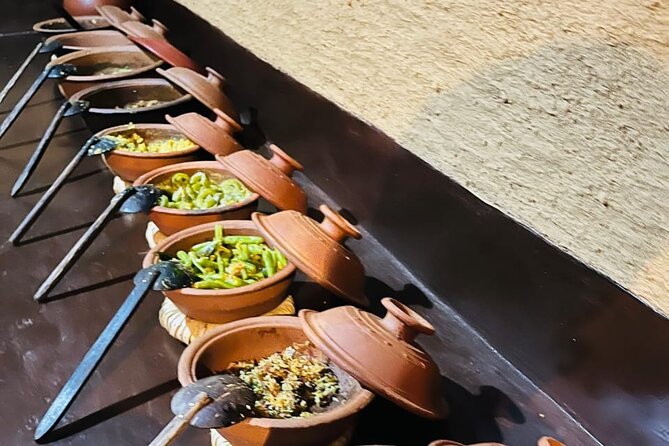
After the cooking, you sit down and share the meal in the same friendly setting. This is not an afterthought. Eating the dishes immediately helps you connect the preparation with the final flavor, texture, and balance.
You will also sample traditional tea and local sweets. Those additions broaden the experience beyond savory cooking and give you a taste of how food fits into different parts of the day. The sweets are not described in detail, so do not book expecting a particular item.
The meal should be especially satisfying for families and small groups. One family described the class as hands-on and enjoyable for everyone, while another account praised the food after preparing several curries. That suggests the class works best when you want to take part, not simply watch someone else cook.
The cooking process may also make the meal more memorable. Food tastes different when you have chopped, stirred, shaped, or seasoned it yourself. You leave with a better sense of what the dish requires and why the flavors work together.
The people guiding the class
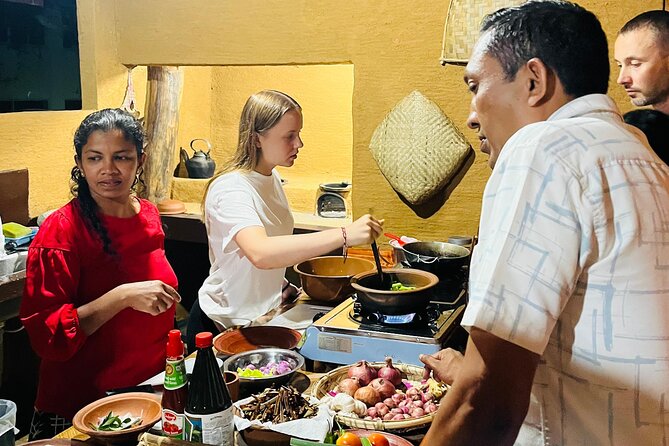
The strongest praise centers on the hosts. Anu and her sister-in-law have been described as patient, kind, and friendly. Those qualities matter in a cooking class, especially when you are handling unfamiliar ingredients or trying a technique for the first time.
Other feedback names Upul and Asha, with particular appreciation for the work of the owner and his family. A Russian tour guide who attended with a group also described the class as excellent, with several curries prepared and enjoyed.
You should read these names as useful points of contact, not a guarantee that every session will follow exactly the same format. Staff availability can change, and the experience may involve several people from the cooking team. Still, the repeated emphasis on personal care is a good sign for anyone who values patient instruction.
The class may suit first-time cooks as well as people already comfortable in the kitchen. Since the format is interactive, you will get more from it if you are willing to chop, mix, shape, and taste rather than stand back.
What $22 buys you in Kandy
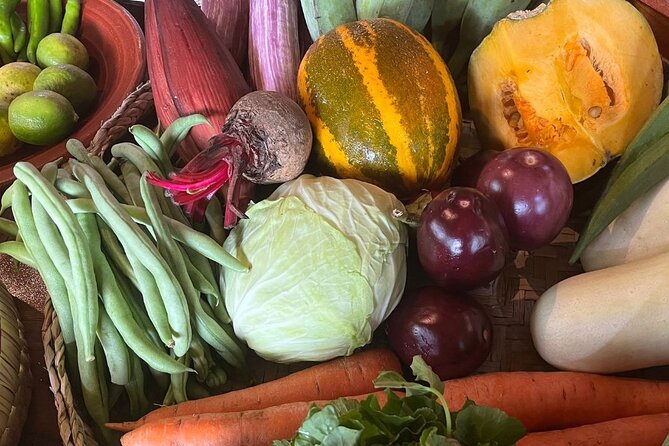
At $22 per person, the class is priced well for a two-and-a-half-hour private activity that includes food and instruction. You are paying for a meal, but also for guided practice, local context, tea, sweets, and recipes to take home.
The value is strongest if you will actually use the recipes later. A restaurant meal might cost less in some parts of Kandy, but it would not teach you how to make egg hoppers or dhal curry. A more expensive cooking class might offer extra transport or a longer market program, but this experience keeps the focus on the food itself.
The private format also changes the value calculation. You are not paying $22 for a seat in a crowded lecture. Your group receives the full activity, and you can ask questions that fit your own interests. For a couple, family, or group of friends, that can make the price feel particularly fair.
The main limit is the lack of stated transport service. You need to reach Kandyan Hut Cooking Class at No. 662/3A Peradeniya Road, Kandy 20000. The location is near public transportation, but the booking details do not include hotel pickup.
Timing, meeting point, and cancellation details
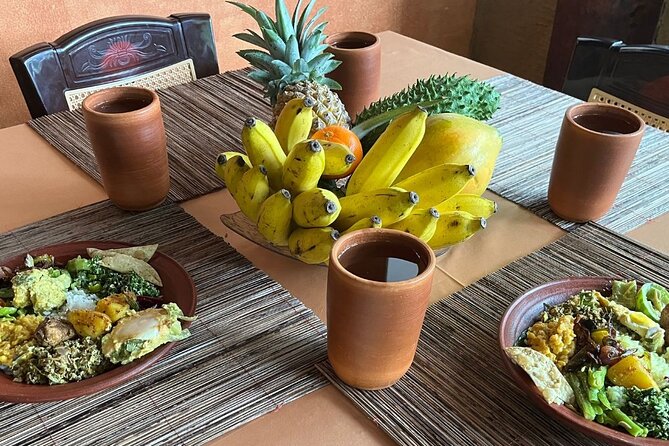
The class starts and ends at the Kandyan Hut Cooking Class location. Its listed operating hours are 9:00 AM to 10:00 PM daily for the period from July 18, 2025, through November 26, 2026. Since the actual class duration is about two and a half hours, confirm your chosen start time when booking.
Mobile tickets make entry simple. Booking confirmation is provided at the time of purchase, and the activity is private for your group. These details are useful if you are fitting the class around sightseeing in Kandy.
You can cancel for a full refund if you do so at least 24 hours before the start time. Cancellations or changes made within 24 hours are not accepted for a refund. The cut-off follows local time, so check the clock in Sri Lanka when making changes.
Who should book this cooking class?
I would recommend Kandyan Hut Cooking Class to you if food is one of the best ways you learn about a place. It is also a good fit for families, couples, small groups, and curious first-time cooks who want direct guidance.
You will likely enjoy it most if you want to participate. The class is not designed as a passive food tasting. You should expect to work with ingredients, follow instructions, and eat a meal built by your group.
It is less suitable if you want a polished restaurant-style demonstration, hotel transportation, or a guaranteed dish-by-dish menu. The market visit is optional, and the exact selection of produce may depend on the session. Ask ahead if you need a particular menu or have food restrictions.
Should you book Kandyan Hut Cooking Class?
Yes, if you want a fairly priced, personal introduction to Sri Lankan home cooking in Kandy. The combination of hands-on work, local ingredients, optional market shopping, family-style instruction, and recipes to take home gives the class real substance.
The best reason to book is not simply the final meal. It is the chance to understand how coconut, dhal, rice, spices, and fresh produce fit together. Anu, Upul, Asha, and the wider cooking team are repeatedly praised for friendly, patient help, which is exactly what you want when learning unfamiliar dishes.
Book with enough time to reach Peradeniya Road, and allow the full two and a half hours. If you choose the market option, keep your schedule flexible. For $22, this is one of the more useful ways to turn a meal in Kandy into a skill you can carry home.
FAQ
Where does the Kandyan Hut Cooking Class take place?
The class begins at Kandyan Hut Cooking Class, No. 662/3A Peradeniya Road, Kandy 20000, Sri Lanka.
How long does the cooking class last?
The experience lasts approximately two hours and 30 minutes.
Does the activity end at the same location?
Yes. The activity ends back at the meeting point on Peradeniya Road.
Is a market visit included?
A local market visit is available as an option. If selected, you explore the market with your host and choose seasonal produce before returning to the kitchen.
Is this a private activity?
Yes. Only your group participates in the activity.
What dishes can you learn to prepare?
The class features dishes such as egg hoppers, kottu roti, coconut sambol, dhal curry, and rice and curry combinations. Coconut-based curries are also part of the experience.
Can you cancel for a full refund?
Yes. You can receive a full refund if you cancel at least 24 hours before the experience start time. Cancellations or changes made less than 24 hours before the start time are not refunded or accepted.
More Workshops
- Kandy: Interactive Batik Workshop
★ 5.0 · 51 reviews - Sri Lankan cooking class with Nilu Kandy( FREE PICKUP & Drop)
★ 5.0 · 45 reviews - Authentic Sri Lankan Cooking Class in Kandy with Local Family
★ 5.0 · 44 reviews - Authentic Sri Lankan Cooking Class in Kandy by Local Family
★ 4.9 · 15 reviews
Just added around Kandy
- Evening Tour at the Last Kingdom of Sri Lanka, Kandy★ 5.0 · 3 reviews
- Tour to Dambulla Cave, Sigiriya and Pidurangala Rock from Kandy★ 5.0 · 3 reviews
- Day Tour Kandy to Sigiriya with Dambulla Cave Temple Excursion★ 5.0 · 3 reviews
- Private Day tour from Kandy to Sigiriya, Dambulla & Pidurangala★ 5.0 · 3 reviews
- Kandy To Dambulla and Sigiria City Full Day by Laka Tours★ 5.0 · 3 reviews
- Full Day Tuk Tuk Tour – Explore Kandy with Local Expert★ 4.1 · 3 reviews
- Kandy to Ella★ 5.0 · 3 reviews
- From Kandy: Wilpattu National Park Safari with Hotel Pickup★ 5.0 · 3 reviews
Cooking Classes, compared.


Organic cooking class sigiriya (kumara & family)
Read our review →


Sri Lankan Cooking Class with Neranji at Homestay
Read our review →

Browse the lists this tour appears in